
Materials
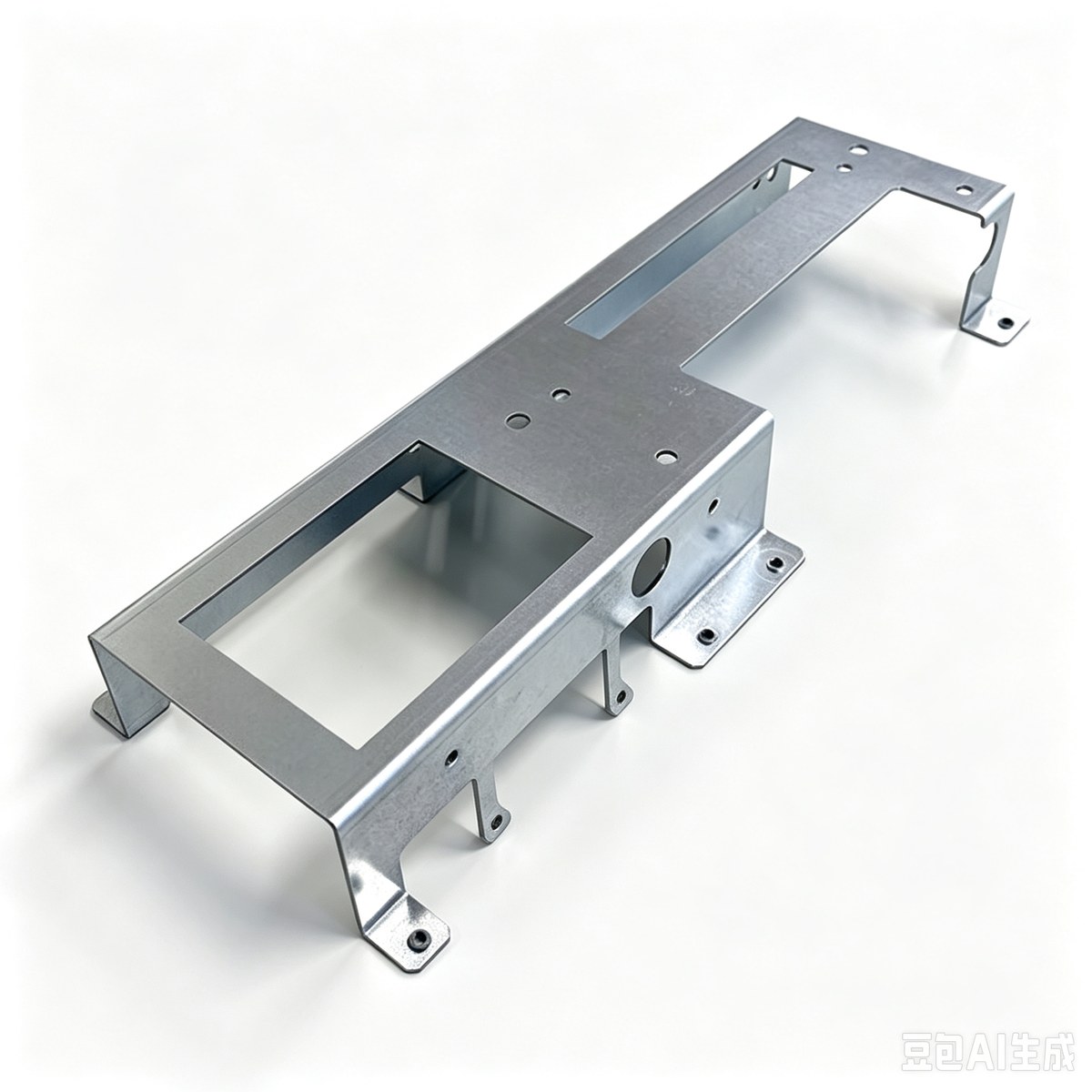
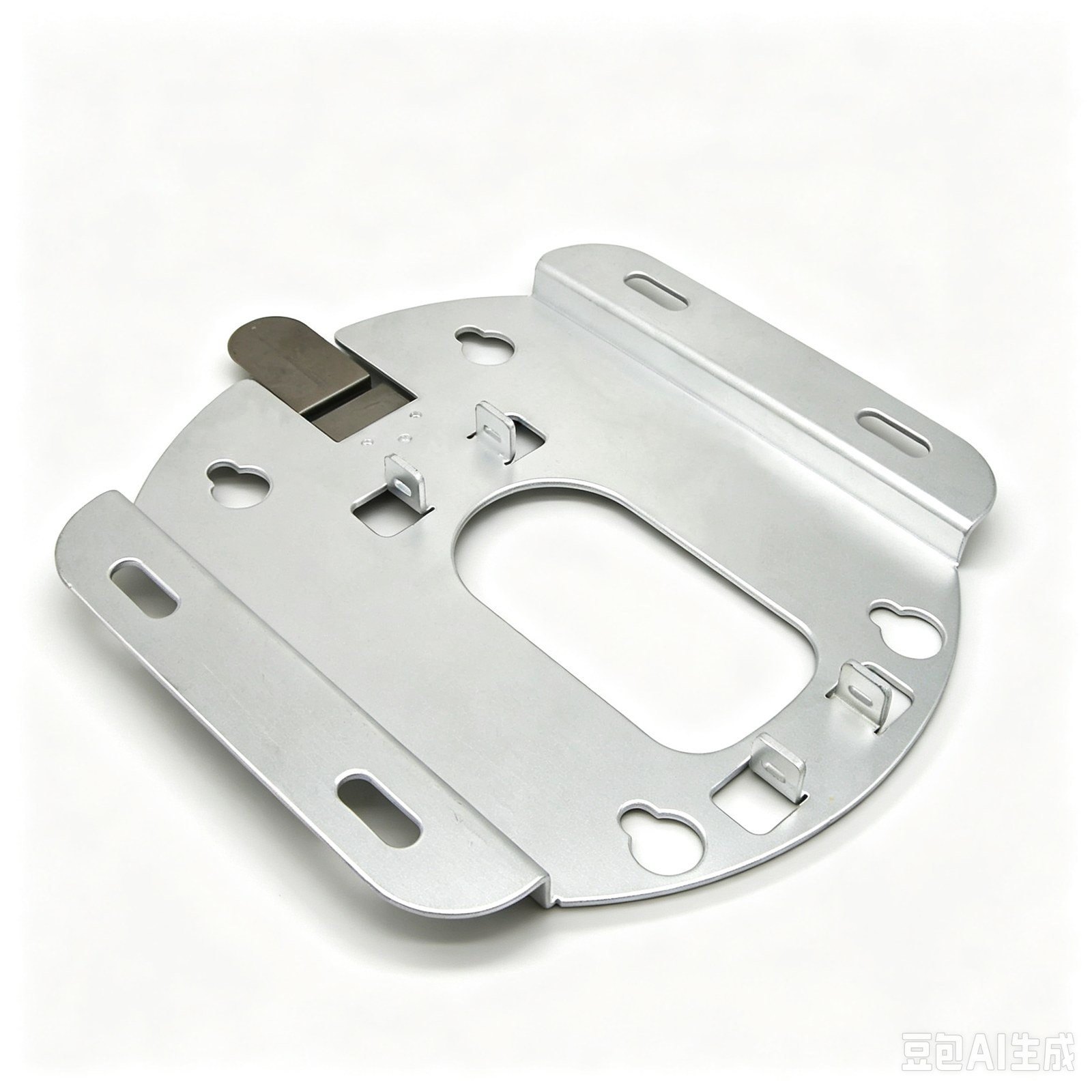
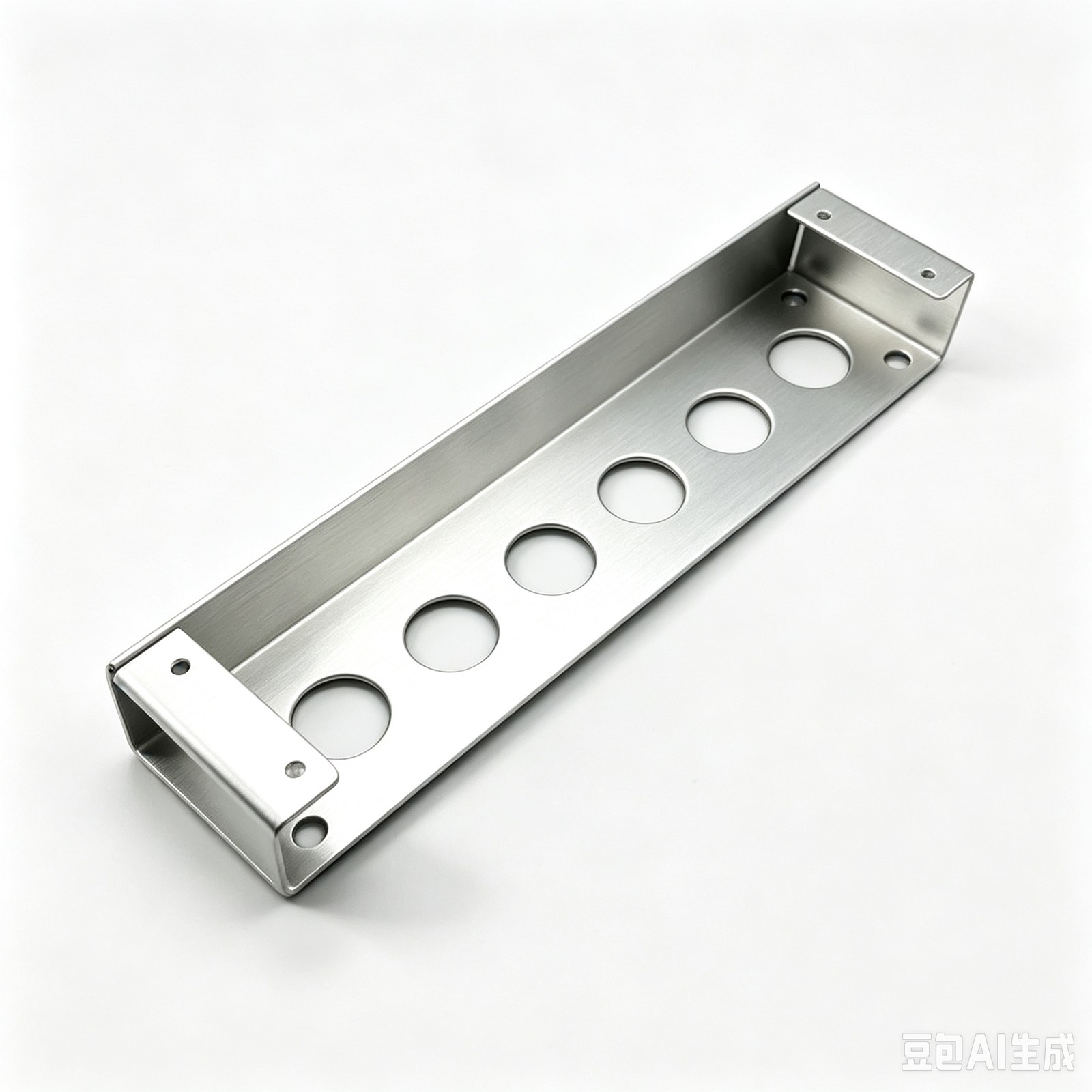
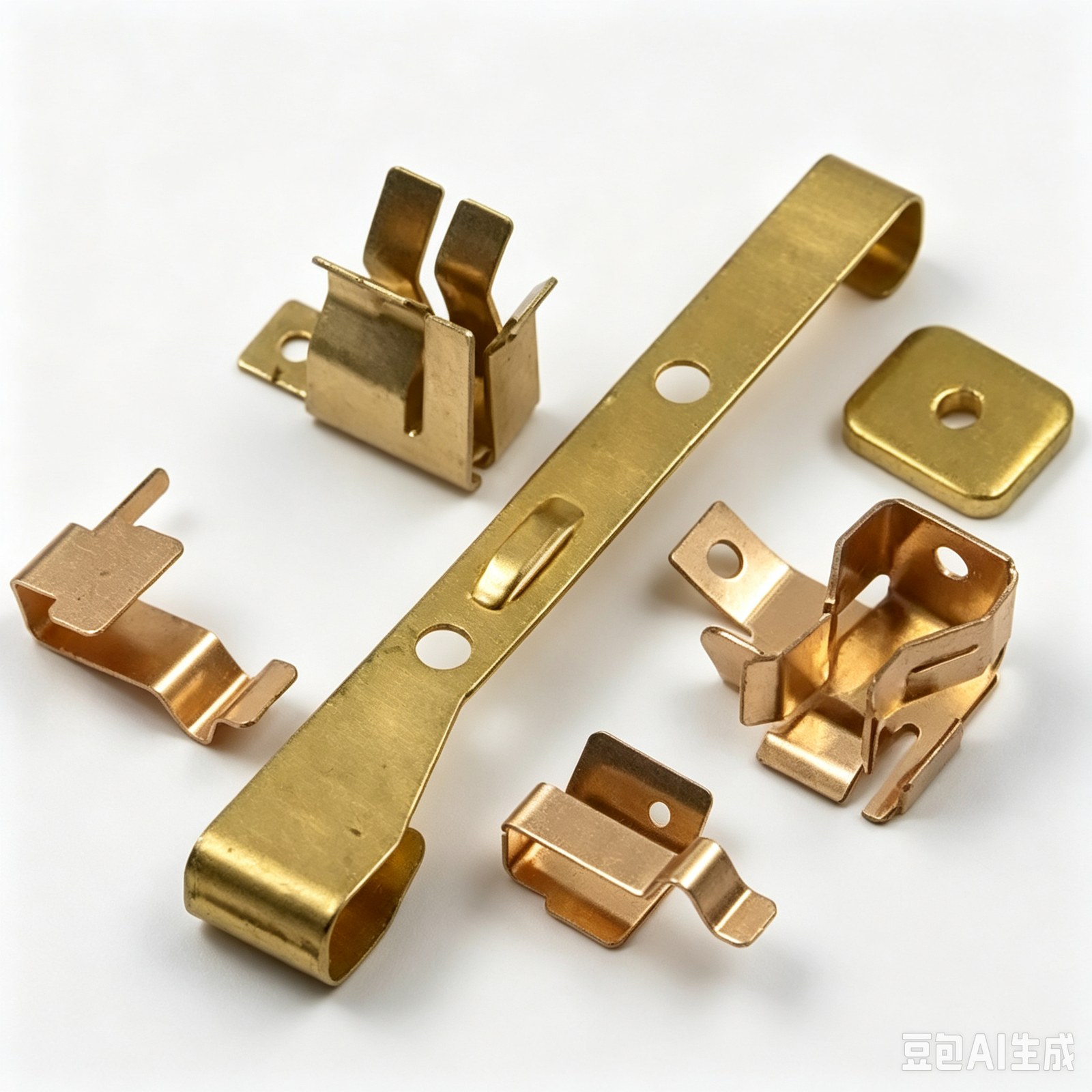
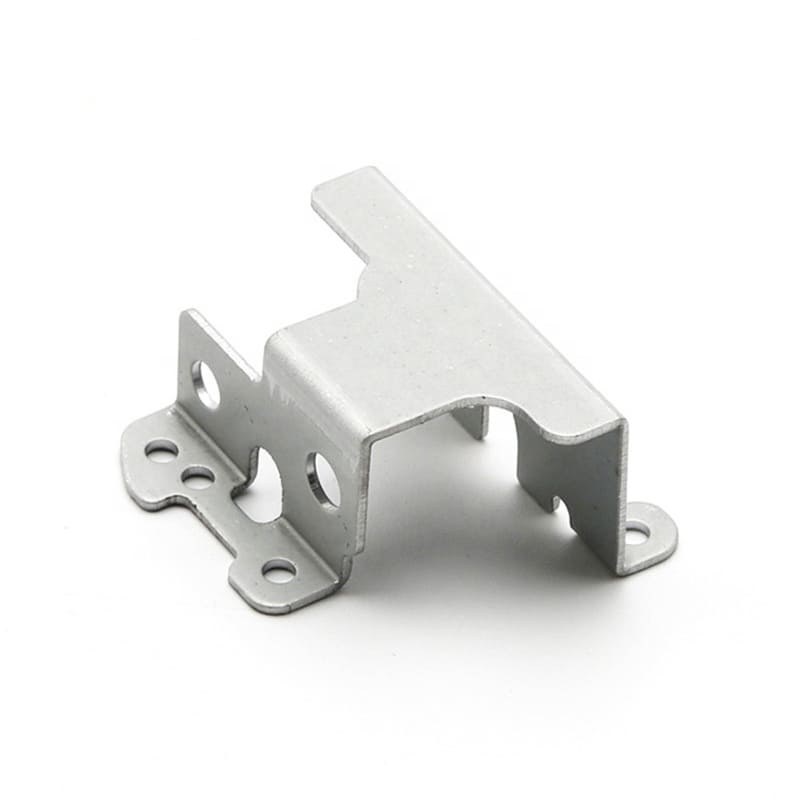
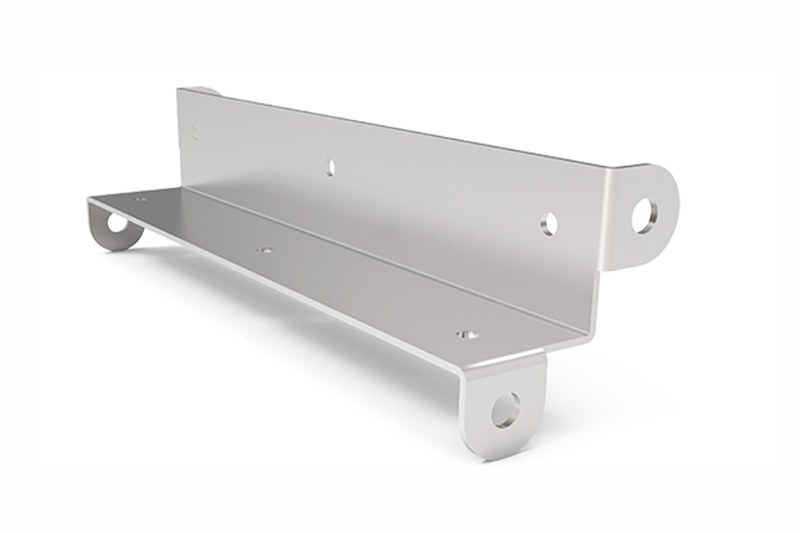
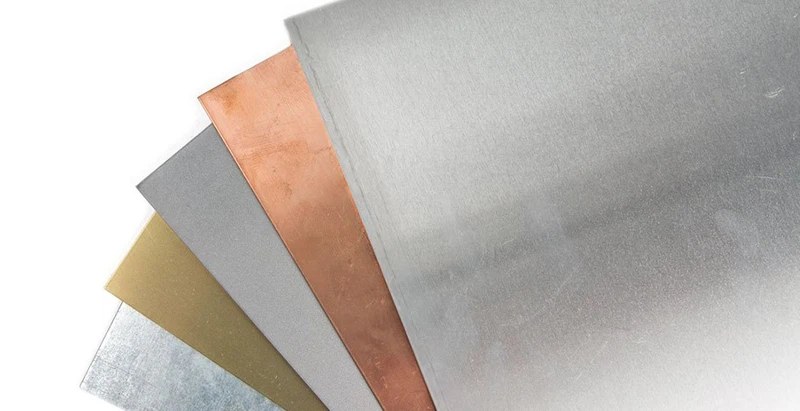
Sheet Metal Fabrication Materials — Stainless, Aluminum, Galvanized Steel
“Comprehensive sheet metal alloys for prototypes and production runs — SPCC cold rolled steel, galvanized SGCC, stainless 304/316, aluminum 5052/6061, copper, and brass. Selected for formability, weldability, and corrosion resistance.”
”
Sheet Metal Fabrication Materials for Custom Parts
From low-weight aluminum to rugged stainless steel, Hetop provides a comprehensive selection of sheet metal alloys tailored to diverse industrial requirements. From your first prototype to large-scale manufacturing runs, our engineering team partners with you to determine the best material and finishing techniques for your fabrication project.
Sheet Metal Material Selection
| Material | Common Grades | Typical Thickness Range | Bendability & Formability | Typical Applications |
|---|---|---|---|---|
| Cold Rolled Steel (SPCC) | SPCC, 1018 | 0.5–6.0 mm | Excellent formability, requires surface treatment to prevent rust | Indoor enclosures, brackets, computer chassis |
| Galvanized Steel | SGCC, SECC | 0.8–3.0 mm | Good formability, built-in corrosion resistance | Outdoor electrical boxes, HVAC components |
| Stainless Steel | 304, 316, 430 | 0.3–5.0 mm | Moderate bendability (requires larger bend radii), superior corrosion resistance | Food-grade enclosures, medical cabinets, chemical tanks |
| Aluminum 5052-H32 | 5052 | 0.3–5.0 mm | Excellent (best for bending), good weldability, lightweight | Aerospace panels, lightweight electronic enclosures |
| Aluminum 6061-T6 | 6061 | 0.3–5.0 mm | Poor (prone to cracking during tight bends), high strength | Structural brackets (requires larger inner bend radius) |
| Copper / Brass | C110, C260 | 0.3–3.0 mm | Excellent formability, superior electrical and thermal conductivity | Busbars, heat sinks, electrical shielding |
How to Choose a Sheet Metal Material
- Corrosion environment — outdoor, marine, or chemical exposure favors stainless steel (304/316) or galvanized steel.
- Forming complexity — 5052 aluminum and SPCC cold rolled steel offer the best bendability without cracking.
- Welding plan — heavy welding suits SPCC; spot welding suits galvanized; aluminum often benefits from TIG.
- Weight target — aluminum 5052/6061 offers the best strength-to-weight ratio.
- Finish plan — powder coating adheres well to SPCC; anodizing is reserved for aluminum.
FAQ
Should I use Galvanized Steel or Stainless Steel for outdoor applications?
Stainless Steel (such as 304 or 316) provides superior, inherent long-term corrosion resistance, making it best for harsh or marine environments. Galvanized steel is a more cost-effective alternative that relies on a zinc coating for weather resistance, suitable for standard outdoor enclosures.
Can you weld galvanized steel (SGCC/SECC)?
Yes, but it requires specific safety precautions and techniques because the zinc coating vaporizes during welding. We typically recommend spot welding for galvanized sheet metal, or using cold-rolled steel (SPCC) for heavy welding followed by post-weld plating or powder coating.
What is the best sheet metal material for bending without cracking?
Aluminum 5052 and Cold Rolled Steel (SPCC) are highly ductile and offer excellent bendability. We recommend avoiding harder tempers like Aluminum 6061-T6 for tight bends, as it is prone to cracking unless a significantly larger bend radius is applied.
Galvanized vs. Cold Rolled Steel: How to choose?
Use Galvanized Steel (SGCC) for built-in rust resistance. Use Cold Rolled Steel (SPCC) if you plan to powder coat or paint the final part.
“
Frequently Asked Questions
We specialize in multi-axis CNC machining (3-axis, 4-axis, 5-axis) and can achieve standard tolerances of ±0.02mm (±0.001″), with tighter tolerances available upon request. We work with a wide range of metals and engineering plastics.
We accept STEP, IGES, X_T, SLDPRT, and DWG/DXF files. 2D drawings with critical dimensions and tolerances are highly recommended alongside 3D files for accurate and efficient quotation.
Lead time depends on part complexity and order quantity. Standard prototypes can be delivered in 5-10 business days. For production runs, typical lead time is 2-4 weeks. Rush services are available for urgent projects.
Yes. We offer a full suite of post-processing services including anodizing, powder coating, plating, polishing, sandblasting, heat treatment, and assembly. We can deliver parts ready for final use.
We implement strict quality control at every stage: from material certification, in-process inspections (IPQC) to final quality checks using tools like CMM, calipers, and micrometers. First Article Inspection (FAI) reports and material certifications are provided with shipments.
Client IP protection is our top priority. We are willing to sign Non-Disclosure Agreements (NDAs) and have secure data management systems in place. Your drawings and designs will never be shared with third parties.
Reliable CNC Machining Solutions
We focus on delivering high-quality CNC machined parts with efficient production to meet your exact requirements.