
Materials
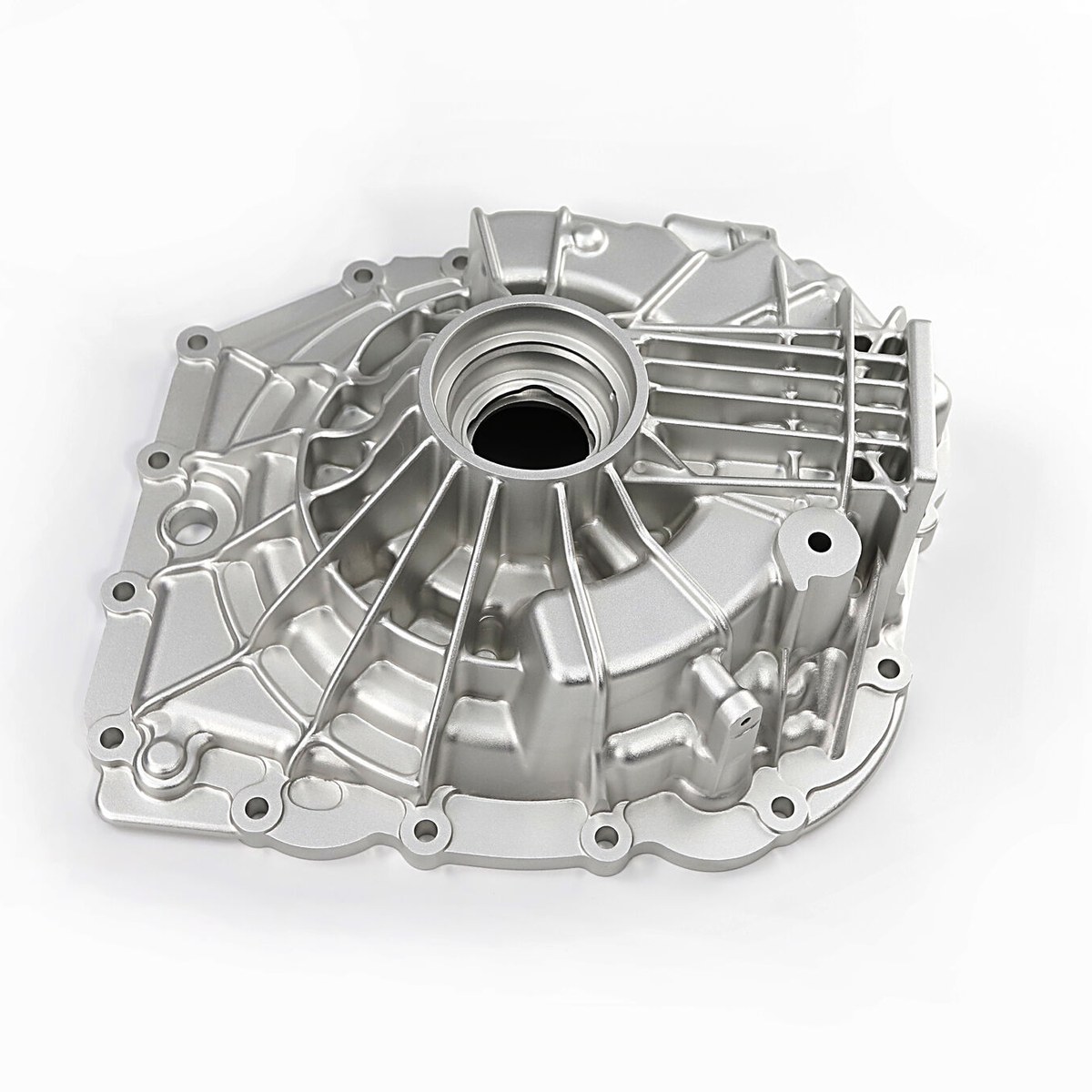
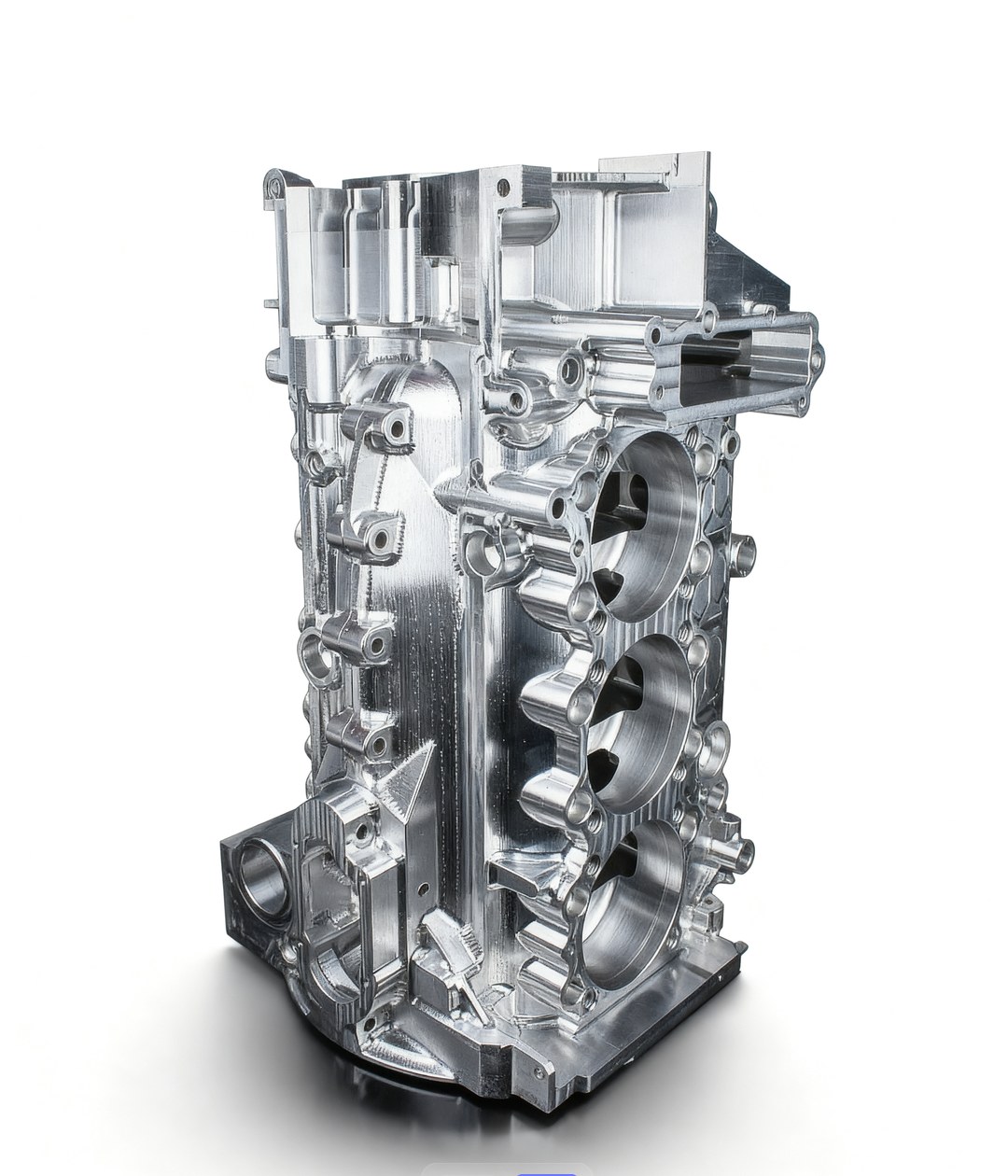
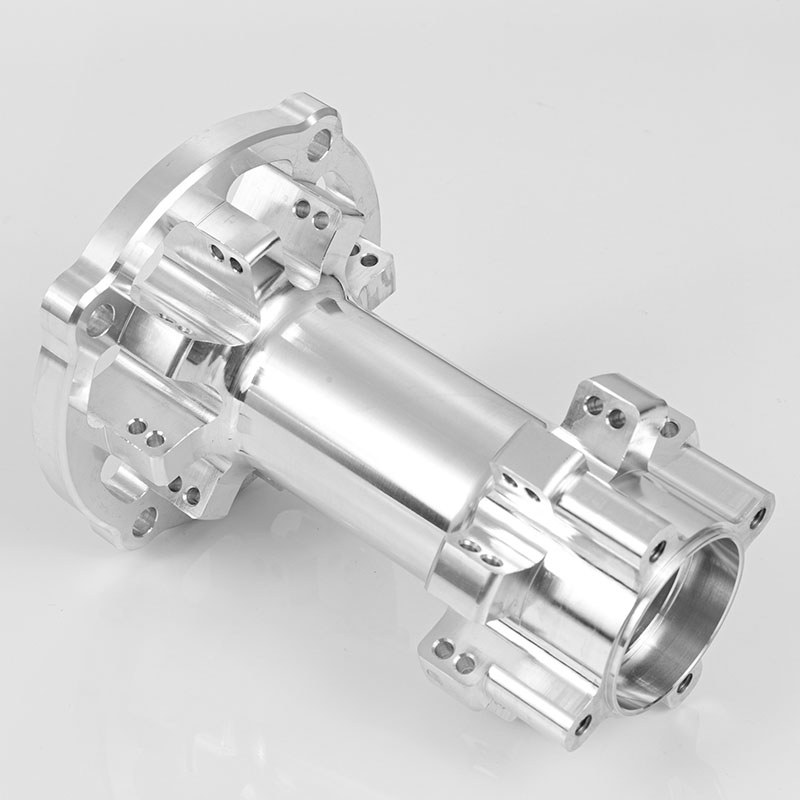
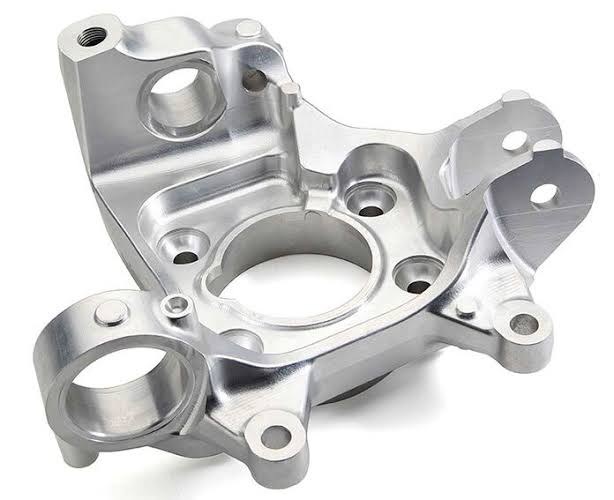
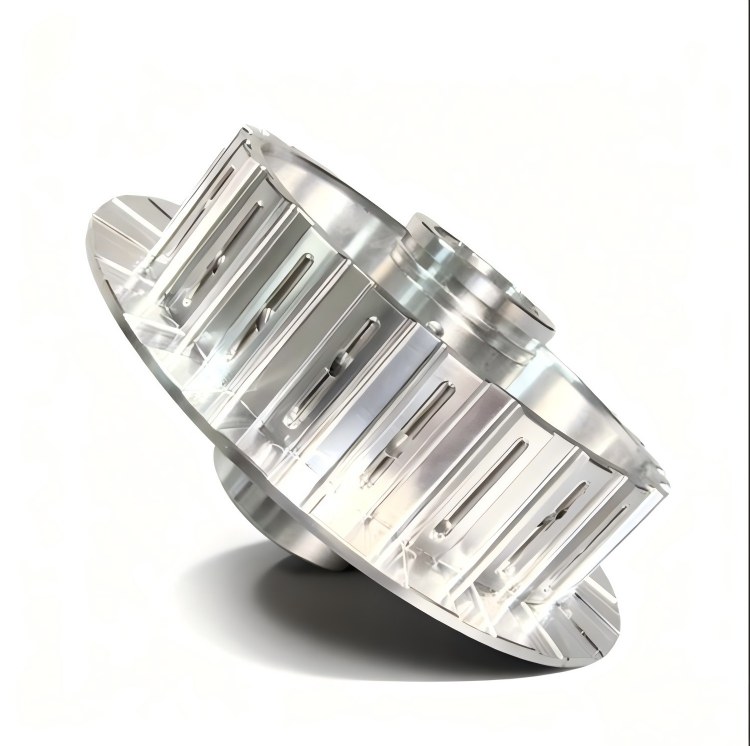
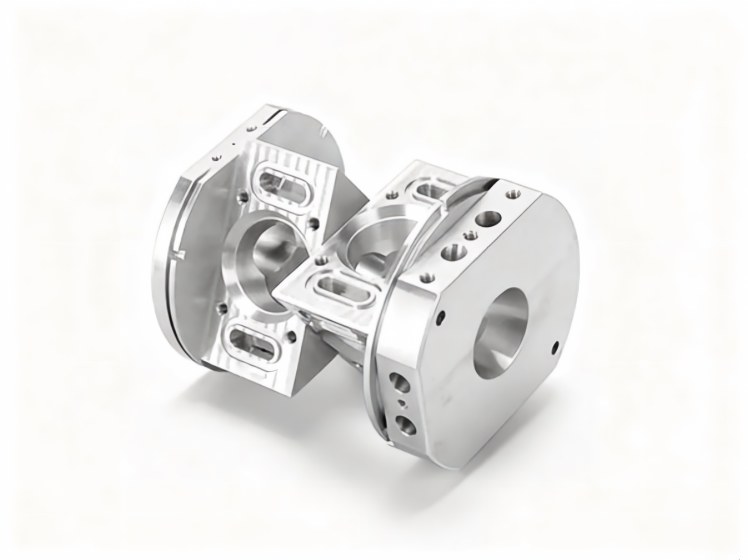
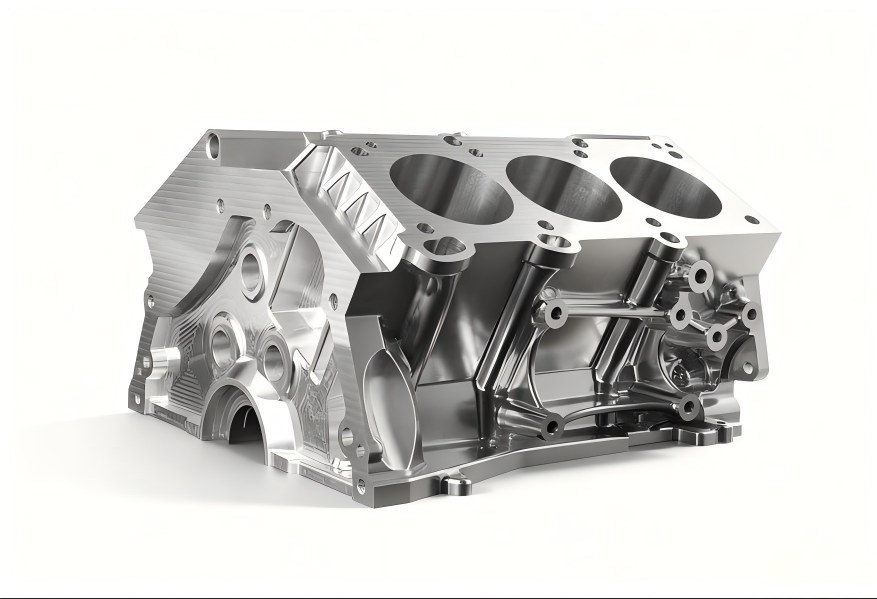
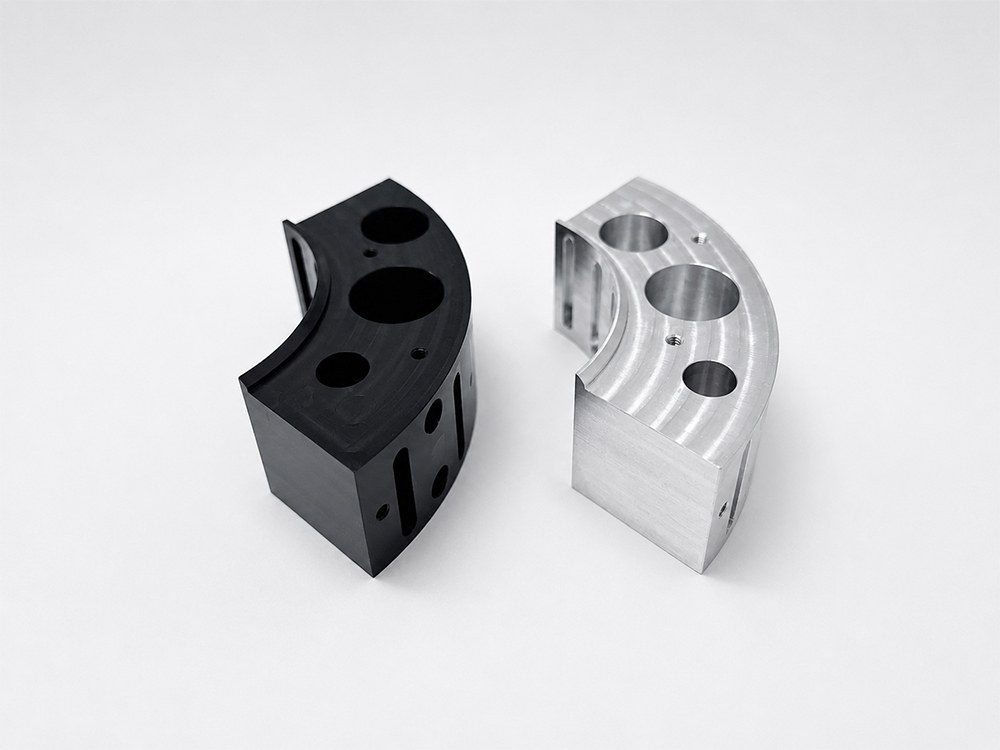
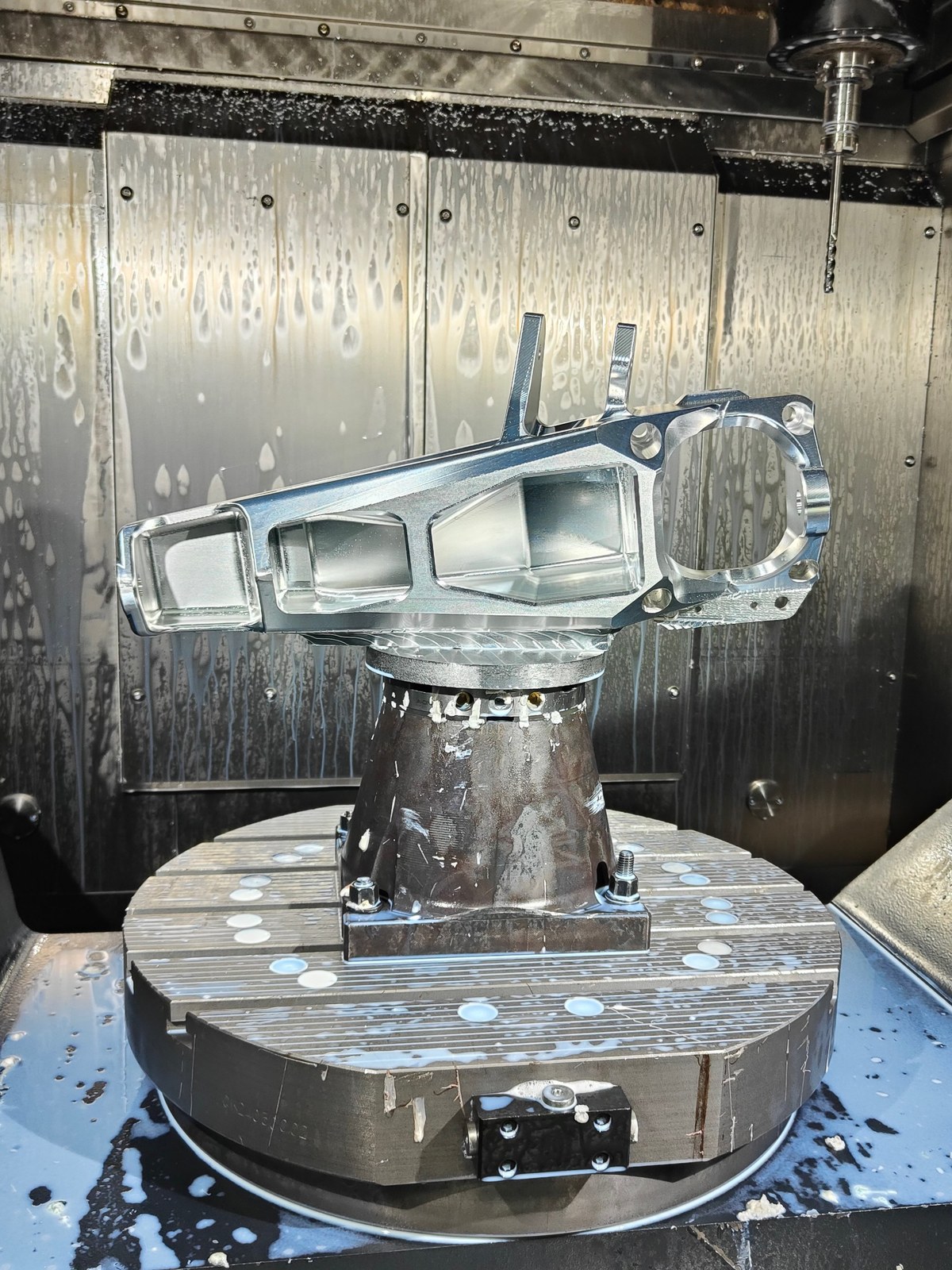
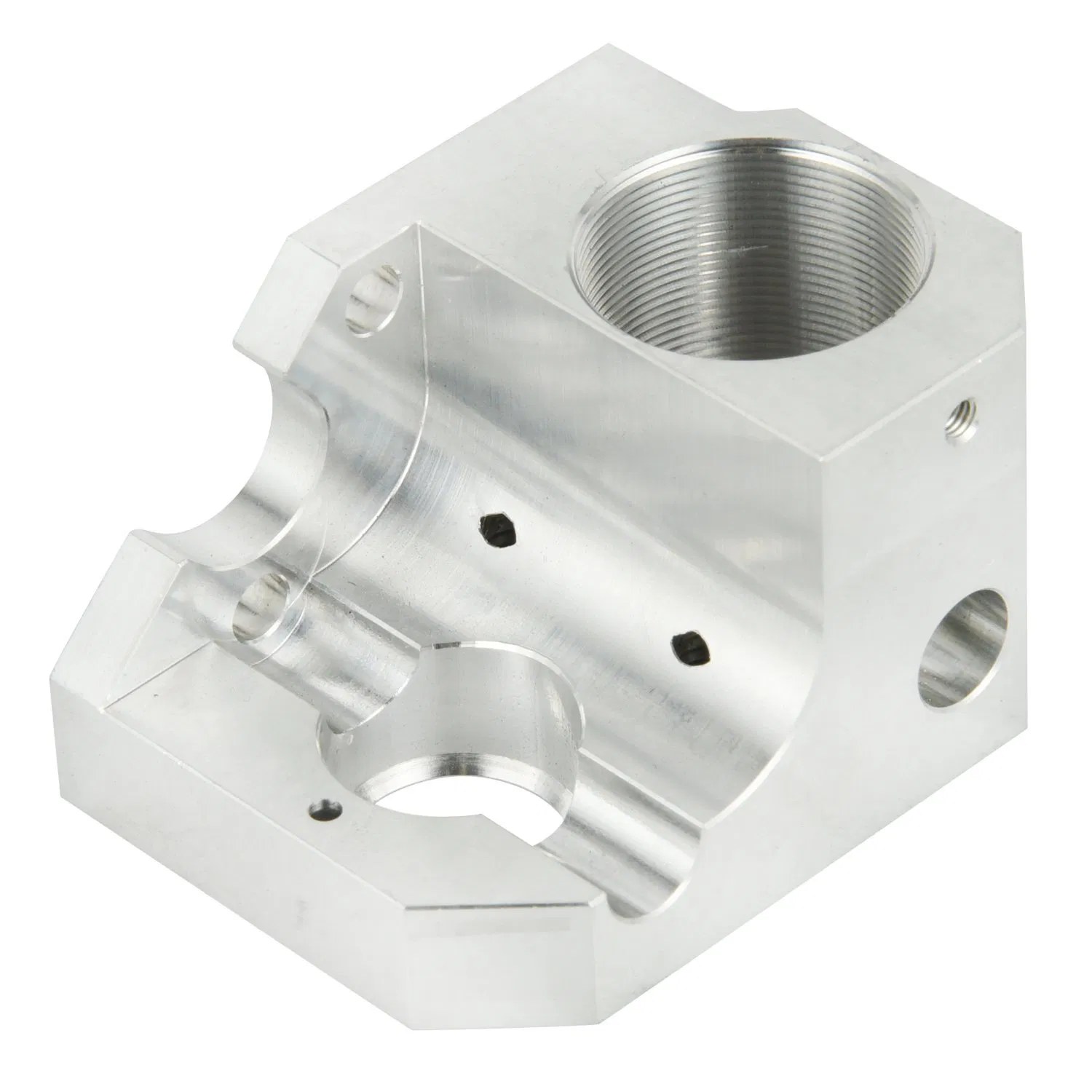
Five Axis CNC Machining Services
“Custom 5-axis CNC machining for complex metal and plastic parts. Achieve multi-angle features, smooth contours, reduced setups, and precision from prototype to production.”
”
5 Axis CNC Machining Services for Custom Parts
Manufacture complex, high-precision parts with fewer setups using our 5-axis CNC machining service. From contoured surfaces and angled features to multi-sided precision components, we machine production-grade metal and plastic parts for prototyping, low-volume production, and repeat orders.
- 3+2 & Simultaneous 5-Axis Options
- Tolerances up to ±0.001 inches
- 60+ Production-Grade Materials
- From 5 Business Days
What Is 5-Axis CNC Machining?
5-axis CNC machining is an advanced subtractive manufacturing process that combines three linear axes (X, Y, Z) with two rotary axes. This movement allows the cutting tool or workpiece to approach the part from multiple directions. Compared with conventional 3-axis machining, 5-axis machining improves access to angled surfaces, deep cavities, compound curves, and multi-sided features. It can also reduce the number of setups required to manufacture a part, helping improve positional accuracy and production efficiency.
3+2 Indexed Machining vs. Simultaneous 5-Axis Machining
| Process | How It Works | Best For | Main Value |
|---|---|---|---|
| 3+2 Indexed Machining | The part is rotated to a fixed angle, then machined using three linear axes. | Angled holes, inclined faces, multi-sided components, prismatic parts. | Efficient access to multiple faces with stable machining conditions. |
| Simultaneous 5-Axis Machining | All five axes move at the same time during cutting. | Freeform surfaces, impellers, complex contours, deep cavities, highly sculpted components. | Continuous tool orientation for complex geometry and improved surface consistency. |
Advantages of 5-Axis CNC Machining
- Machine More Sides in Fewer Setups — Access multiple faces of a part without repeated manual repositioning.
- Create Complex Geometries — Compound angles, contoured surfaces, deep cavities, and complex profiles that are difficult with conventional setups.
- Improve Feature-to-Feature Accuracy — Reducing setup changes controls positional relationships between holes, surfaces, and mating features.
- Material Savings — Efficient toolpaths minimize waste, especially valuable for expensive materials.
- Enhanced Surface Quality on Curved Areas — Continuous tool orientation maintains more consistent cutting conditions.
Materials for 5-Axis Machining
Plastics
| Material | Key Properties | Typical Applications |
|---|---|---|
| ABS (Beige, Black, Milky White, PC+ABS) | Lightweight, good resistance to heat and impact | Automotive components, functional prototypes, fixtures, enclosures |
| PC (Black, Transparent, White, PC+GF30 Black) | Transparent, high impact resistance, durable | Protective covers, test fixtures, equipment housings |
| Acrylic (Black, Transparent, White) | High transparency, weather resistance | Optical lenses, display stands, medical devices |
| HDPE (Black, White) | Excellent toughness, outstanding chemical & impact resistance | Outdoor equipment, chemical vessel components |
| POM (Black, Blue, White) | High strength & rigidity, low friction, good dimensional stability | Precision gears, bushings, rollers, mechanical plastic parts |
| PP (Black, White, PP+GF30 Black) | Low density, high flexural strength, good chemical resistance | Automotive parts, container shells |
| Nylon (Blue, PA6+GF15 Black, PA6+GF30 Black, PA66 Beige, PA66 Black) | Excellent wear & corrosion resistance, shock absorption | Automotive engine, bushings |
| PVC (Grey) | Excellent electrical insulation, flame retardancy, low cost | Pipe fittings, valve bodies, insulating junction boxes |
| Teflon (Black, White) | Outstanding chemical resistance, low friction, wide operating temperature | Gaskets, semiconductor piping fittings |
| PEEK (Beige, Black) | High temperature resistance, strength, excellent biocompatibility | Aerospace connectors, semiconductor, implantable medical devices |
Metals
| Material | Key Properties | Typical Applications |
|---|---|---|
| Aluminum (6061, 6061-T6, 2024, 5052, 5083, 6063, 6082, 7075, 7075-T6) | Lightweight, excellent machinability | Aerospace, automotive parts, drones |
| Stainless Steel (SUS303, SUS 304, AISI 304, SUS316, SUS316L, SUS420, SUS430) | Corrosion resistance, high strength & hardness | Medical devices, food processing equipment, marine fasteners |
| Steel (1018, 1045, 4140, 4130, 8620, A36, 45) | High tensile strength, durability | Automotive industries, gears, construction |
| Copper (C101/T2, C103/T1, C103/TU2, C110/TU0) | Superior electrical & thermal conductivity, great ductility | Electrical components, heat exchangers |
| Brass (C27400, H59) | Durable, excellent cutting performance, low friction | Plumbing valves, electronic contact pins |
| Titanium (TA1, TA2, TC4/Ti-6Al-4V) | Highest strength-to-density ratio, corrosion & fatigue resistance | Human implants, aero-engine blades, marine |
Surface Finishing
| Finish | Specification | Main Benefits |
|---|---|---|
| As Machined | Surface roughness Ra 3.2 μm and Ra 1.6 μm without additional finishing | Faster production time, cost-effective, ideal for parts with strict dimensional tolerances |
| Anodizing | Type II and Type III, thickness 8–12 μm to 35–50 μm | Improves appearance and performance, various color options |
| Sand Blasting | Sizes from #120 to #220 | Precise and cost-effective; promotes adhesion of coating and painting |
| Alodine | MIL-DTL-5541 Type 1 & Type 2, thickness 0.00001–0.00004 inches, clear color | Promotes corrosion resistance, paint adhesion, and electrical conductivity |
| Powder Coating | Thickness 50–150 μm, various color options | Provides protection against rust and corrosion, enhances lifecycle |
| Heat Treatment | Hardening, tempering, annealing, normalizing; overall hardness 48–62 HRC | Enhanced mechanical properties—hardness, strength, and durability |
Applications of 5-Axis CNC Machining
| Industry | Typical Parts |
|---|---|
| Aerospace & Defense | Structural brackets, actuator parts, lightweight housings, flight-control components, complex fixtures |
| Automotive | Performance components, battery-system fixtures, powertrain prototypes, sensor housings, test equipment |
| Medical Devices | Surgical instruments, orthopedic components, dental parts, diagnostic-device housings, custom fixtures |
| Robotics & Industrial Automation | End-effectors, robotic joints, grippers, motor mounts, precision positioning components |
| Energy & Fluid Systems | Pump components, valve bodies, manifolds, turbine-related parts, fluid-control hardware |
| Semiconductor & Optics | Precision fixtures, alignment components, vacuum-compatible parts, equipment housings |
Design Tips for Efficient 5-Axis Parts
- Use 5-Axis Only When It Adds Value — Not every complex-looking part needs simultaneous 5-axis machining.
- Maintain Tool Access — Avoid enclosed features, inaccessible internal corners, and deep narrow cavities unless essential.
- Add Practical Internal Radii — Sharp internal corners are not achievable with standard rotary cutting tools.
- Consider Material Removal Volume — Designs that require removing a large percentage of stock can be reviewed for cost-saving alternatives.
FAQ
Is 5-axis machining always the best choice?
Not necessarily. While 5-axis machining is highly capable, 3-axis or 4-axis machining may be more economical for simpler parts.
Is 5-axis CNC machining more accurate than 3-axis machining?
For multi-sided or complex parts, 5-axis machining can improve positional relationship between features by reducing setups. Final accuracy still depends on the part design, material, tolerances, tooling, and inspection plan.
Can you machine angled holes and complex curved surfaces?
Yes. 5-axis machining is designed to access inclined features, compound angles, and contoured surfaces that may be difficult to reach in conventional setups.
Will a surface finish affect tight tolerances?
Potentially. Anodizing, plating, powder coating, and other finishes can change surface dimensions. Critical fits and threads should be identified before production.
What materials are compatible with 5-axis machining?
Common options include aluminum, stainless steel, alloy steel, brass, copper, titanium, ABS, POM, PC, PEEK, and PTFE.
“
Frequently Asked Questions
We specialize in multi-axis CNC machining (3-axis, 4-axis, 5-axis) and can achieve standard tolerances of ±0.02mm (±0.001″), with tighter tolerances available upon request. We work with a wide range of metals and engineering plastics.
We accept STEP, IGES, X_T, SLDPRT, and DWG/DXF files. 2D drawings with critical dimensions and tolerances are highly recommended alongside 3D files for accurate and efficient quotation.
Lead time depends on part complexity and order quantity. Standard prototypes can be delivered in 5-10 business days. For production runs, typical lead time is 2-4 weeks. Rush services are available for urgent projects.
Yes. We offer a full suite of post-processing services including anodizing, powder coating, plating, polishing, sandblasting, heat treatment, and assembly. We can deliver parts ready for final use.
We implement strict quality control at every stage: from material certification, in-process inspections (IPQC) to final quality checks using tools like CMM, calipers, and micrometers. First Article Inspection (FAI) reports and material certifications are provided with shipments.
Client IP protection is our top priority. We are willing to sign Non-Disclosure Agreements (NDAs) and have secure data management systems in place. Your drawings and designs will never be shared with third parties.
Reliable CNC Machining Solutions
We focus on delivering high-quality CNC machined parts with efficient production to meet your exact requirements.