
Materials
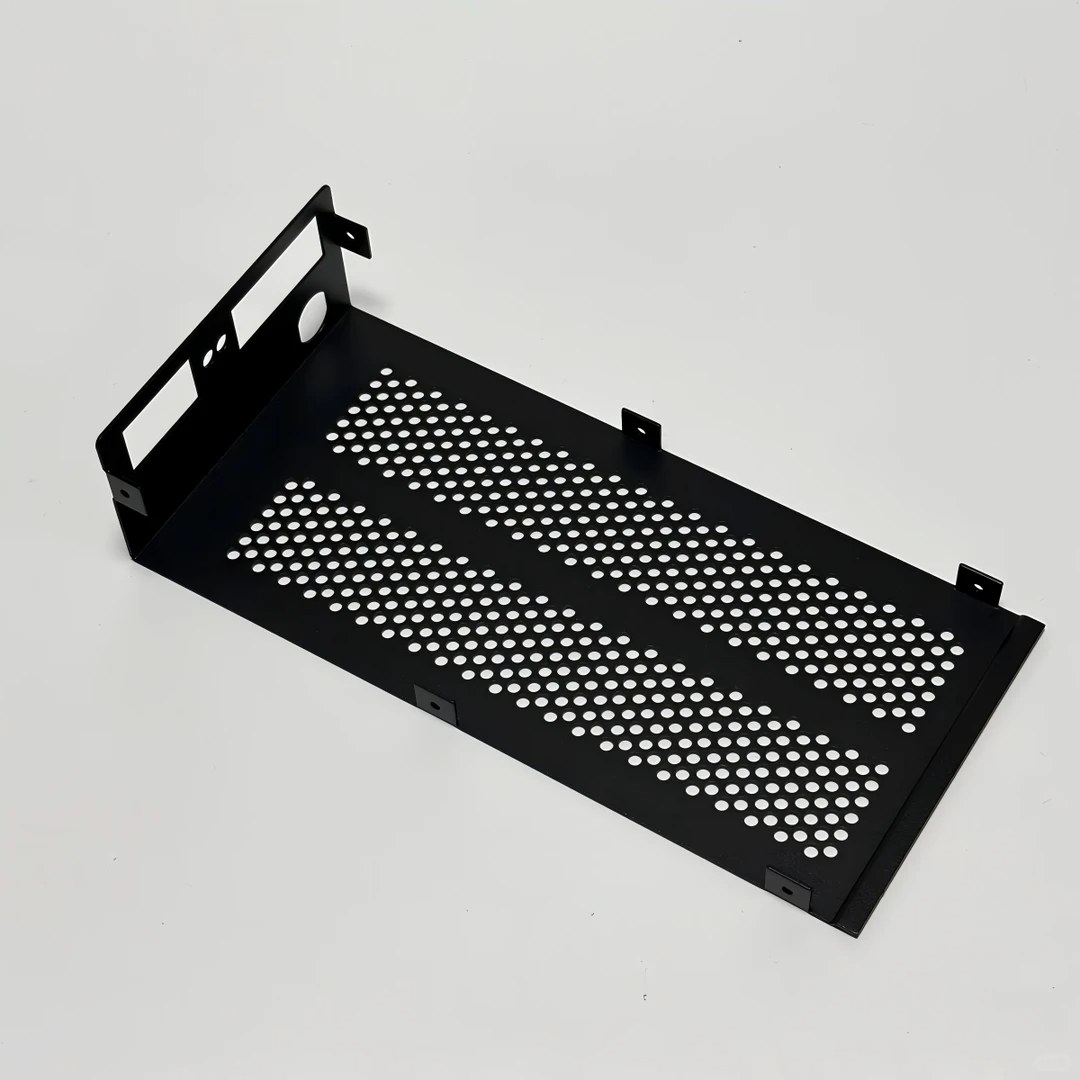
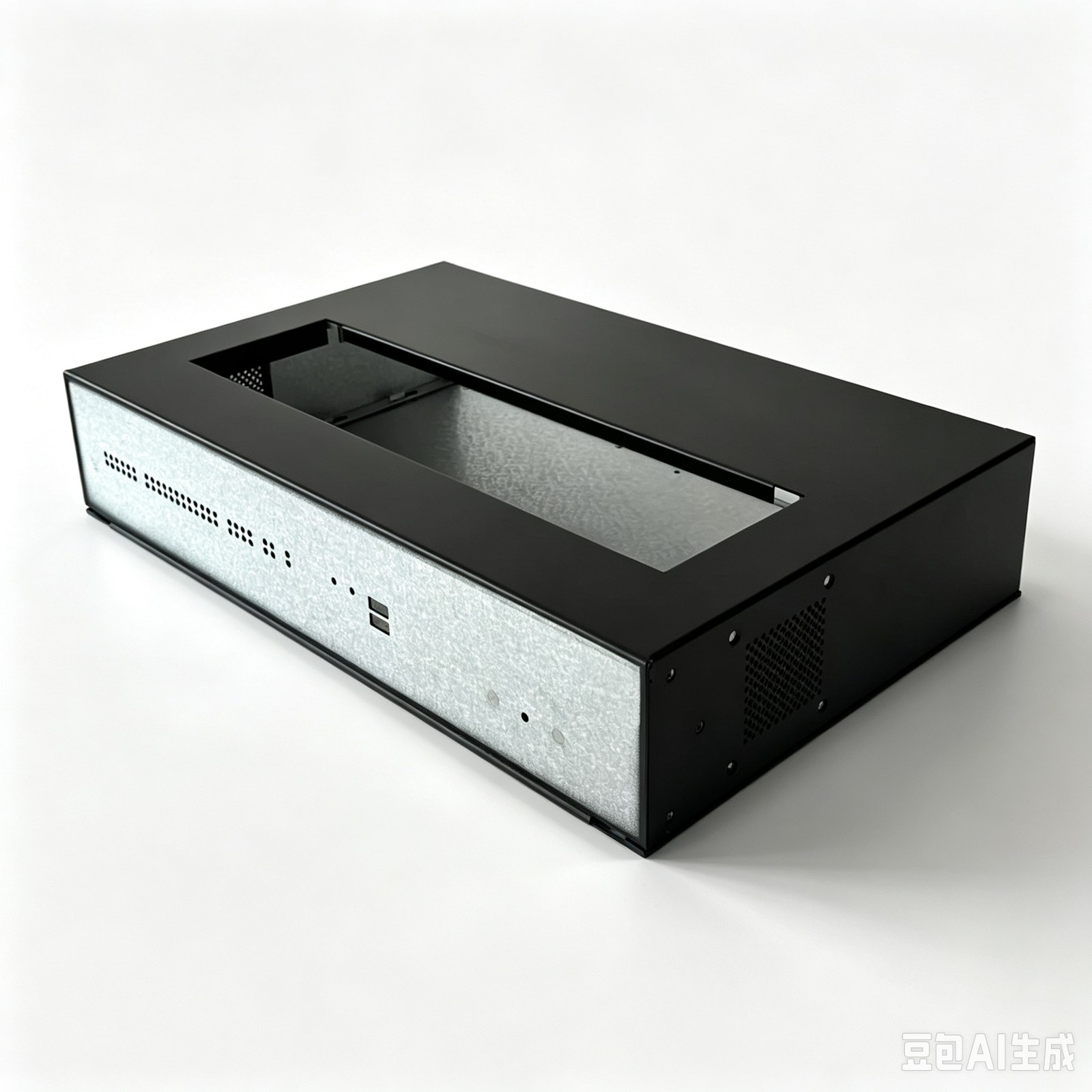
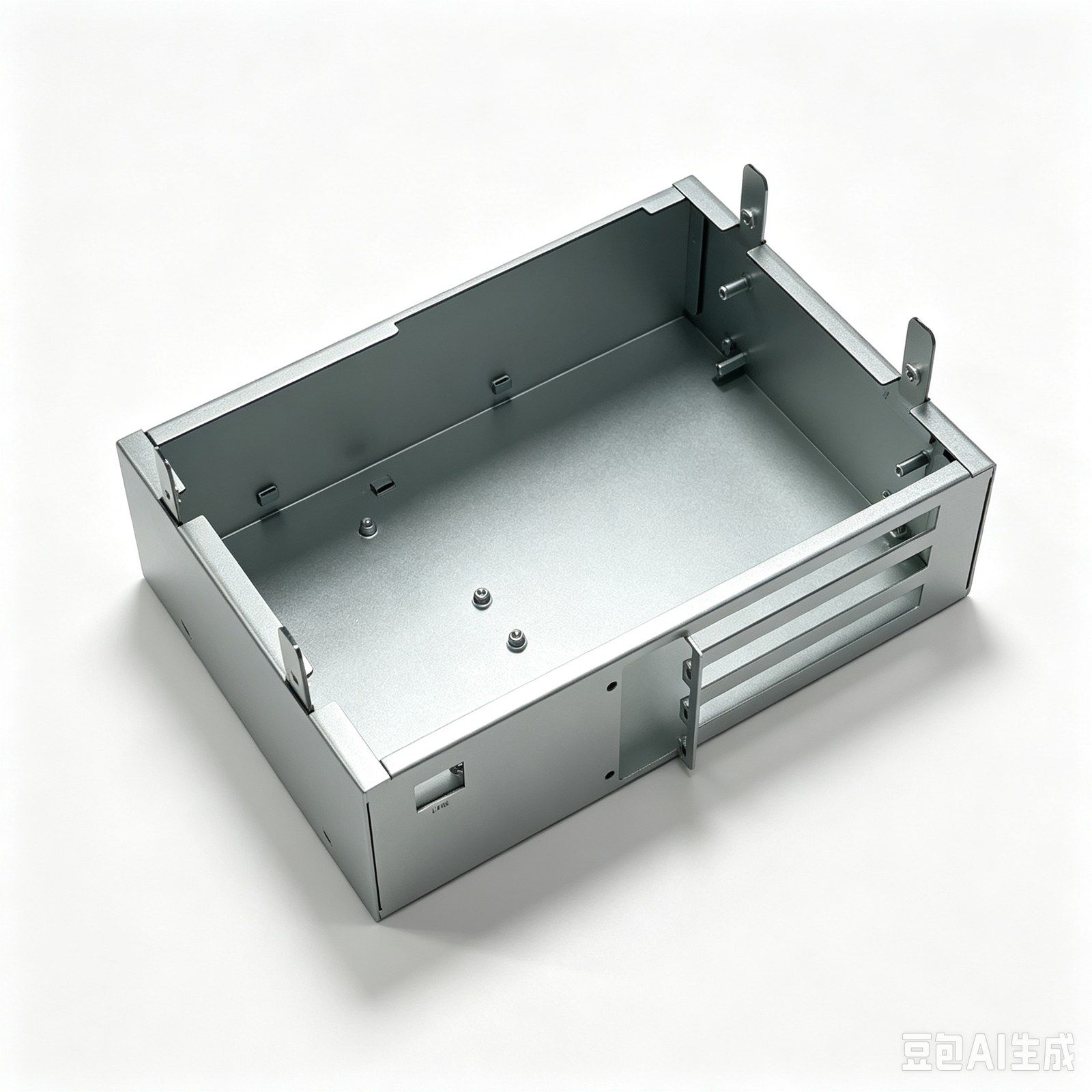
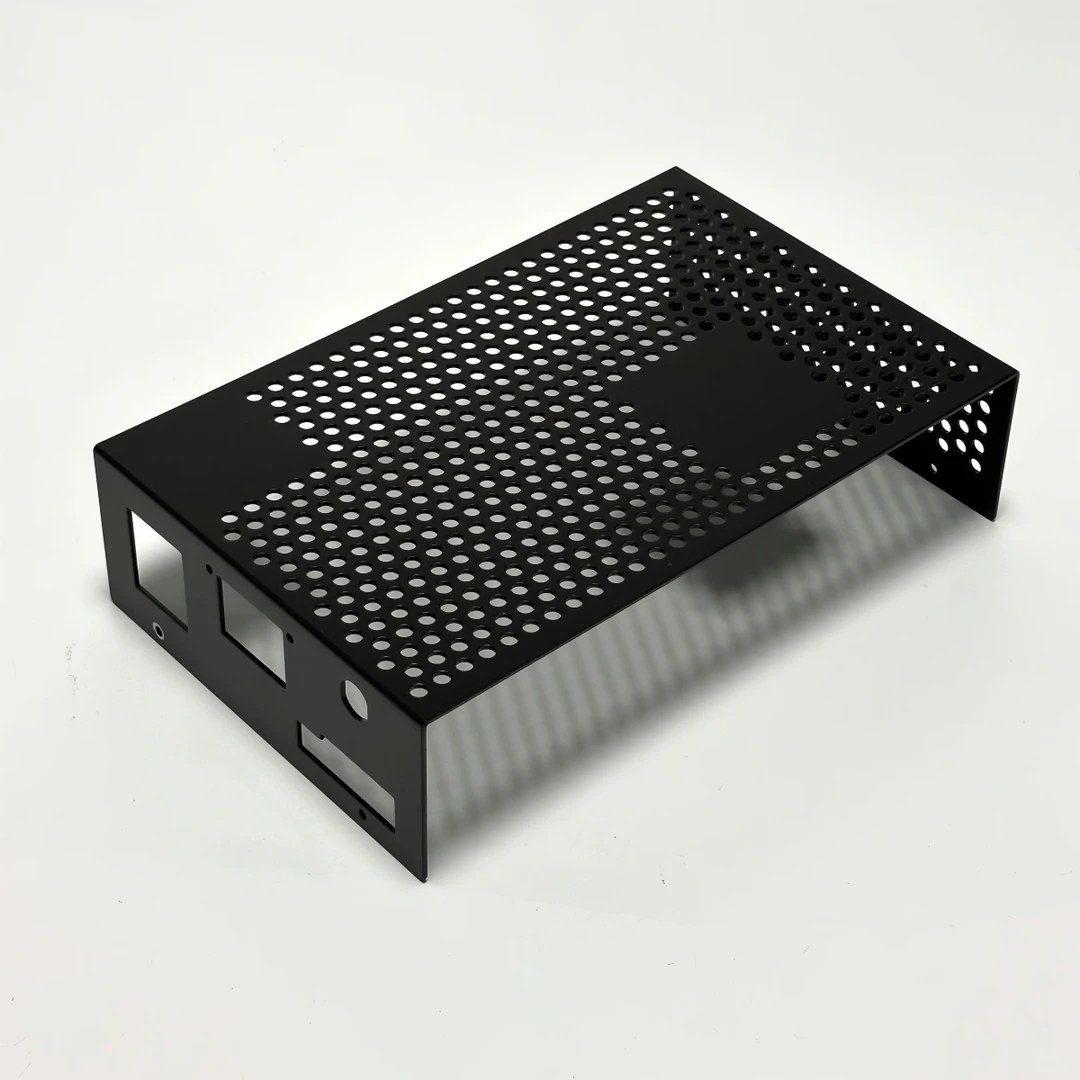
Custom Sheet Metal Fabrication Services for Enclosures and Parts
“Custom sheet metal fabrication for prototypes and production parts. From laser cutting and bending to welding, PEM insertion, finishing, and assembly—reliable metal parts for your project.”
“
Custom Sheet Metal Fabrication Services
Custom sheet metal fabrication for prototypes and production parts. From laser cutting and bending to welding, PEM insertion, finishing, and assembly—get reliable metal parts for your project.
- Precision quality with 3-day lead time
- ISO 9001:2015 Certified
- From rapid prototyping to high volume production
- 20+ materials, 10+ finish options
What Is Sheet Metal Fabrication Service?
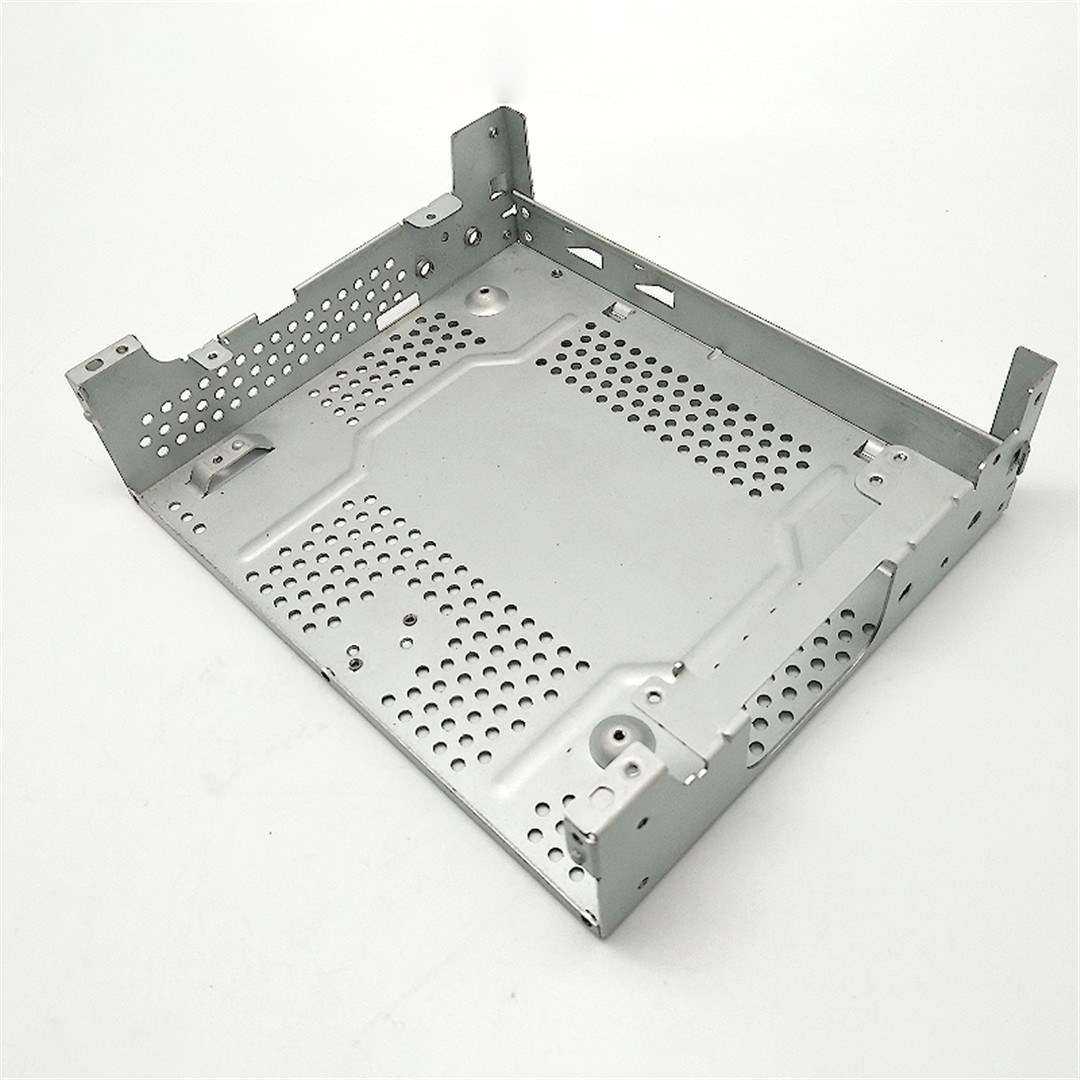
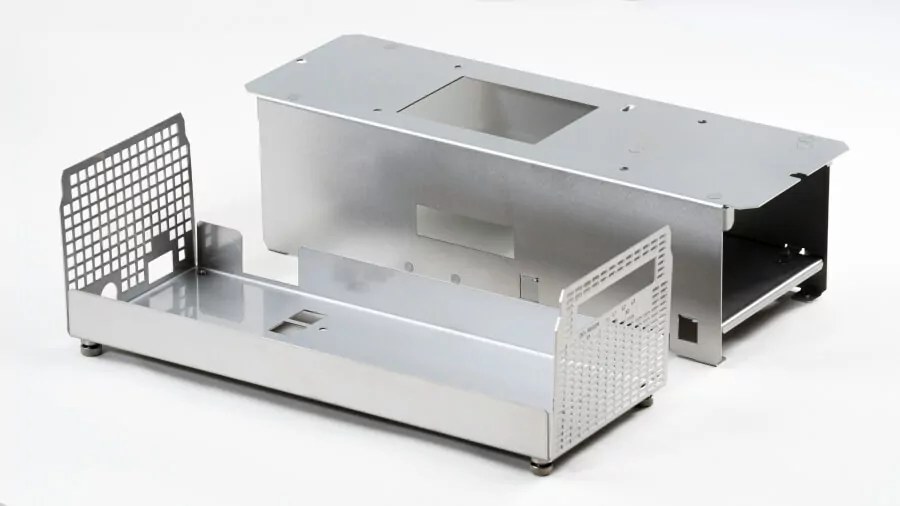
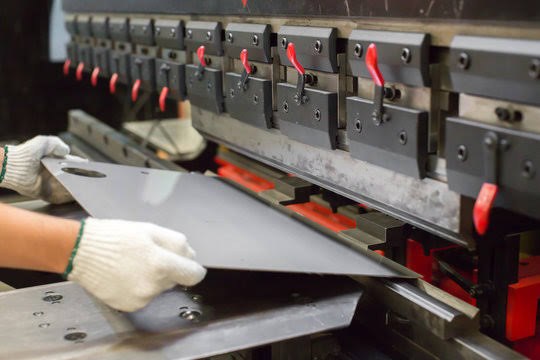
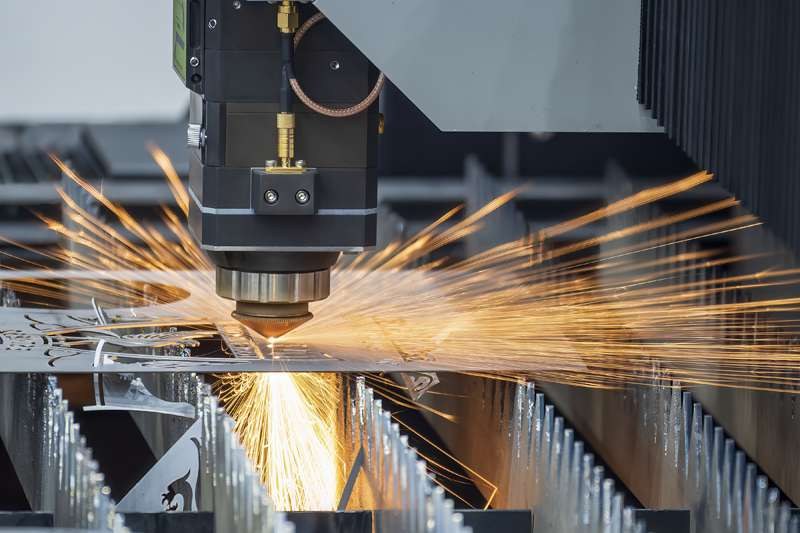
Sheet metal fabrication is a manufacturing process that transforms metal sheets into functional parts through cutting, forming, joining, and finishing operations. It is widely used for enclosures, brackets, panels, chassis, cabinets, covers, and structural components. Depending on the design, a finished part may involve laser cutting, bending, punching, welding, hardware insertion, and surface treatment.
When Is Sheet Metal Fabrication the Right Choice?
Sheet metal fabrication is a practical choice when your part requires a lightweight yet durable structure, repeatable bends, large flat surfaces, integrated mounting features, or cost-efficient production at low to medium volumes.
Service Modes
- Prototypes — Fast functional parts for testing and iteration.
- Low-Volume Production — Flexible quantities without high tooling costs.
- Production Components — Repeatable enclosures, brackets, frames, and assemblies.
Our Sheet Metal Fabrication Capabilities
Our capabilities include laser cutting, bending, welding, punching, stamping, hardware insertion, surface finishing, and assembly—helping you source complete sheet metal parts from one manufacturing partner.
| Process | Description |
|---|---|
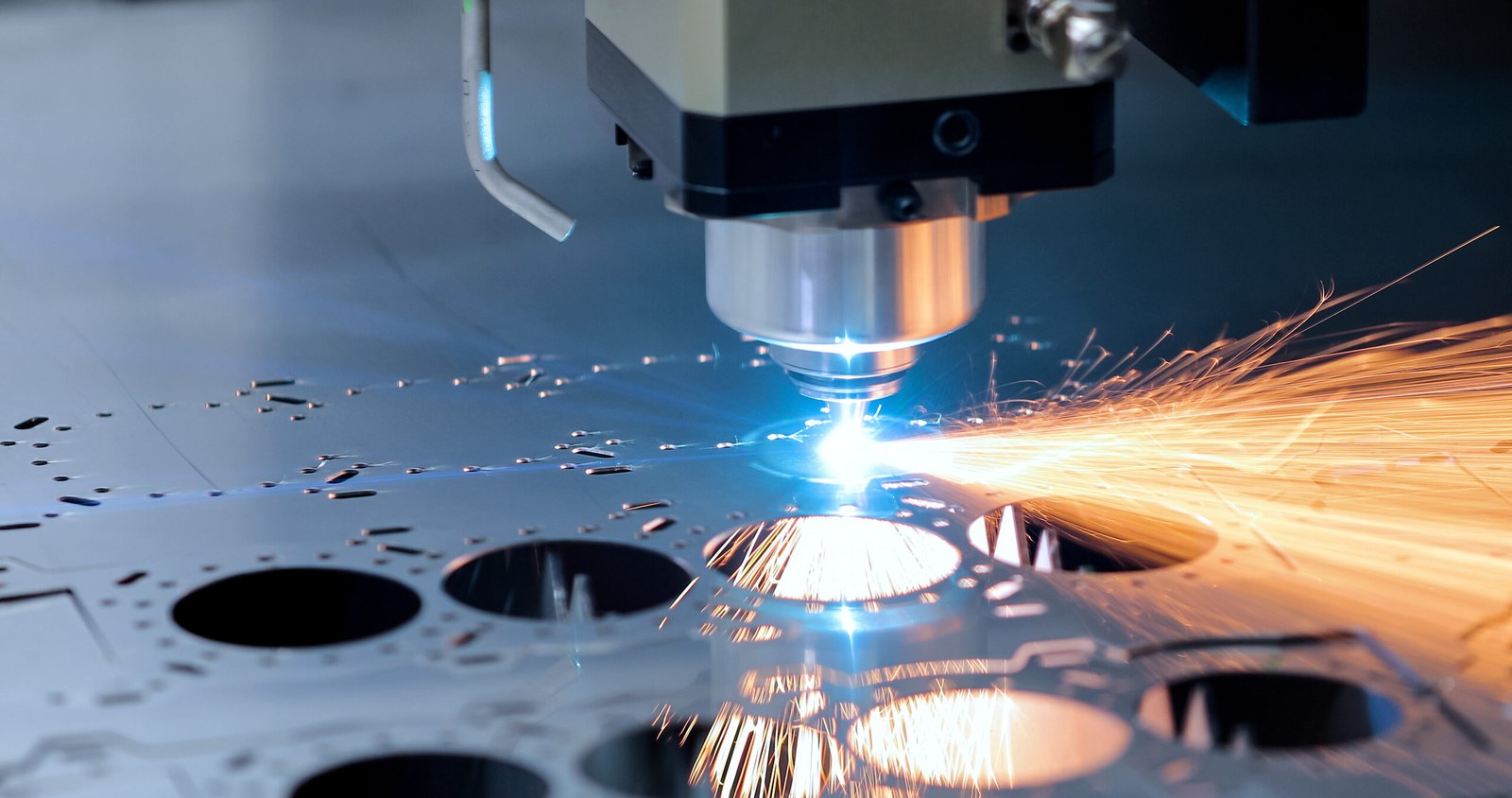
| Laser Cutting | Produces precise profiles, holes, slots, and cutouts from metal sheet. |
| Bending | Forms sheet metal into angles, channels, boxes, and complex shapes. |
| Punching | Creates repeated holes, louvers, cutouts, and formed features efficiently. |
| Welding | Joins multiple components into a rigid assembly. |
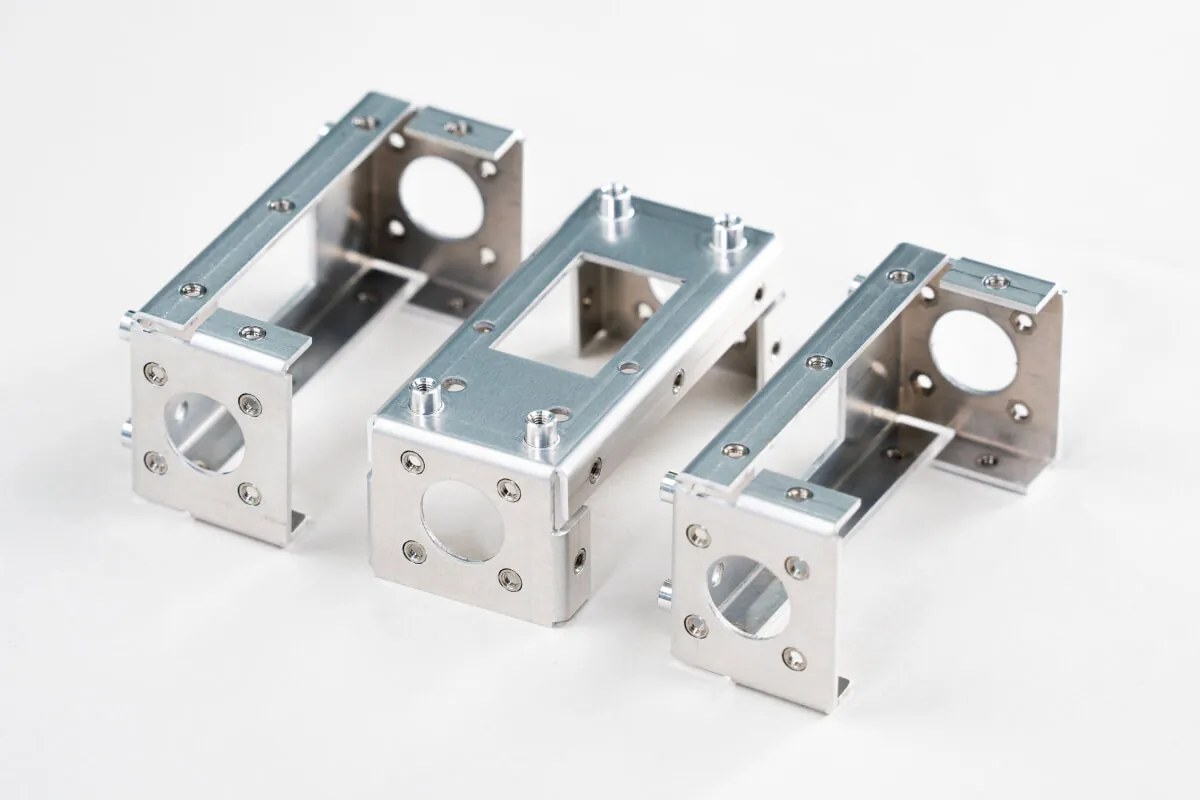
| PEM Hardware Insertion | Installs self-clinching nuts, studs, and standoffs. |
| Stamping | Creates complex designs through cold-forming techniques; uses dies and presses to shape flat sheets into different forms. |
Capabilities & Tolerances
| Capability | Actual Specification |
|---|---|
| Maximum Sheet Size | 1500 × 3000 mm |
| Material Thickness Range | 0.3 mm – 12 mm (depends on material) |
| Bending Length | Up to 7200 mm |
| General Tolerance | Metals: ISO 2768-c, ISO 2768-m |
| Minimum Bend Radius | Be equal to material thickness |
| Welding Types | TIG / MIG / Spot Welding / etc. |
| Quantity Range | 1 to 5,000+ parts |
Materials for Sheet Metal Fabrication
We help you select a material that matches your product environment and manufacturing requirements, balancing strength, corrosion resistance, conductivity, weight, appearance, and cost.
| Material | Typical Thickness Range | Key Properties | Typical Applications |
|---|---|---|---|
| Cold-Rolled Steel | 0.5–6.0 mm | Strong, economical, and suitable for coating. | Cabinets, brackets, chassis, industrial housings |
| Galvanized Steel | 0.8–3.0 mm | Zinc-coated for improved corrosion resistance. | Electrical enclosures, outdoor hardware, HVAC components |
| Stainless Steel 304 | 0.3–5.0 mm | Durable, corrosion-resistant, and widely used. | Food equipment, medical housings, machinery covers |
| Stainless Steel 316 | 0.3–5.0 mm | Stronger corrosion resistance in harsh environments. | Marine, chemical, and outdoor applications |
| Aluminum 5052 | 0.5–8.0 mm | Lightweight, corrosion-resistant, and formable. | Electronics enclosures, transport parts, panels |
| Aluminum 6061 | 0.5–8.0 mm | Higher strength but less formable than 5052. | Structural brackets, machined-and-bent components |
| Copper | 0.3–3.0 mm | Excellent electrical and thermal conductivity. | Busbars, electrical contacts, heat-transfer parts |
| Brass | 0.3–3.0 mm | Corrosion-resistant and visually distinctive. | Decorative hardware, specialty fittings, electrical parts |
Surface Finishing
Surface finishing protects your sheet metal parts, improves appearance, and prepares them for demanding end-use conditions.
| Finish | Suitable Materials | Main Benefits |
|---|---|---|
| As Fabricated | Most metals | Cost-effective; visible processing marks may remain |
| Powder Coating | Steel, aluminum, stainless steel | Durable color, texture, and corrosion protection |
| Anodizing | Aluminum | Improved corrosion resistance and metallic appearance |
| Bead Blasting | Aluminum, stainless steel, brass | Uniform matte appearance |
| Brushing | Stainless steel, aluminum | Directional satin texture for visible surfaces |
| Electroplating | Steel and selected metals | Improved corrosion resistance, wear resistance, or conductivity |
| Silk Screening / Laser Marking | Finished metal parts | Logos, labels, safety markings, serial numbers |
Applications of Custom Sheet Metal Fabrication
| Industry | Typical Parts |
|---|---|
| Industrial Automation | Machine guards, brackets, frames, electrical cabinets |
| Telecommunications | Outdoor enclosures, antenna mounts, equipment racks |
| Medical Equipment | Device housings, carts, panels, protective covers |
| Automotive & EV | Battery enclosures, brackets, test fixtures, protective panels |
| Energy | Power cabinets, inverter housings, mounting structures |
| Consumer Products | Appliance panels, premium metal casings, display components |
| Food & Beverage Equipment | Stainless steel housings, guards, trays, machine covers |
Benefits of Sheet Metal Fabrication
- Efficient for Enclosures and Structural Parts — Ideal for parts that need strength, flat surfaces, bends, mounting features, or large lightweight forms.
- Assembly-Ready Components — Hardware insertion, welding, tapping, and finishing can be combined to deliver parts ready for final assembly.
- Strong Design Scalability — A well-designed sheet metal part can move from prototype quantities to repeat production with minimal design change.
Design Tips for Sheet Metal Custom Parts
- Use Standard Material Thicknesses — Standard sheet thicknesses are easier to source and usually more cost-effective.
- Keep Bend Radii Practical — A suitable bend radius helps prevent cracking and improves dimensional consistency.
- Avoid Overly Tight Tolerances — Apply tight tolerances only to functional features such as assembly interfaces, critical hole patterns, and mating surfaces.
- Design for Hardware Installation — For PEM nuts, studs, and standoffs, provide the correct hole size, sheet thickness, and clearance for installation tools.
FAQ
What materials are commonly used for sheet metal fabrication?
Common materials include cold-rolled steel, galvanized steel, stainless steel, aluminum, copper, and brass.
What is the difference between sheet metal fabrication and CNC machining?
Sheet metal fabrication forms parts from metal sheet and is ideal for enclosures, brackets, and thin-walled structures. CNC machining removes material from solid stock and is better suited to high-precision solid parts and complex three-dimensional features.
Can CNC milling make production parts as well as prototypes?
Yes. CNC milling is suitable for rapid prototypes, functional test parts, fixtures, bridge production, and low- to medium-volume end-use parts.
Can you add PEM nuts, studs, and standoffs?
Yes. Self-clinching hardware can be installed in compatible sheet metal parts to create strong, repeatable mounting points.
Can you weld and assemble sheet metal parts?
Yes. Depending on the project, welded structures, inserted hardware, tapped holes, and basic assembly can be integrated into the manufacturing process.
Can you make sheet metal prototypes?
Yes. Sheet metal fabrication is well suited to prototype and low-volume parts because it does not require the high tooling investment of mass-production stamping.
“
Frequently Asked Questions
We specialize in multi-axis CNC machining (3-axis, 4-axis, 5-axis) and can achieve standard tolerances of ±0.02mm (±0.001″), with tighter tolerances available upon request. We work with a wide range of metals and engineering plastics.
We accept STEP, IGES, X_T, SLDPRT, and DWG/DXF files. 2D drawings with critical dimensions and tolerances are highly recommended alongside 3D files for accurate and efficient quotation.
Lead time depends on part complexity and order quantity. Standard prototypes can be delivered in 5-10 business days. For production runs, typical lead time is 2-4 weeks. Rush services are available for urgent projects.
Yes. We offer a full suite of post-processing services including anodizing, powder coating, plating, polishing, sandblasting, heat treatment, and assembly. We can deliver parts ready for final use.
We implement strict quality control at every stage: from material certification, in-process inspections (IPQC) to final quality checks using tools like CMM, calipers, and micrometers. First Article Inspection (FAI) reports and material certifications are provided with shipments.
Client IP protection is our top priority. We are willing to sign Non-Disclosure Agreements (NDAs) and have secure data management systems in place. Your drawings and designs will never be shared with third parties.
Reliable CNC Machining Solutions
We focus on delivering high-quality CNC machined parts with efficient production to meet your exact requirements.