
Materials
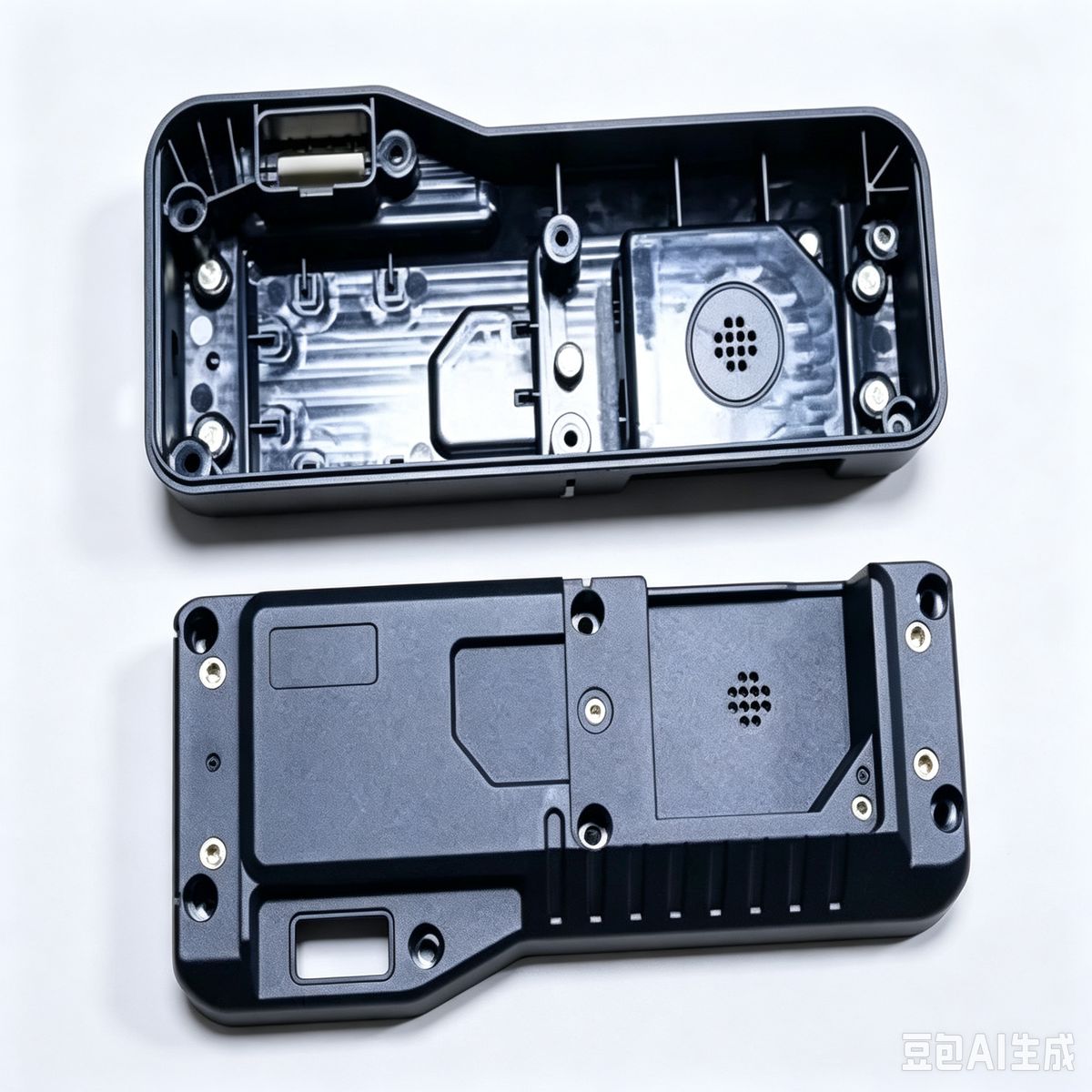
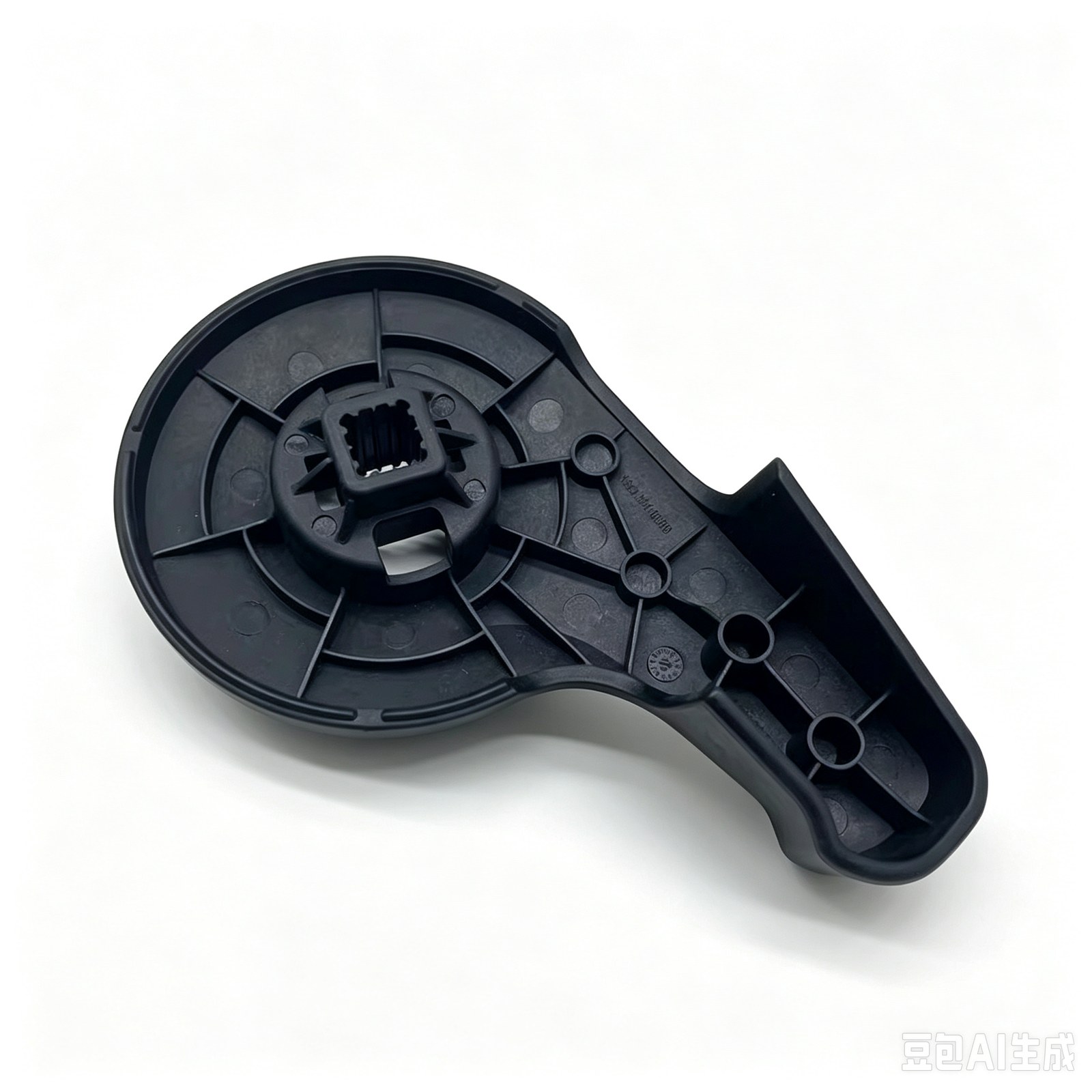
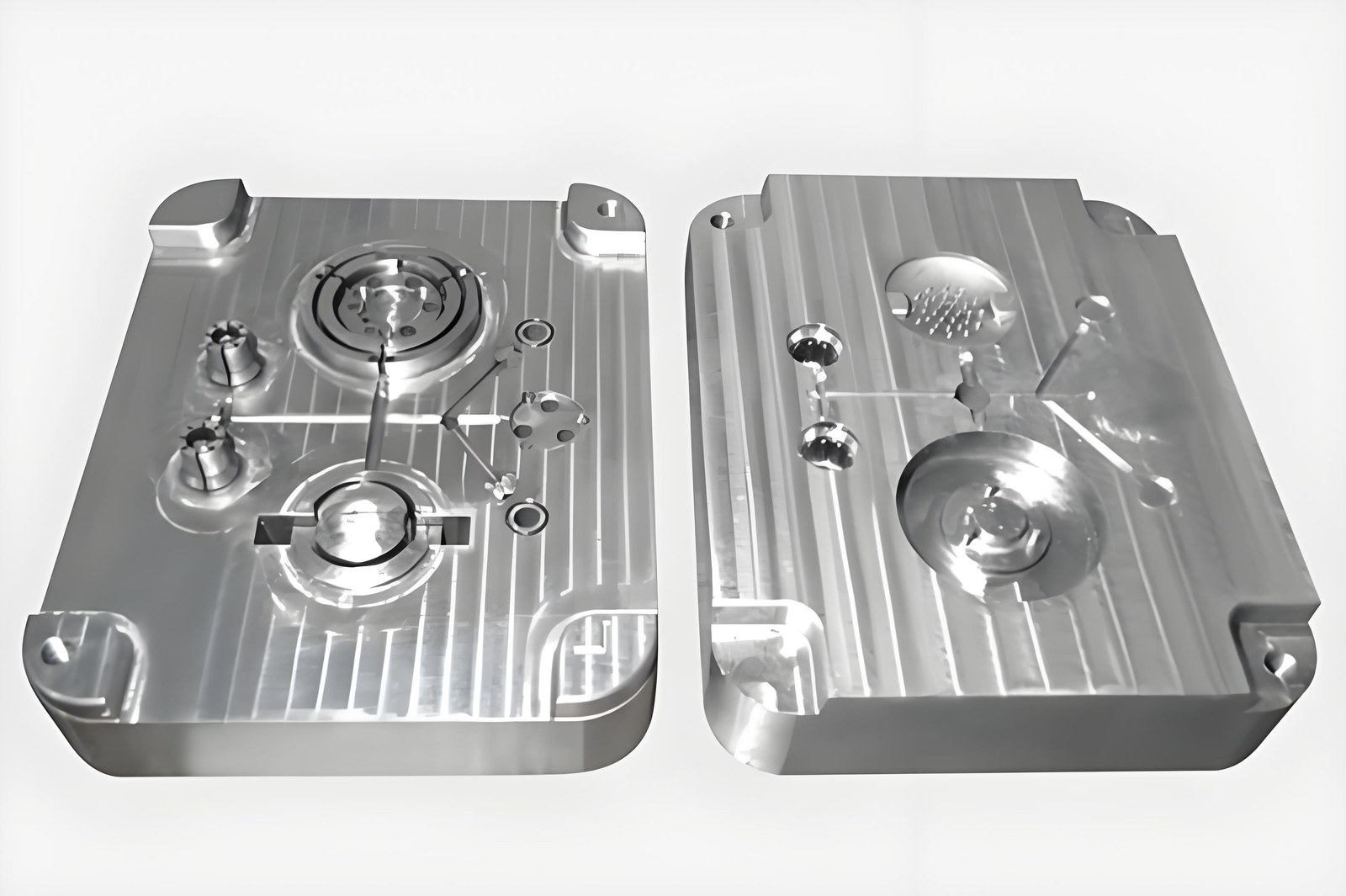
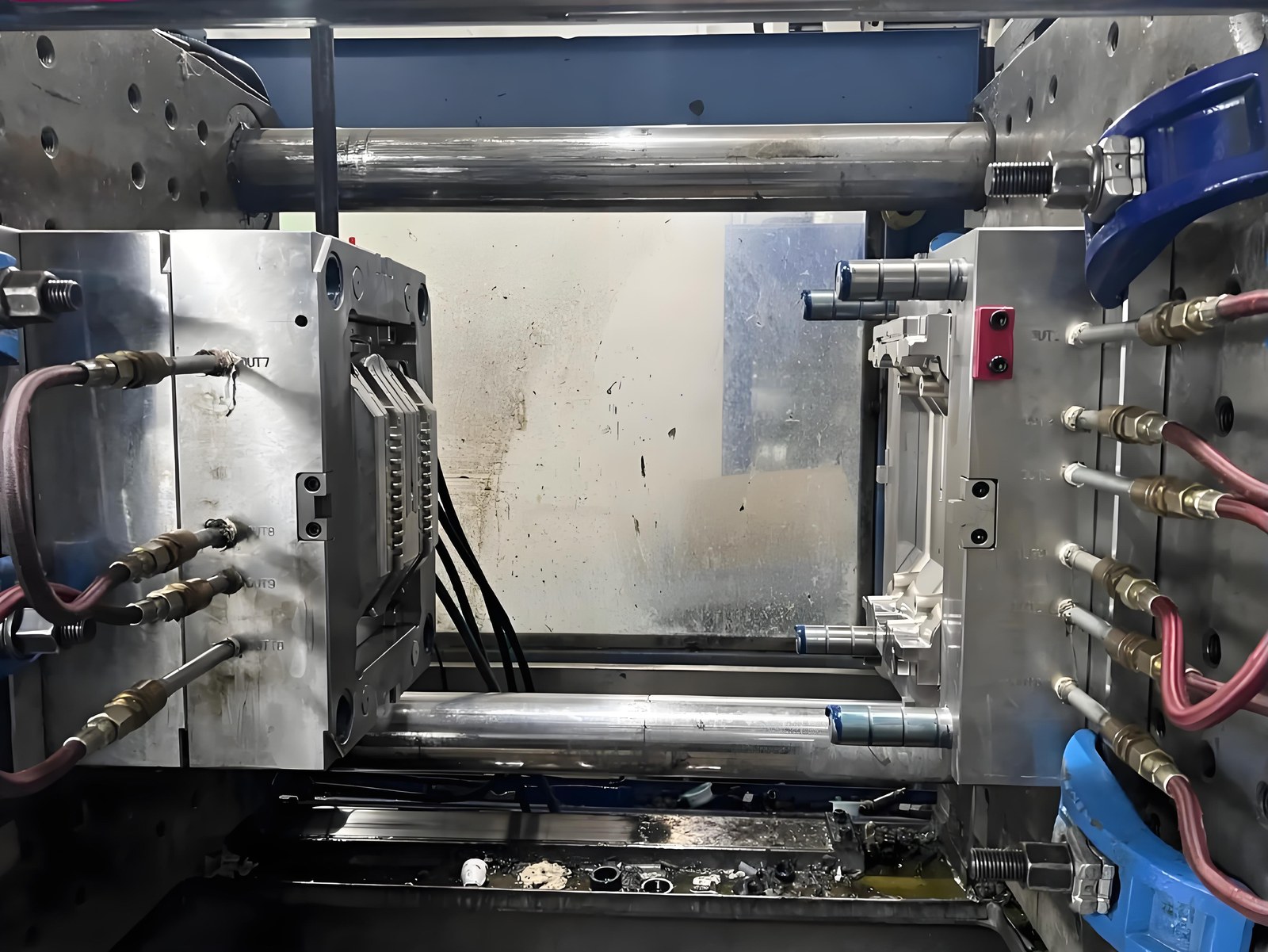
Custom Injection Molding Services for Plastic Parts
“Bring your plastic parts from validated designs to repeatable production with custom injection molding. Prototype to production support, DFM review, and full traceability.”
”
Custom Injection Molding Services
Bring your plastic parts from validated designs to repeatable production with custom injection molding.
- Prototype to Production Support
- Full End-to-End Traceability
- Tooling, Molding & Finishing
- DFM Review Before Tooling
What Is Plastic Injection Molding Service?
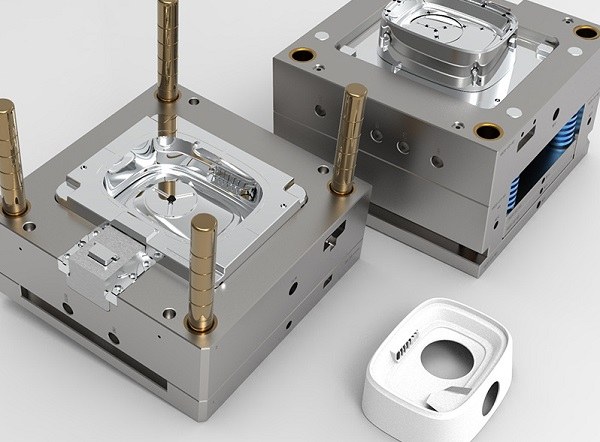
Plastic injection molding is a manufacturing method. Molten plastic is injected into a precision mold, cools and hardens, then finished parts are ejected for mass production. It is commonly used to make plastic casings, functional parts, consumer goods, medical and electrical components that demand stable dimensions in large-batch production.
When Should You Choose Injection Molding Manufacturing?
Pick injection molding if your design is finalized, you need repeated orders and consistent quality. Although mold creation involves upfront costs, unit costs drop significantly with higher production volumes.
Tooling Solutions for Every Stage
| Project Need | Recommended Solution |
|---|---|
| Early concept validation or very low quantity | CNC machining or 3D printing |
| Functional plastic samples with production-like material | Rapid injection molding |
| High annual volume and lowest unit cost target | Production injection molding |
| Tooling Approach | Description |
|---|---|
| Prototype Tooling | Functional testing, bridge production, and market validation. Supports faster learning before major production investment. |
| Rapid Tooling | Limited runs and early commercial products. Balances cost, lead time, and repeatability. |
| Production Tooling | Stable, recurring, and higher-volume programs. Built around long-term consistency, efficiency, and tool life. |
The mold cost is influenced by part size, geometry, number of cavities, undercuts, sliders, lifters, surface texture, resin type, tooling material, and expected tool life.
Materials for Injection Molding
| Material | Key Properties | Typical Applications |
|---|---|---|
| ABS | Balanced strength, impact resistance, and cost efficiency | Consumer housings, automotive trim, electronics enclosures |
| PC | High impact strength and transparency options | Protective covers, lighting parts, safety-related housings |
| PC/ABS | Combines PC toughness with ABS processability | Electronic devices, automotive interiors, durable enclosures |
| PP | Lightweight, chemical-resistant, and fatigue-resistant | Containers, living hinges, fluid-handling parts, consumer products |
| PA / Nylon | Strong, wear-resistant, and mechanically durable | Gears, clips, mechanical components, automotive parts |
| POM / Acetal | Low friction and good dimensional stability | Precision gears, latches, bushings, moving components |
| PBT | Good electrical performance and heat resistance | Connectors, switches, electrical housings |
| PMMA / Acrylic | Excellent clarity and weather resistance | Lenses, display parts, transparent covers |
| TPU / TPE | Flexible, resilient, and soft-touch | Grips, seals, protective covers, flexible components |
| HIPS | Good dimensional stability, good impact resistance | Refrigerator inner liners, instrument enclosures, display frames |
| Glass-Filled Resins | Increased stiffness and strength | Structural plastic parts and load-bearing housings |
Finishes and Secondary Operations for Molded Parts
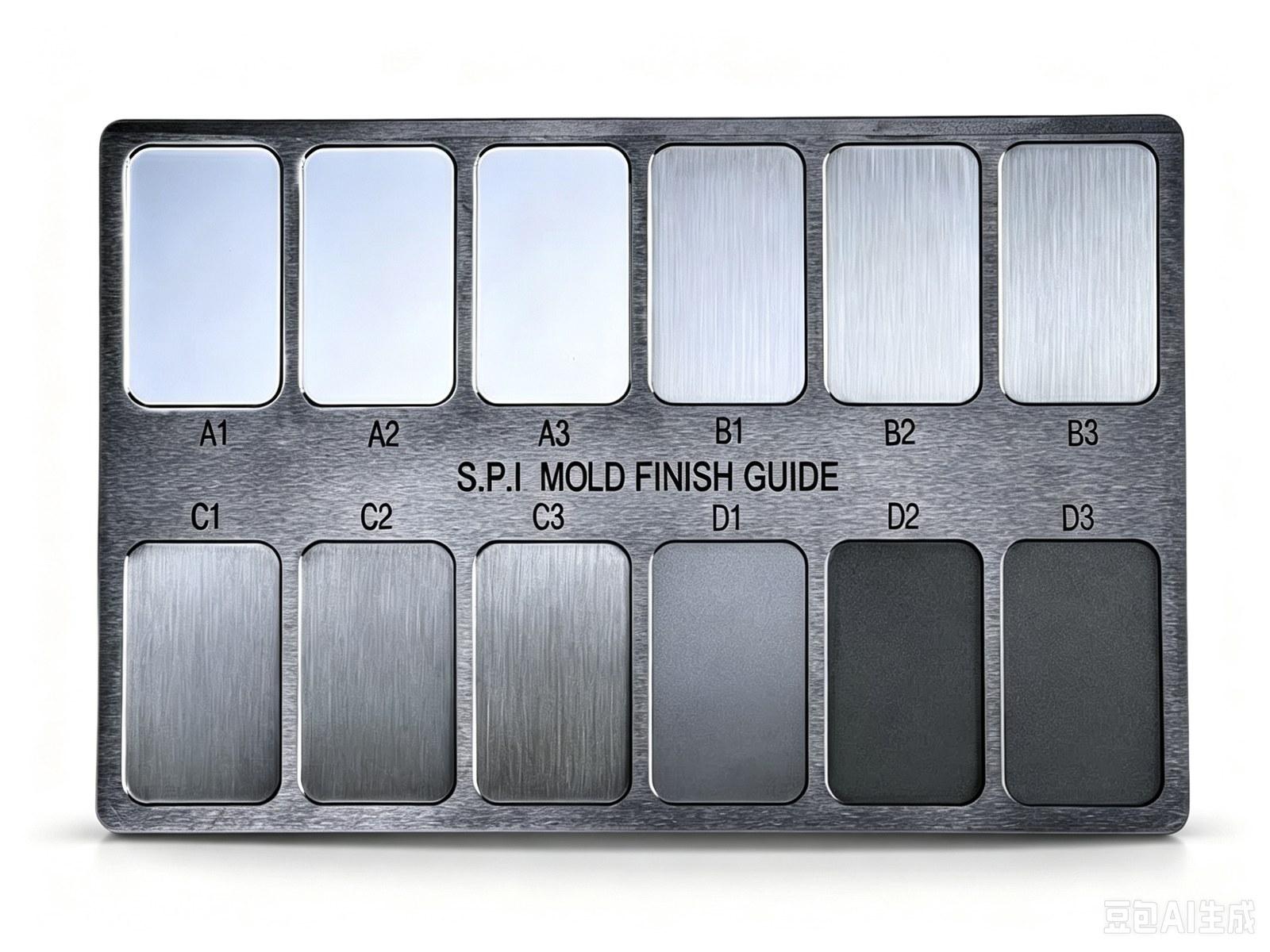
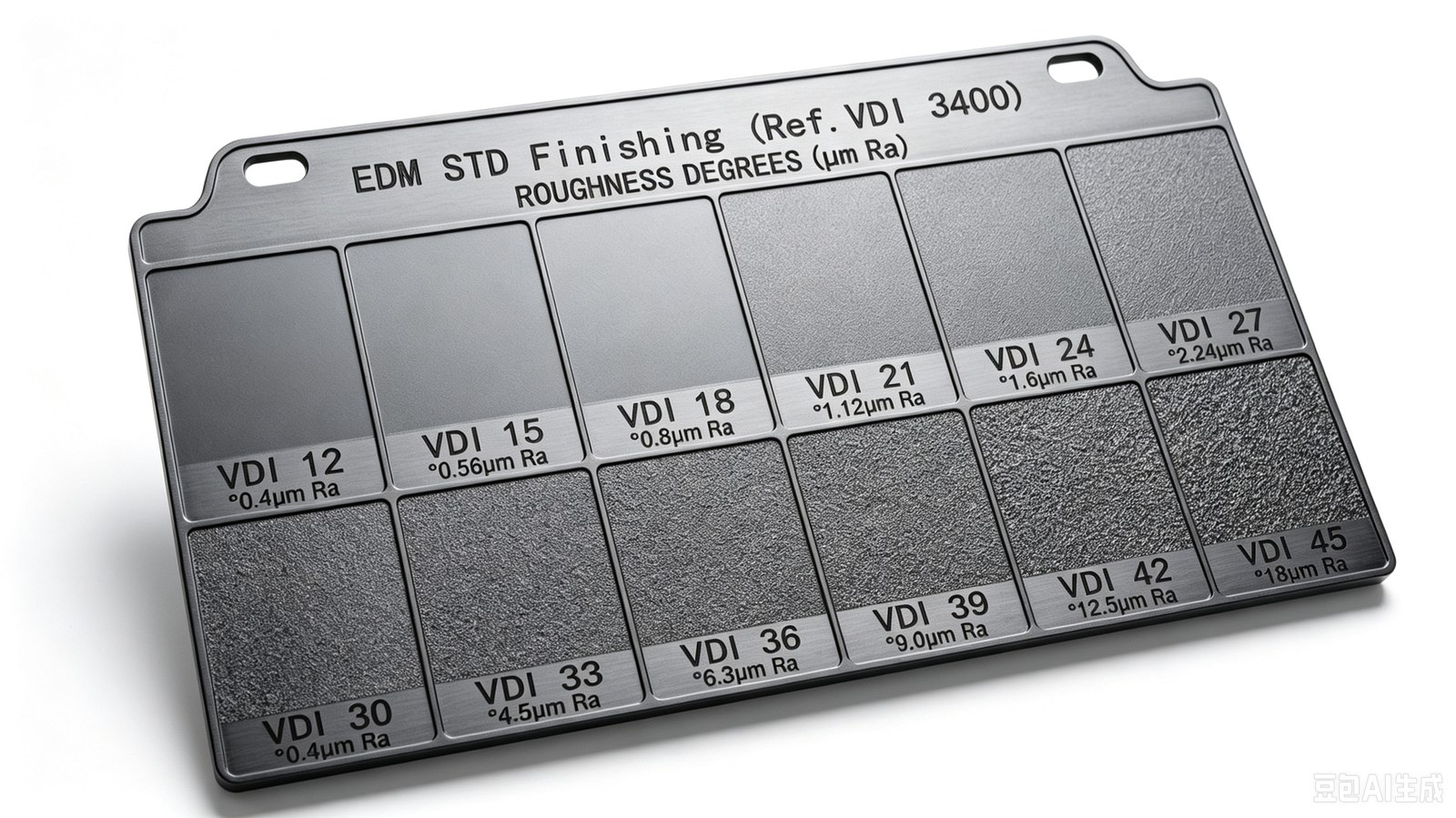
The mold surface largely defines the appearance of the finished part. Surface texture, polish level, material, and draft angle should be considered together before tooling begins.
| Option | Purpose | Typical Use |
|---|---|---|
| Polished Mold Finish (SPI A, SPI B) | Creates smooth or glossy molded surfaces | Transparent parts and visible consumer components |
| Textured Mold Finish (VDI 3400, MT11010) | Adds matte, leather-like, grained, or patterned surfaces | Housings, handles, automotive and consumer products |
| Color Matching | Produces parts in specified resin colors | Branded products and consumer-facing parts |
| Pad Printing | Adds logos, icons, and operating symbols | Controls, electronic housings, product branding |
| Heat Staking | Secures inserts or joins components using heat | Housings, electronic assemblies |
High-gloss and textured surfaces require adequate draft angles. Glass-filled materials, weld lines, and complex geometry can also affect cosmetic appearance. Identify all Class-A or customer-facing surfaces before tooling approval.
How Does the Injection Molding Process Work?
- Upload Your Design — Submit your 3D model, 2D drawing, resin, quantity, color, finish, and quality requirements.
- Tooling Quote & DFM — Receive a tooling moldability recommendation, pricing, and lead-time estimate.
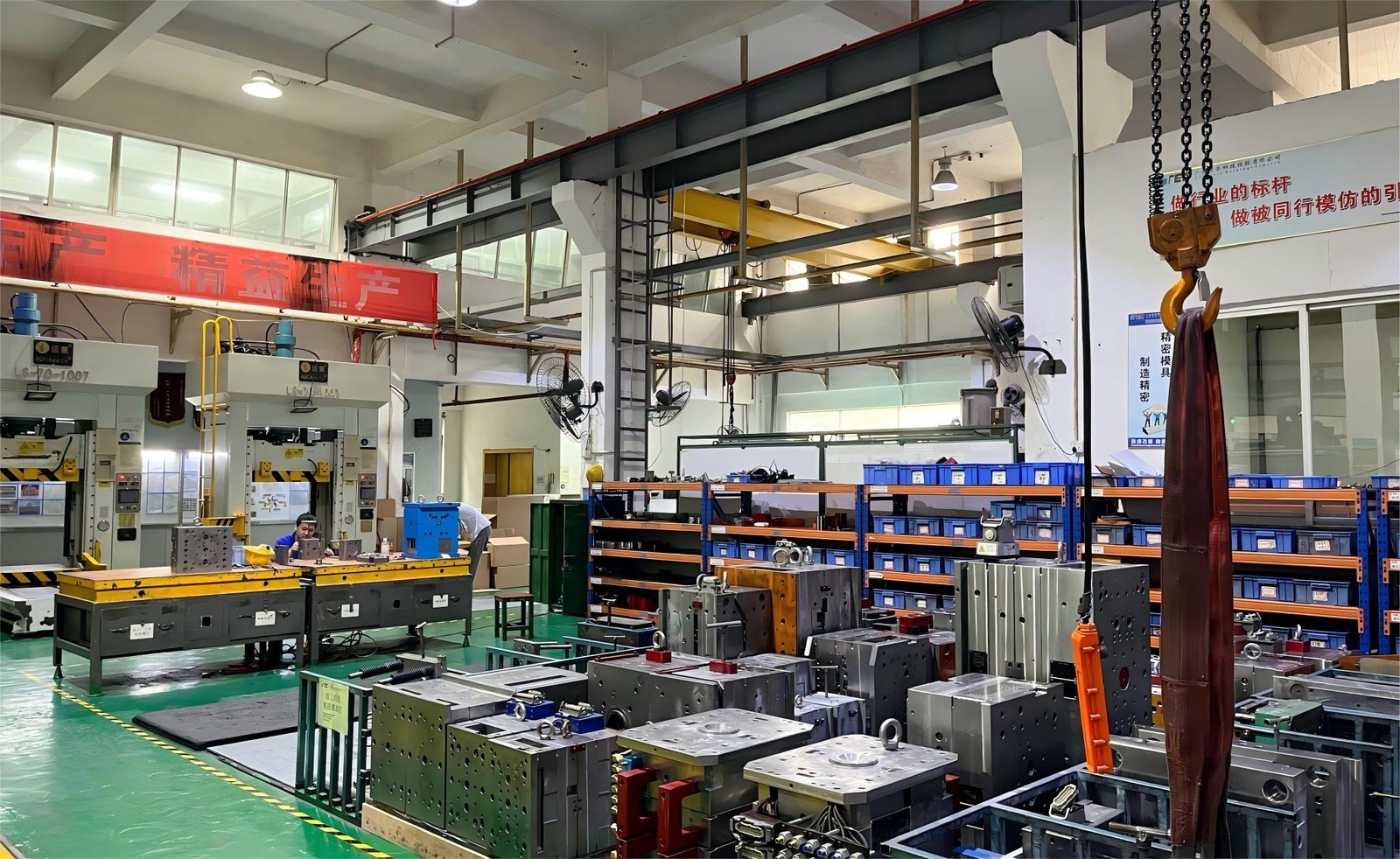
- Mold Manufacturing — The mold is manufactured, assembled, and prepared for trial production.
- T1 Sampling & Validation — Initial samples are reviewed for dimensions, appearance, assembly, and functional performance.
- Production & Quality Inspection — Approved parts move into production with agreed quality controls.
- Packaging & Delivery — Finished components are packed to protect cosmetic surfaces and maintain lot traceability where required.
Injection Molding Capabilities
| Standards | Description |
|---|---|
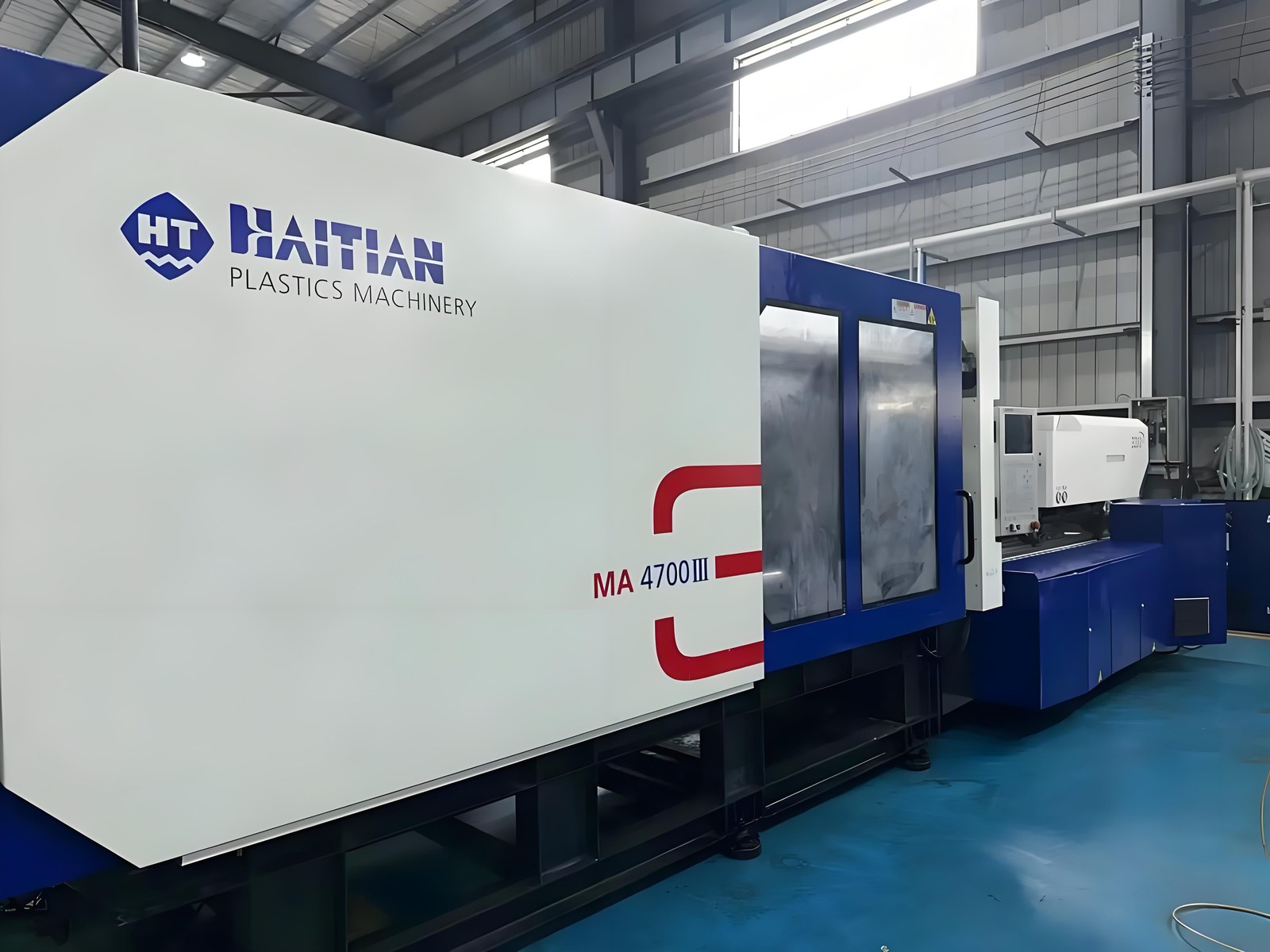
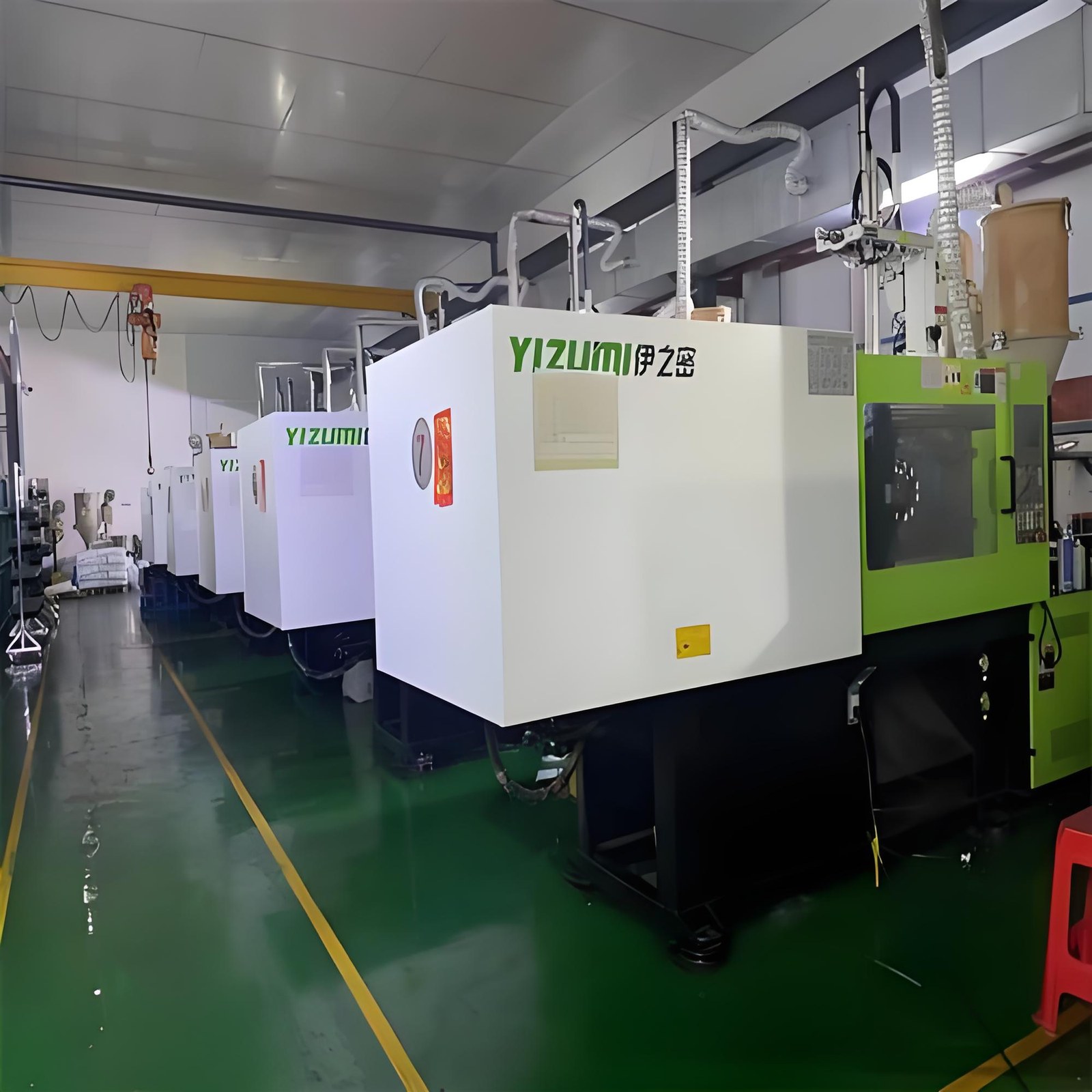
| Machine size | 30 to 1,000 tons |
| Mold Type | Aluminium and steel (various grades) |
| Shot life | 500 to 100K+ shots |
| Part Tolerance | ±0.1 mm |
Design Tips for Injection Molded Parts
- Maintain Uniform Wall Thickness — Even wall thickness improves filling, cooling, dimensional stability, and cosmetic quality. Thick sections may increase sink-mark risk and cycle times.
- Add Adequate Draft Angles — Draft helps the part release cleanly. More draft is generally needed for textured surfaces, deep walls, and cosmetic features.
- Use Ribs Instead of Thick Walls — Ribs add stiffness without creating heavy sections that may lead to sinks, voids, or warpage.
- Review Undercuts Carefully — Sliders, lifters, collapsible cores, or secondary operations may be required, adding mold complexity and cost.
- Consider Shrinkage and Tolerance Together — Resin shrinkage varies by material, fillers, geometry, processing conditions, and part thickness. Identify critical dimensions early.
FAQ
What causes sink marks in injection molded parts?
Sink marks are often associated with thick sections, heavy bosses, ribs that are too thick, uneven cooling, or material shrinkage. Design review can reduce this risk before tooling.
Can you add metal inserts to plastic parts?
Yes. Metal inserts can be incorporated through insert molding or installed in a secondary heat-staking process, depending on the design and performance requirements.
Can injection molded parts have logos or textures?
Yes. Logos, text, textures, polished surfaces, and matte finishes can be incorporated through mold design or secondary processes such as pad printing and laser marking.
What is the minimum order quantity for injection molding?
There is no universal minimum order quantity. The practical quantity depends on the part design, tooling type, material, and project economics.
How long does injection mold tooling take?
Tooling lead time depends on part size, mold complexity, number of cavities, undercuts, texture, material, and validation requirements. Submit your design for a project-specific estimate.
What is injection molding best used for?
Injection molding is ideal for repeatable plastic parts with stable designs, especially when consistent quality, integrated features, and scalable production are required.
“
Frequently Asked Questions
We specialize in multi-axis CNC machining (3-axis, 4-axis, 5-axis) and can achieve standard tolerances of ±0.02mm (±0.001″), with tighter tolerances available upon request. We work with a wide range of metals and engineering plastics.
We accept STEP, IGES, X_T, SLDPRT, and DWG/DXF files. 2D drawings with critical dimensions and tolerances are highly recommended alongside 3D files for accurate and efficient quotation.
Lead time depends on part complexity and order quantity. Standard prototypes can be delivered in 5-10 business days. For production runs, typical lead time is 2-4 weeks. Rush services are available for urgent projects.
Yes. We offer a full suite of post-processing services including anodizing, powder coating, plating, polishing, sandblasting, heat treatment, and assembly. We can deliver parts ready for final use.
We implement strict quality control at every stage: from material certification, in-process inspections (IPQC) to final quality checks using tools like CMM, calipers, and micrometers. First Article Inspection (FAI) reports and material certifications are provided with shipments.
Client IP protection is our top priority. We are willing to sign Non-Disclosure Agreements (NDAs) and have secure data management systems in place. Your drawings and designs will never be shared with third parties.
Reliable CNC Machining Solutions
We focus on delivering high-quality CNC machined parts with efficient production to meet your exact requirements.