
Materials
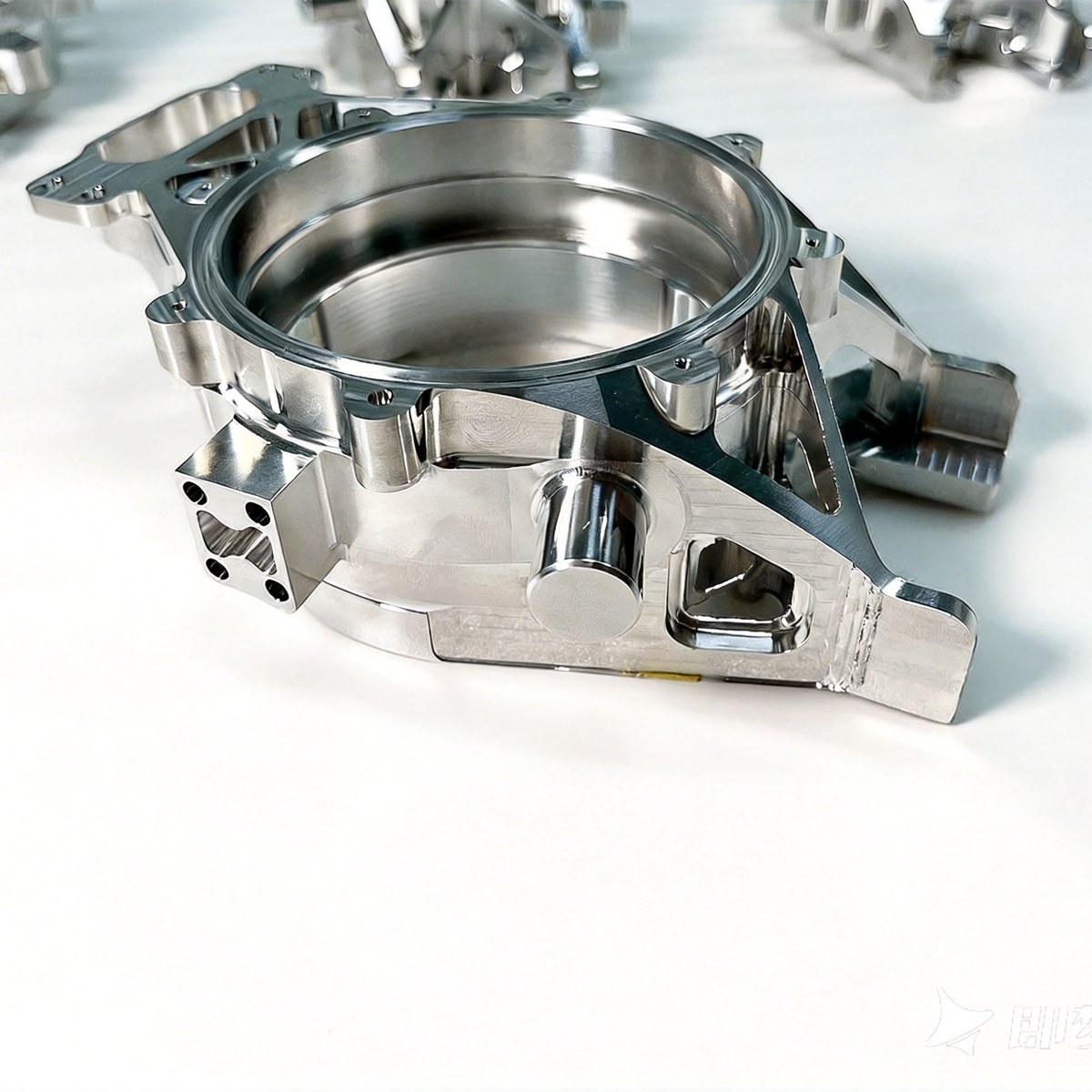
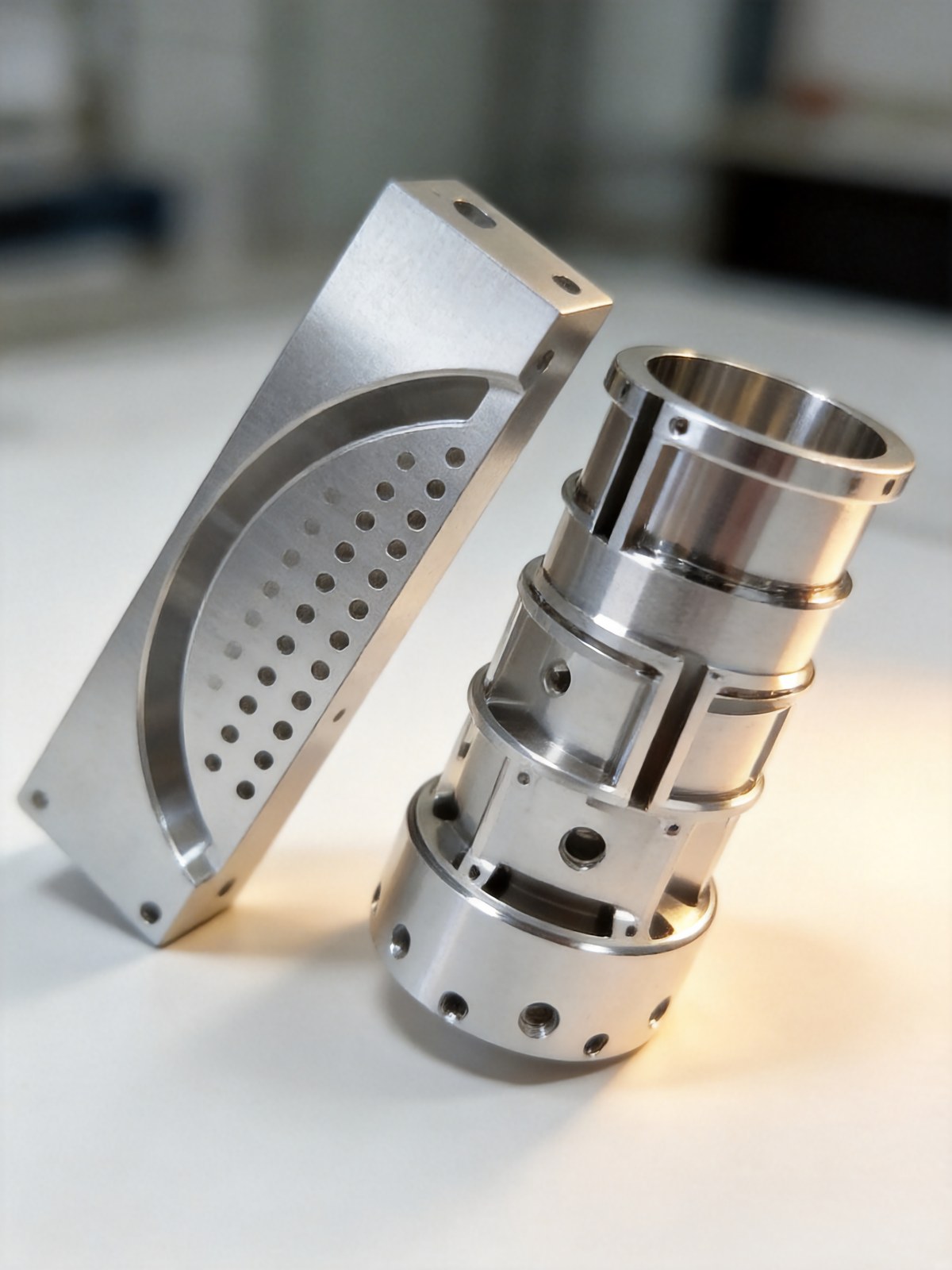
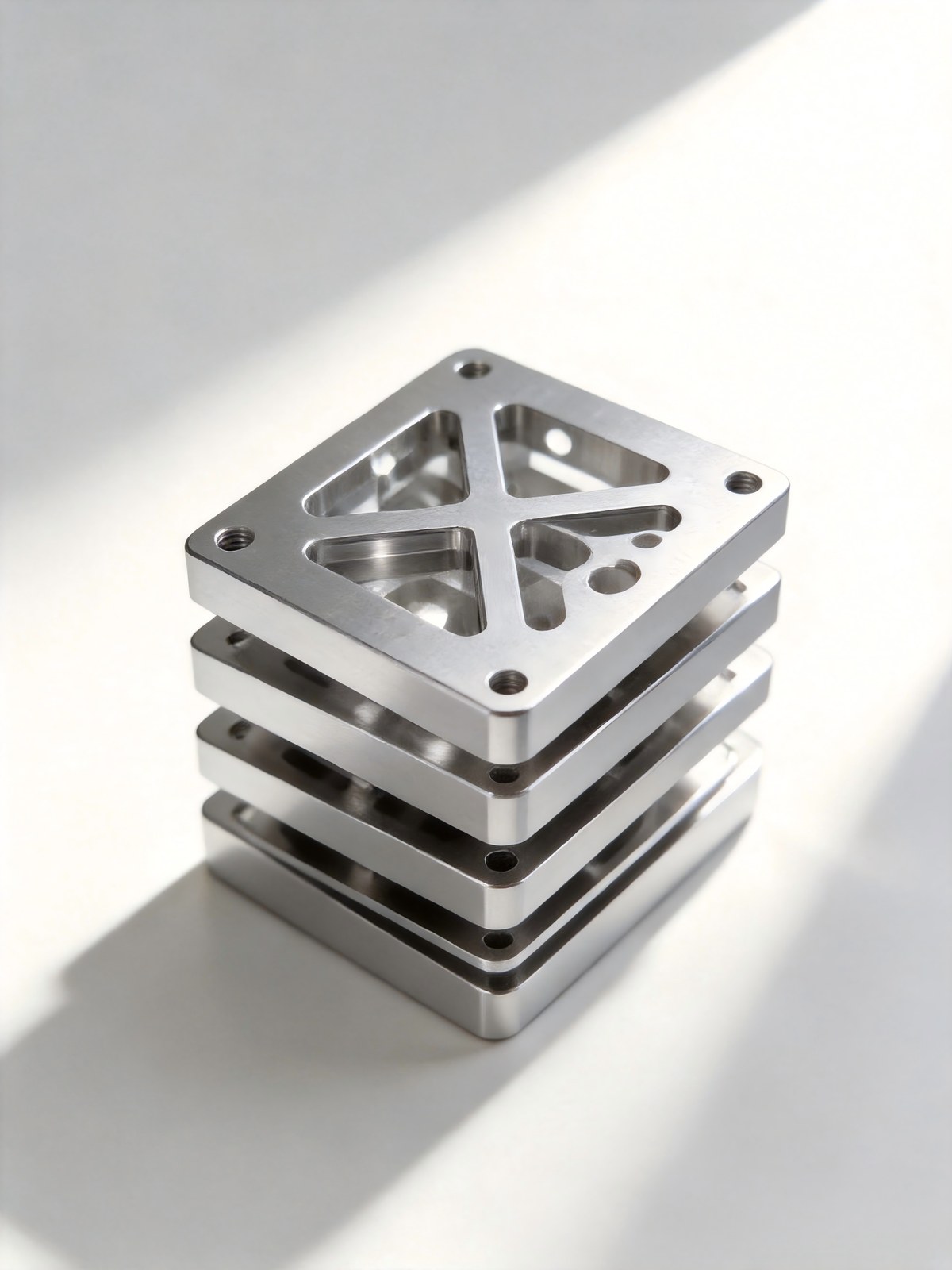
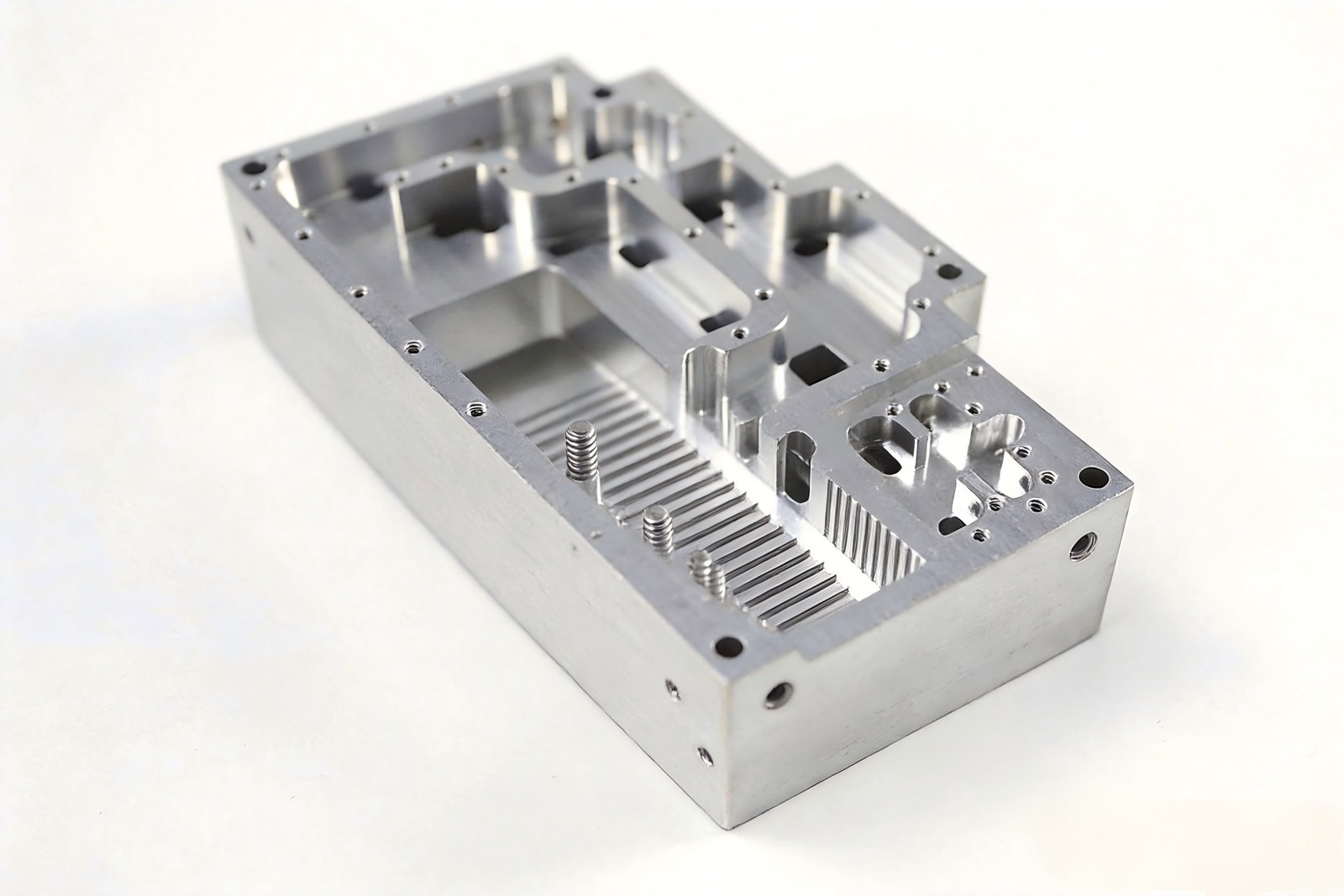
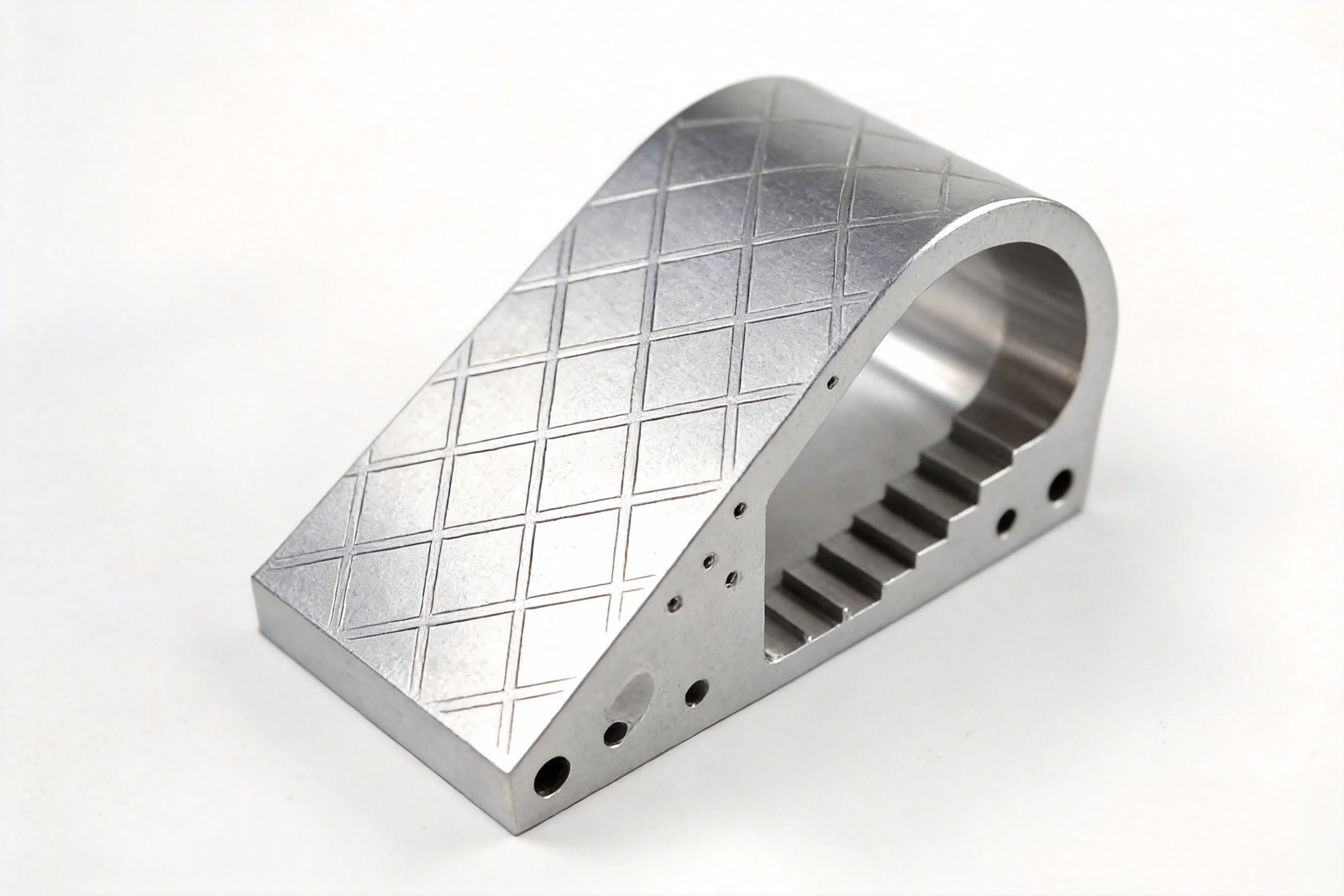
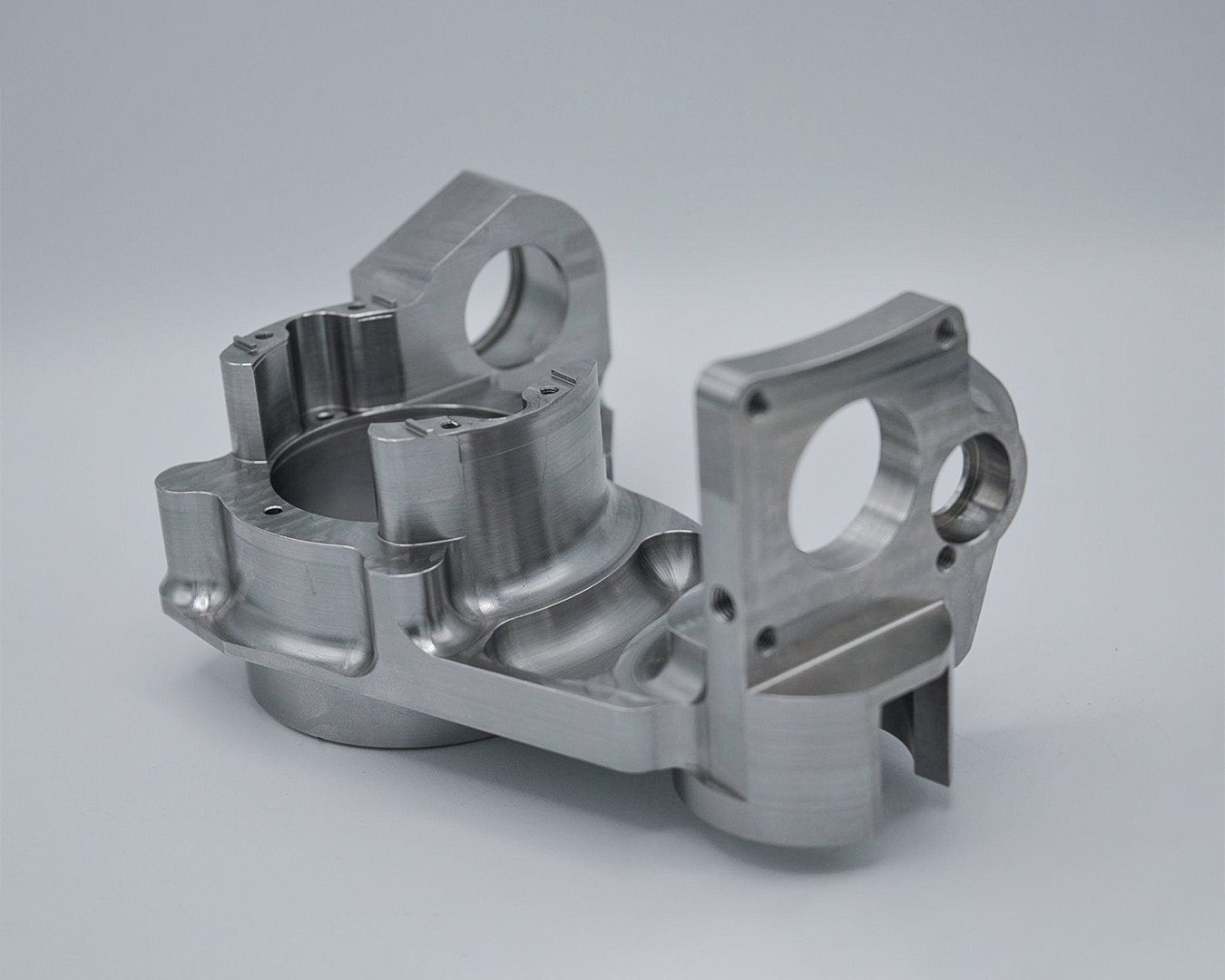
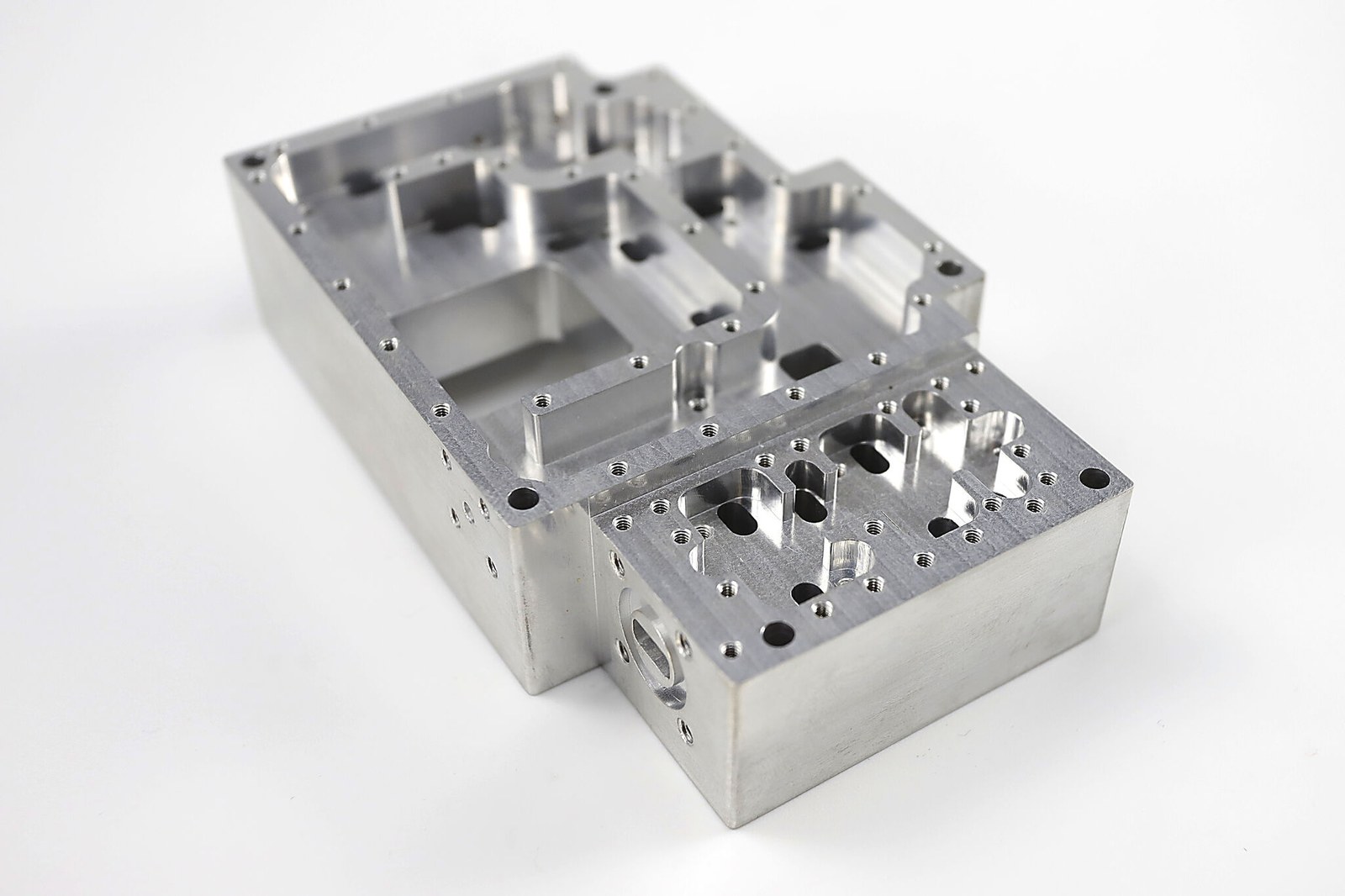
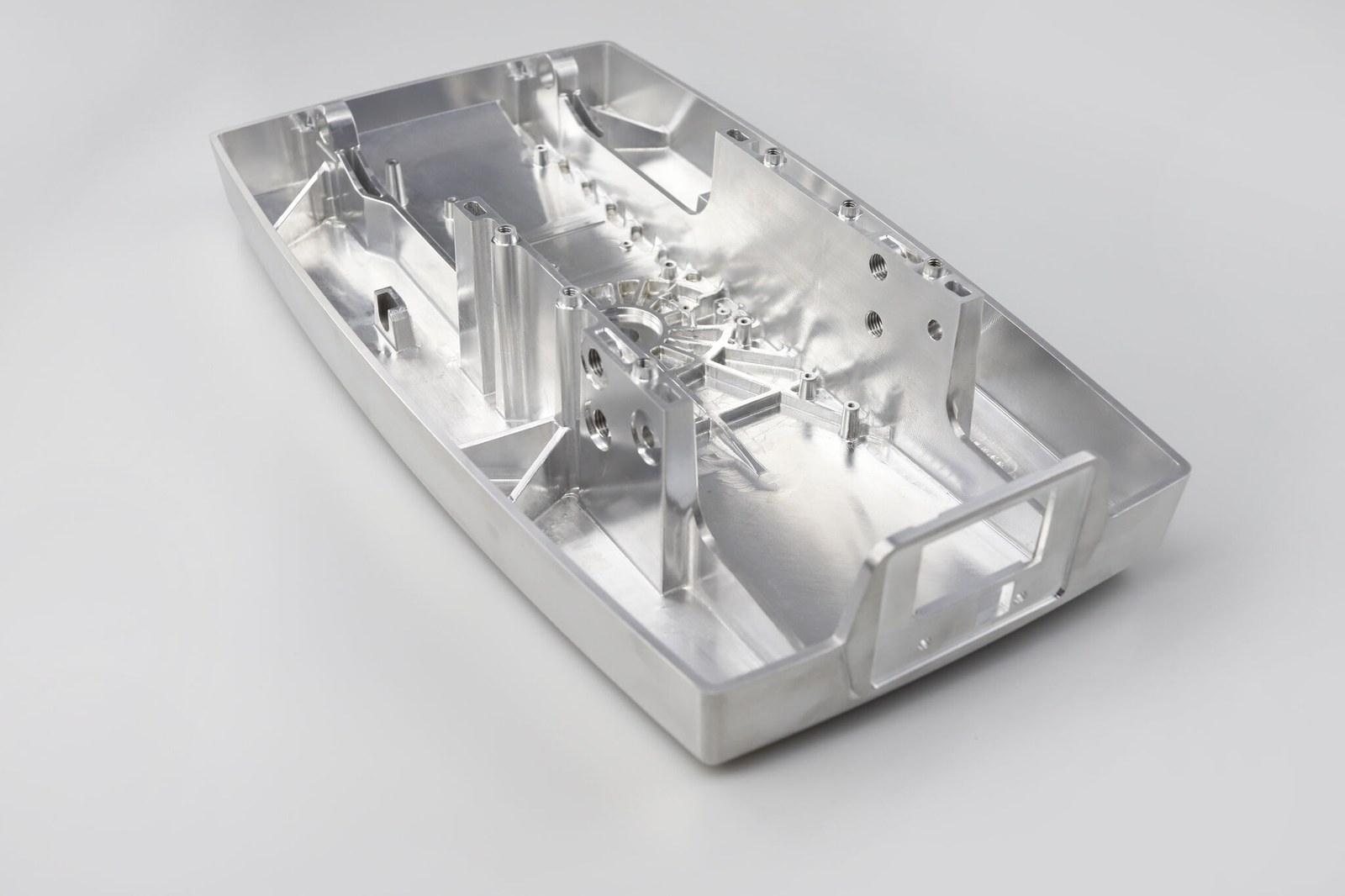
CNC Milling Services
“High-quality custom milled parts made from metal and plastic with tight tolerances down to ±0.005mm. From rapid prototyping to high-volume production, delivered on time.”
”
CNC Milling Services for Custom Parts
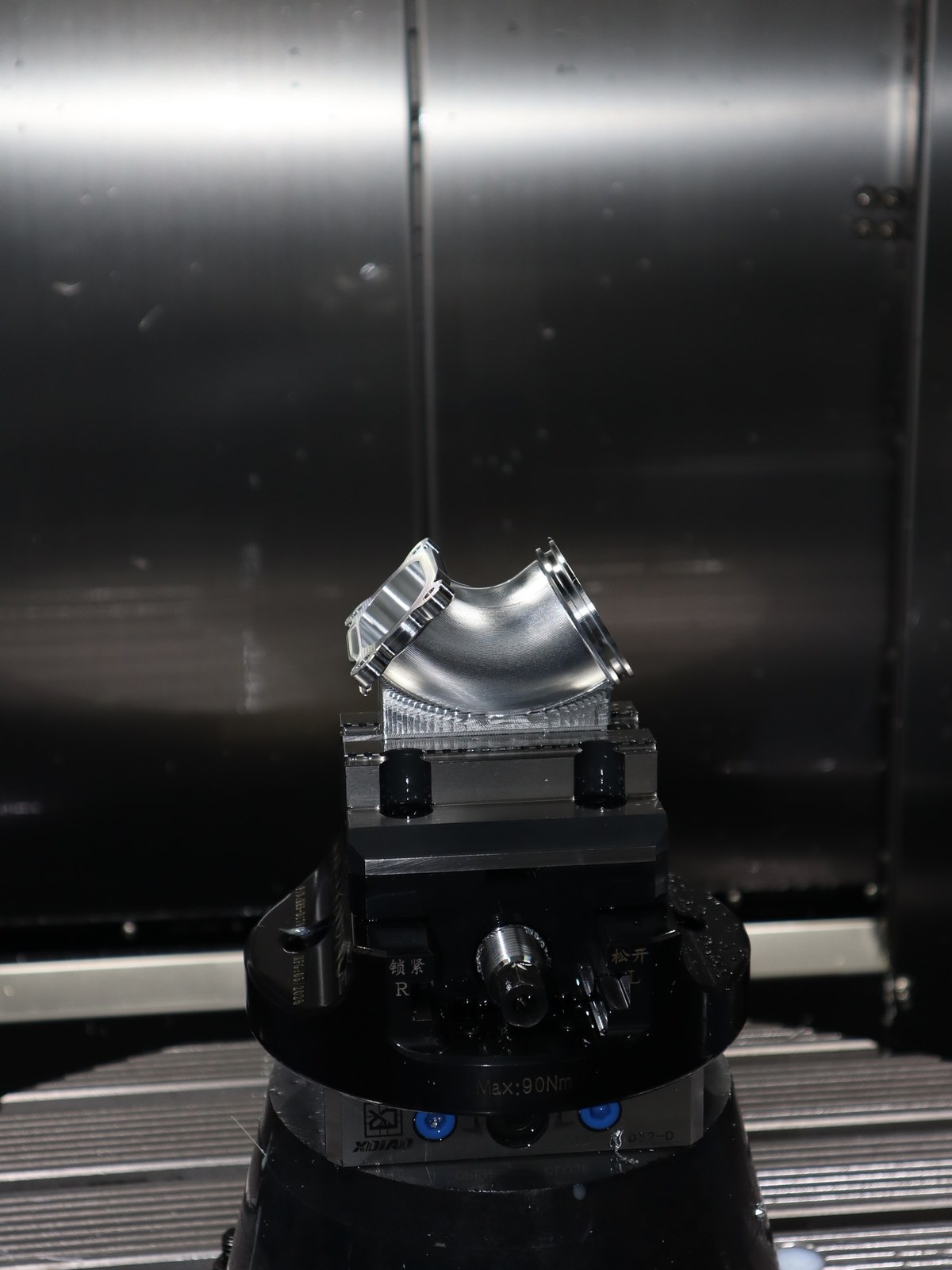
We utilize state-of-the-art 3-axis, 4-axis, and 5-axis CNC milling centers to transform your designs into highly accurate parts from a wide range of plastics and metals.
Our CNC Milling Capabilities
- 3-Axis Milling Services — Cost-effective, standard CNC milling for parts without complex multi-angle features. Best for flat parts, plates, brackets, housings, pockets, and simple prismatic components.
- 4-Axis Milling Services — Multi-sided machining in a single setup. Best for parts with side features, cylindrical profiles, cam-like forms, and multi-sided details.
- 3+2-Axis Milling Services — Enables complex features with stable machining and efficient setups. Best for angled holes, inclined faces, and multi-face components.
- 5-Axis Milling Services — Workpiece access from any angle with exceptional precision for impellers, aerospace parts, and other highly complex curved-surface components.
Advantages of CNC Milling
- Accelerated Speed-to-Market & Short Lead Times — Move from digital 3D models to finished parts in hours, without costly tooling.
- Superior Precision & Structural Integrity — Tight tolerances within ±0.005mm; native mechanical strength and thermal properties are preserved.
- Complex Geometries in a Single Setup — Multiple axes reduce manual re-clamping, lower cumulative errors, and reduce labor cost.
- Optimized Material Yield & Cost Efficiency — Smart tool engagement and short cycle times for a competitive cost-per-part across low- to high-volume runs.
Materials for CNC Milling
Plastics
| Material | Key Properties | Typical Applications |
|---|---|---|
| ABS (Beige, Black, Milky White, PC+ABS) | Lightweight, good resistance to heat and impact | Automotive components, consumer goods, prototypes |
| PC (Black, Transparent, White, PC+GF30 Black) | Transparent, high impact resistance, durable | Protective gear, housings |
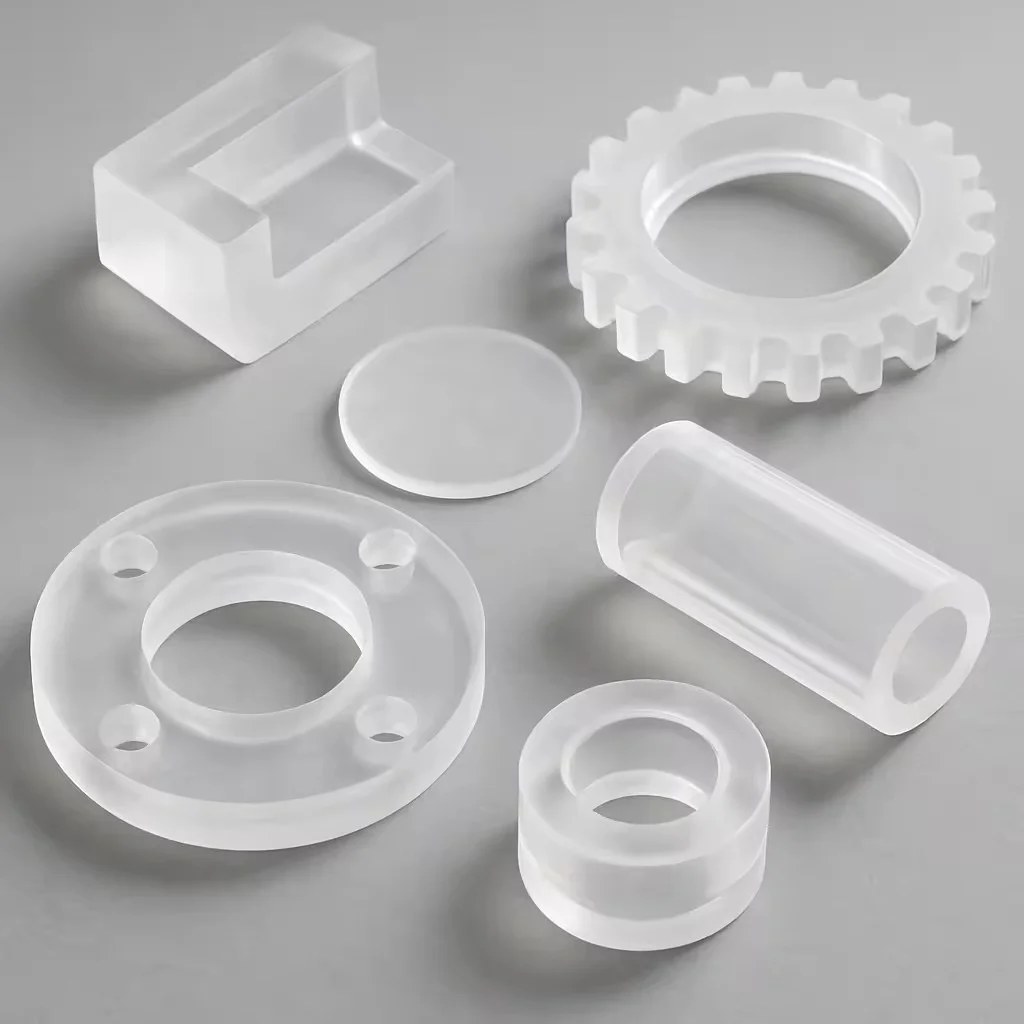
| Acrylic (Black, Transparent, White) | High transparency, weather resistance | Optical lenses, display stands, medical devices |
| HDPE (Black, White) | Excellent toughness, outstanding chemical & impact resistance | Outdoor equipment, chemical vessel components |
| POM (Black, Blue, White) | High strength & rigidity, low friction, good dimensional stability | Precision gears, bearings, structural fasteners |
| PP (Black, White, PP+GF30 Black) | Low density, high flexural strength, good chemical resistance | Automotive parts, container shells |
| Nylon (Blue, PA6+GF15 Black, PA6+GF30 Black, PA66 Beige, PA66 Black) | Excellent wear & corrosion resistance, shock absorption | Automotive engine, bushings |
| PVC (Grey) | Excellent electrical insulation, flame retardancy, low cost | Pipe fittings, valve bodies, insulating junction boxes |
| Teflon (Black, White) | Outstanding chemical resistance, low friction, wide operating temperature | Gaskets, semiconductor piping fittings |
| PEEK (Beige, Black) | High temperature resistance, strength, excellent biocompatibility | Aerospace connectors, semiconductor, implantable medical devices |
Metals
| Material | Key Properties | Typical Applications |
|---|---|---|
| Aluminum (6061, 6061-T6, 2024, 5052, 5083, 6063, 6082, 7075, 7075-T6) | Lightweight, excellent machinability | Aerospace, automotive parts, drones |
| Stainless Steel (SUS303, SUS 304, AISI 304, SUS316, SUS316L, SUS420, SUS430) | Corrosion resistance, high strength & hardness | Medical devices, food processing equipment, marine fasteners |
| Steel (1018, 1045, 4140, 4130, 8620, A36, 45) | High tensile strength, durability | Automotive industries, gears, construction |
| Copper (C101/T2, C103/T1, C103/TU2, C110/TU0) | Superior electrical & thermal conductivity, great ductility | Electrical components, heat exchangers |
| Brass (C27400, H59) | Durable, excellent cutting performance, low friction | Plumbing valves, electronic contact pins |
| Titanium (TA1, TA2, TC4/Ti-6Al-4V) | Highest strength-to-density ratio, corrosion & fatigue resistance | Human implants, aero-engine blades, marine |
Surface Finishing
| Finish | Specification | Main Benefits |
|---|---|---|
| As Machined | Surface roughness Ra 3.2 μm and Ra 1.6 μm without additional finishing | Faster production time, cost-effective, ideal for parts with strict dimensional tolerances |
| Anodizing | Type II and Type III, thickness 8–12 μm to 35–50 μm | Improves appearance and performance, various color options |
| Sand Blasting | Different shapes, degree of hardness, sizes from #120 to #220 | Precise and cost-effective; promotes adhesion of coating and painting |
| Alodine | MIL-DTL-5541 Type 1 & Type 2, thickness 0.00001–0.00004 inches, clear color | Preserves precision, promotes corrosion resistance, paint adhesion, and electrical conductivity |
| Powder Coating | Thickness 50–150 μm, various color options | Provides protection against rust and corrosion, enhances lifecycle |
| Heat Treatment | Hardening, tempering, annealing, normalizing; overall hardness 48–62 HRC | Enhanced mechanical properties—hardness, strength, and durability |
Applications of CNC Milling
| Industry | Typical Parts |
|---|---|
| Aerospace & Defense | Structural brackets, hydraulic fluid manifolds (Ti-6Al-4V), aviation-compliant components |
| Automotive | Custom motor housings, battery cooling plates, engine components |
| Medical Devices | Ergonomic surgical instruments, imaging hardware enclosures |
| Robotics & Industrial Automation | Rigid structural components for repeatable precision in automated lines |
| Optical & High-End Consumer Electronics | Aluminum enclosures, heat sinks with ultra-thin fins, precision optical mounts |
Design Tips for Cost-Effective Milling Parts
- Use Practical Internal Corner Radii — Cutting tools are round; sharp internal corners are not possible.
- Avoid Extremely Deep, Narrow Pockets — Long tools reduce rigidity, increase cycle time, and affect surface finish.
- Keep Wall Thickness Reasonable — Thin walls may flex, especially in aluminum and plastics.
- Mark Cosmetic and Functional Surfaces — Identify visible surfaces, sealing faces, mating areas, and critical hole patterns.
FAQ
Is 5-axis machining always the best choice?
Not necessarily. While 5-axis machining is highly capable, 3-axis or 4-axis machining may be more economical for simpler parts. The ideal choice depends on your part geometry and requirements.
What materials can be CNC milled?
CNC milling can process aluminum, steel, stainless steel, brass, copper, titanium, ABS, POM, nylon, PC, PMMA, PEEK, PTFE, and many other engineering materials.
Can CNC milling make production parts as well as prototypes?
Yes. CNC milling is suitable for rapid prototypes, functional test parts, fixtures, bridge production, and low- to medium-volume end-use parts.
Can surface finishes affect part dimensions?
Yes. Anodizing, plating, powder coating, and painting can change surface dimensions. Critical fits, threads, and sealing areas should be identified before production.
Do I need both a 3D model and a 2D drawing?
A 3D model is preferred for geometry review. A 2D drawing is strongly recommended for tolerances, threads, surface roughness, cosmetic requirements, and inspection criteria.
“
Frequently Asked Questions
We specialize in multi-axis CNC machining (3-axis, 4-axis, 5-axis) and can achieve standard tolerances of ±0.02mm (±0.001″), with tighter tolerances available upon request. We work with a wide range of metals and engineering plastics.
We accept STEP, IGES, X_T, SLDPRT, and DWG/DXF files. 2D drawings with critical dimensions and tolerances are highly recommended alongside 3D files for accurate and efficient quotation.
Lead time depends on part complexity and order quantity. Standard prototypes can be delivered in 5-10 business days. For production runs, typical lead time is 2-4 weeks. Rush services are available for urgent projects.
Yes. We offer a full suite of post-processing services including anodizing, powder coating, plating, polishing, sandblasting, heat treatment, and assembly. We can deliver parts ready for final use.
We implement strict quality control at every stage: from material certification, in-process inspections (IPQC) to final quality checks using tools like CMM, calipers, and micrometers. First Article Inspection (FAI) reports and material certifications are provided with shipments.
Client IP protection is our top priority. We are willing to sign Non-Disclosure Agreements (NDAs) and have secure data management systems in place. Your drawings and designs will never be shared with third parties.
Reliable CNC Machining Solutions
We focus on delivering high-quality CNC machined parts with efficient production to meet your exact requirements.