
Materials
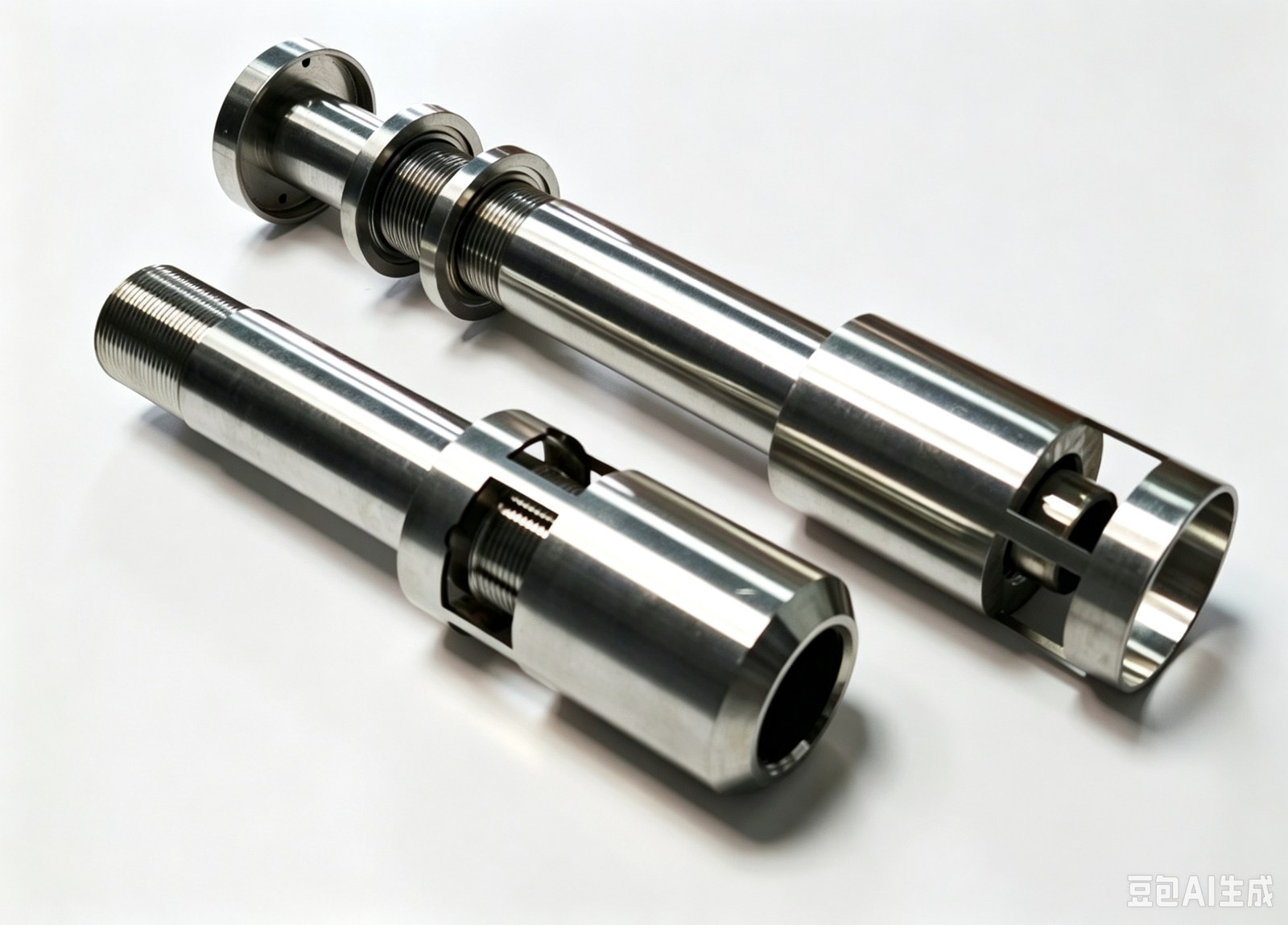
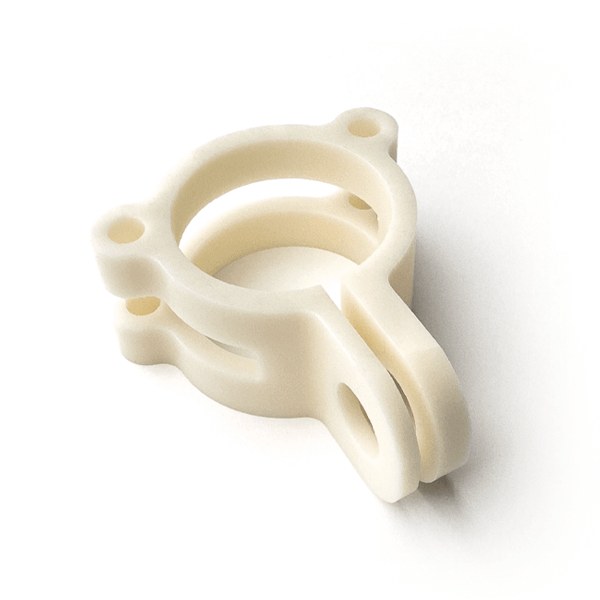
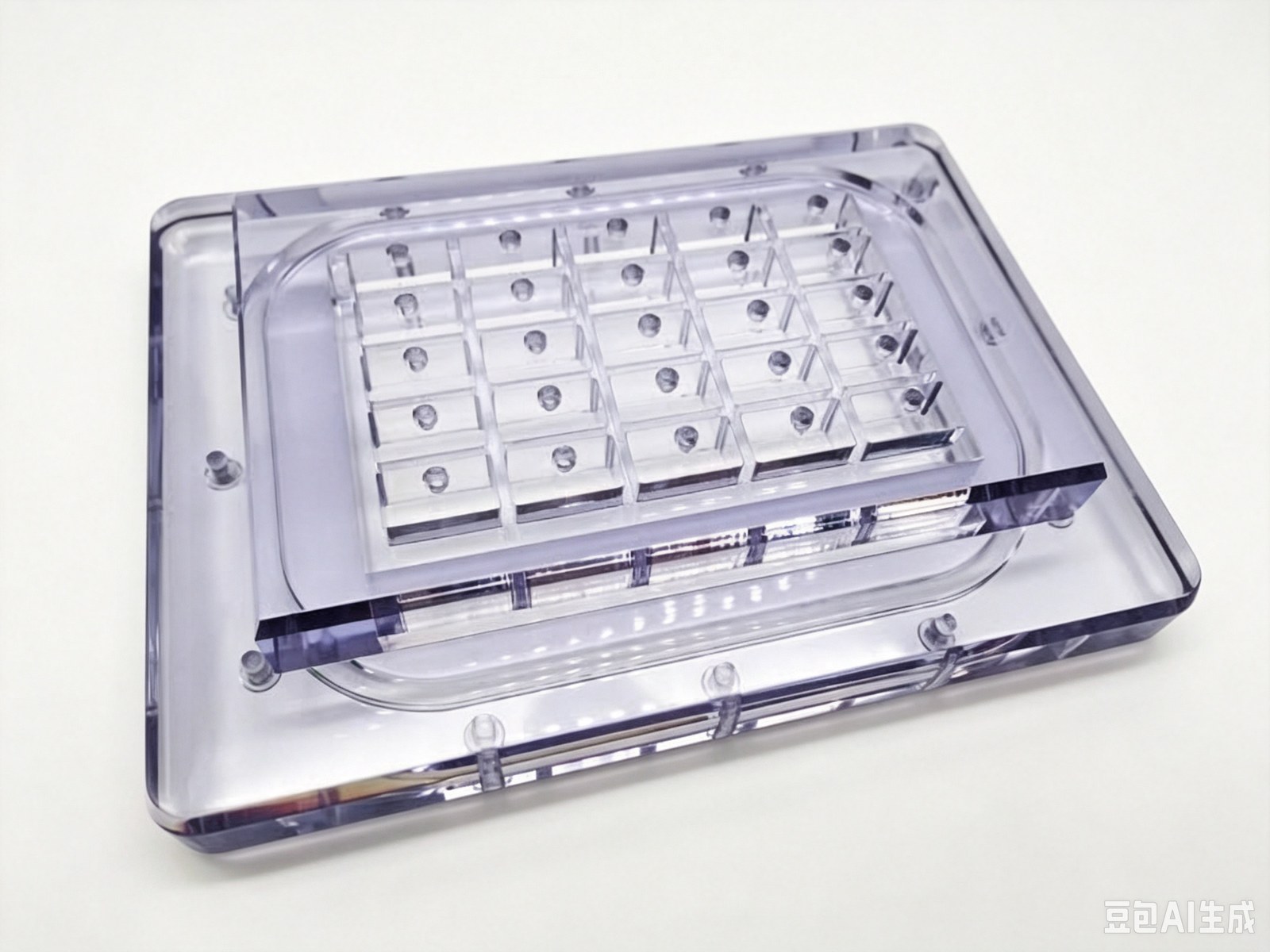
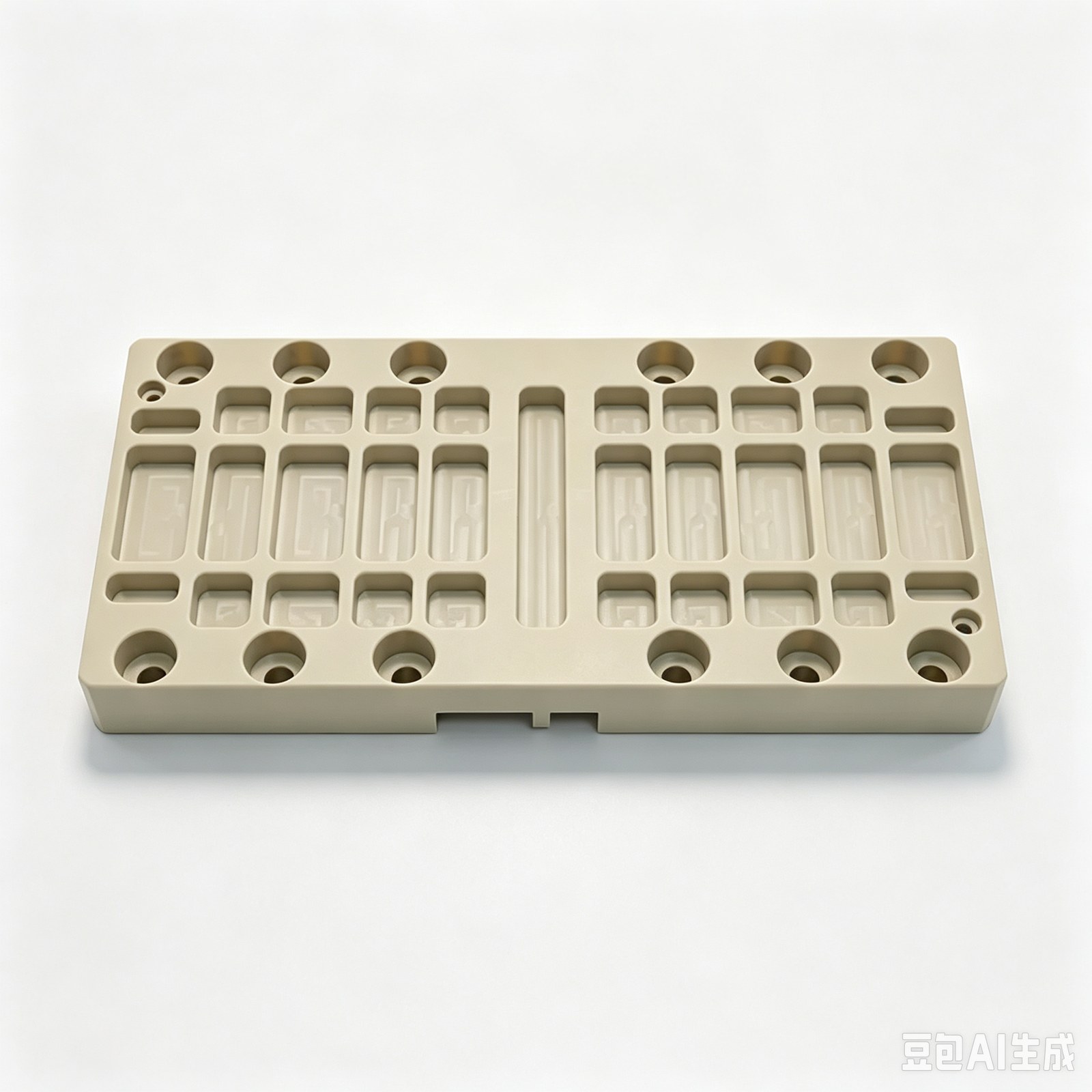
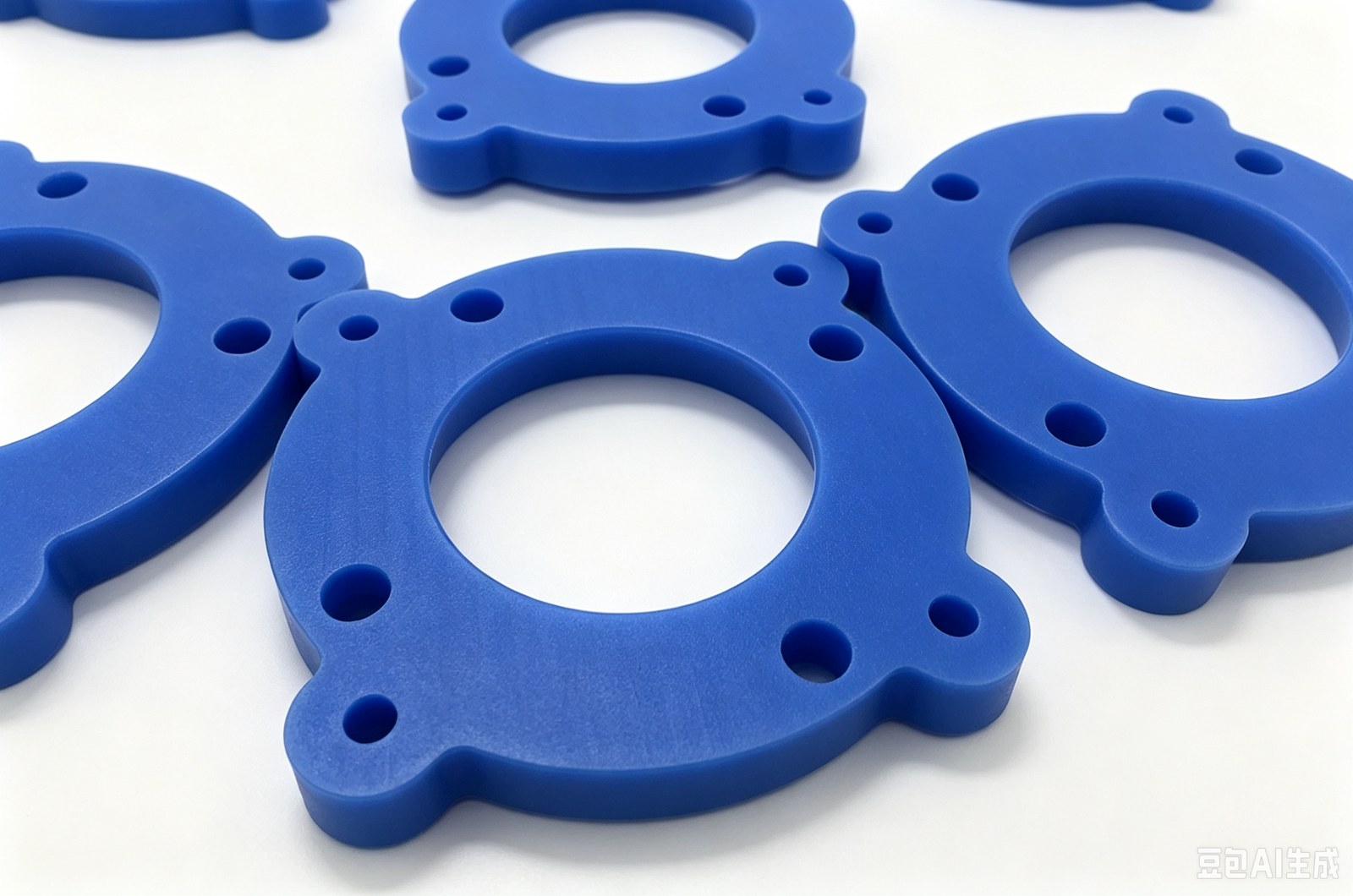
CNC Machining Materials — Metals & Plastics for Custom Parts
“Compare CNC-compatible metals (aluminum, steel, stainless, copper, brass, titanium) and engineering plastics (ABS, PC, POM, PEEK, Nylon, PTFE). Select the right material for your custom-machined parts with confidence.”
”
CNC Machining Materials — Metals & Plastics for Custom Parts
Choose from a broad range of CNC-compatible metals and engineering plastics to balance strength, weight, corrosion resistance, heat resistance, machinability, and cost. Hetop supports everything from low-volume prototyping to mass production with full material traceability.
CNC Metals
| Material | Key Properties | Typical Applications |
|---|---|---|
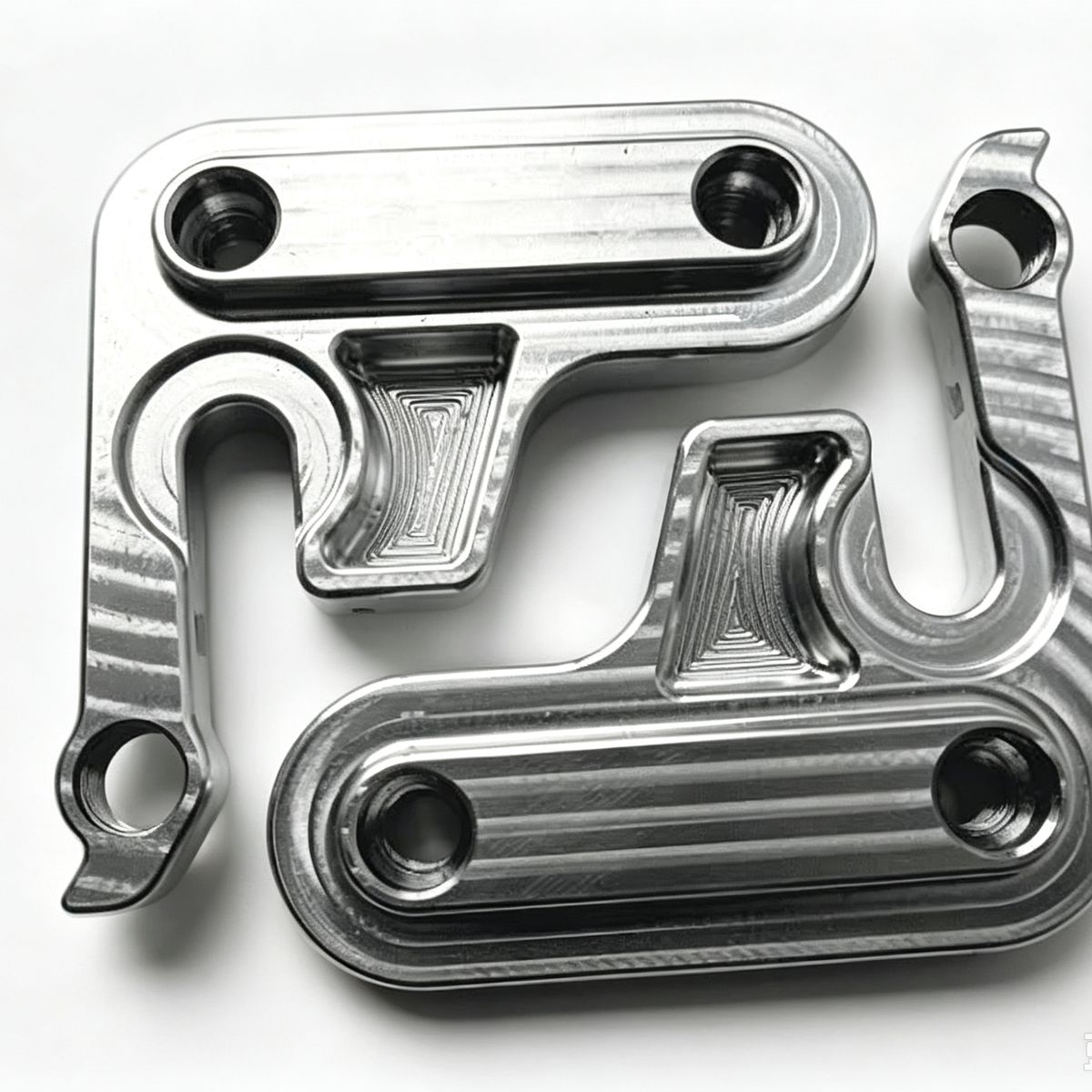
| Aluminum (6061, 6061-T6, 2024, 5052, 5083, 6063, 6082, 7075, 7075-T6) | Lightweight, excellent machinability | Aerospace, automotive parts, drones |
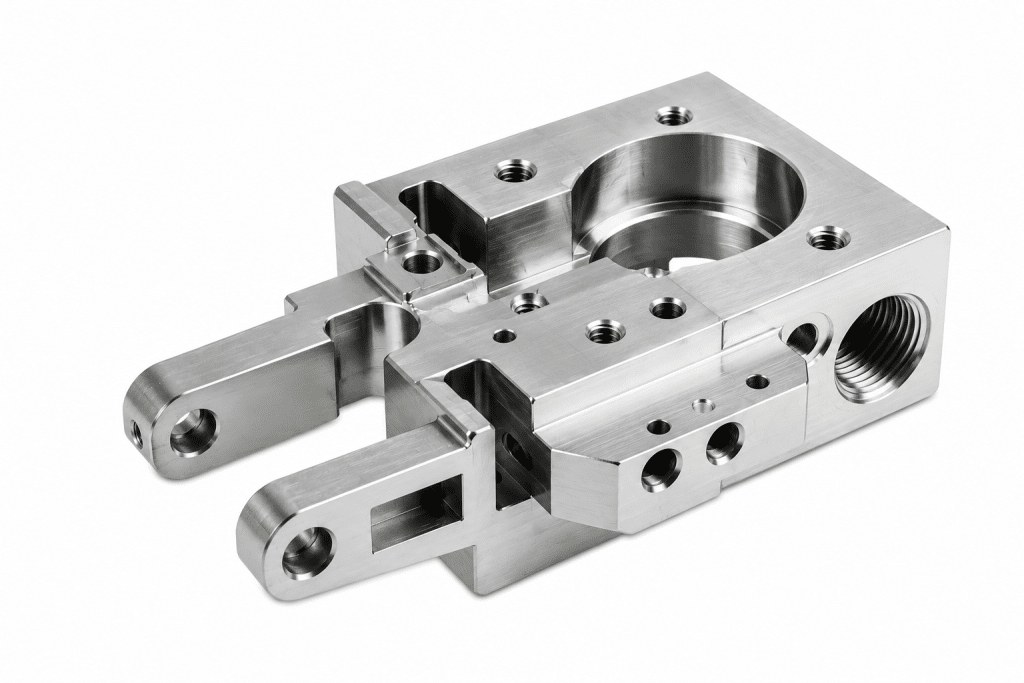
| Stainless Steel (SUS303, SUS 304, AISI 304, SUS316, SUS316L, SUS420, SUS430) | Corrosion resistance, high strength & hardness | Medical devices, food processing equipment, marine fasteners |
| Steel (1018, 1045, 4140, 4130, 8620, A36, 45) | High tensile strength, durability | Automotive, gears, construction |
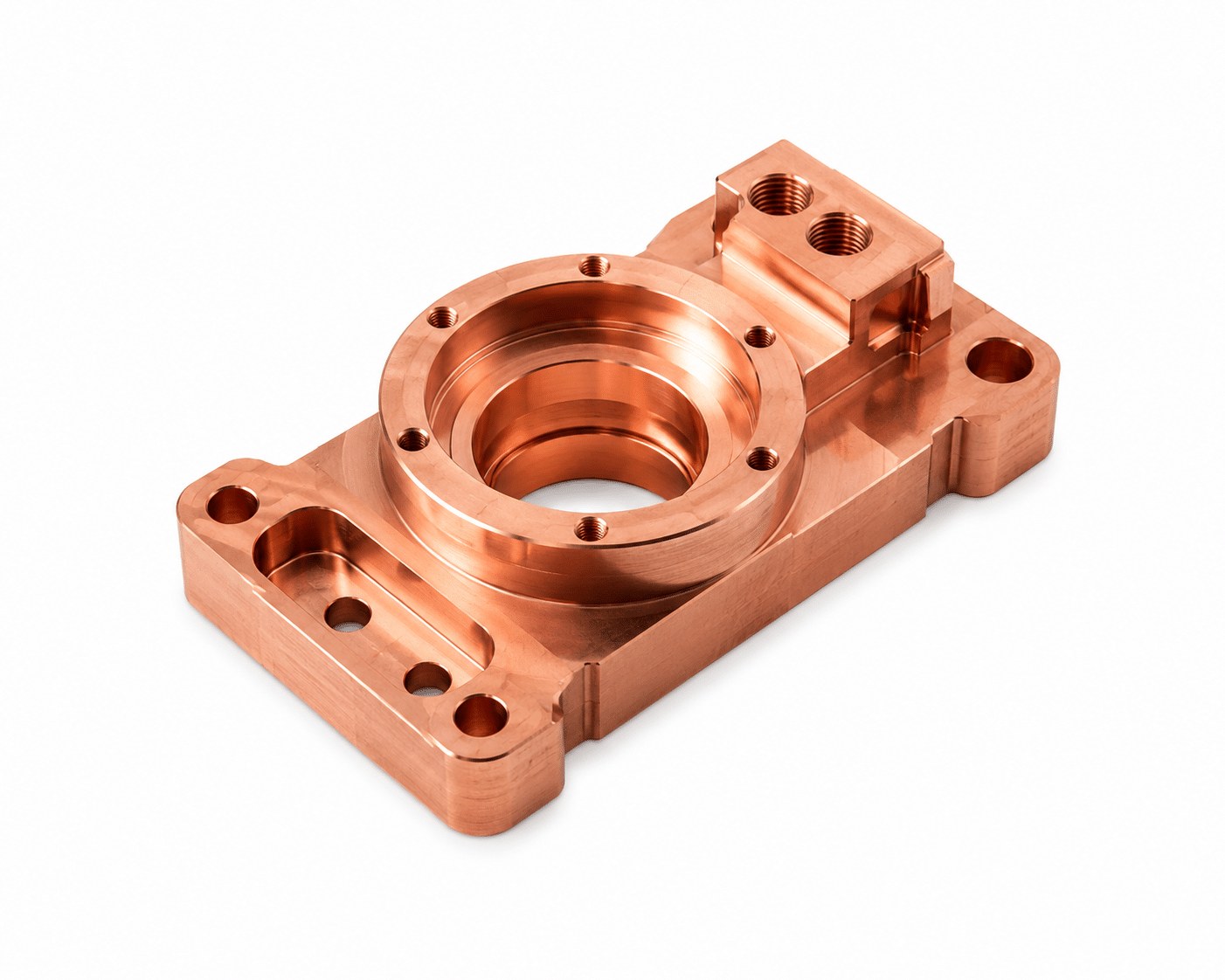
| Copper (C101/T2, C103/T1, C103/TU2, C110/TU0) | Superior electrical & thermal conductivity, great ductility | Electrical components, heat exchangers |
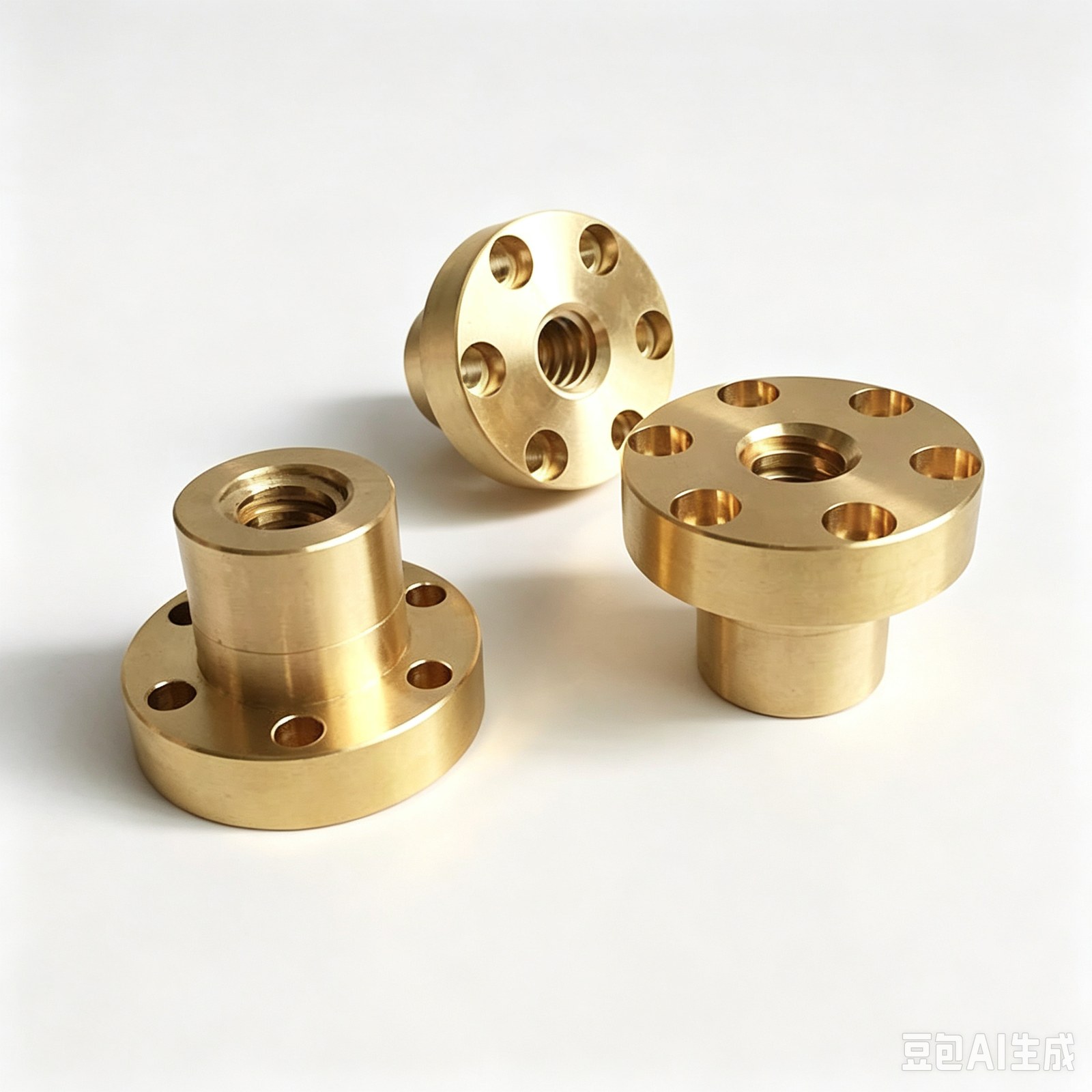
| Brass (C27400, H59) | Durable, excellent cutting performance, low friction | Plumbing valves, electronic contact pins |
| Titanium (TA1, TA2, TC4/Ti-6Al-4V) | Highest strength-to-density ratio, highly corrosion & fatigue resistant | Human implants, aero-engine blades, marine |
CNC Plastics
| Material | Key Properties | Typical Applications |
|---|---|---|
| ABS (Beige, Black, Milky White, PC+ABS) | Lightweight, good resistance to heat and impact | Automotive components, consumer goods, prototypes |
| PC (Black, Transparent, White, PC+GF30 Black) | Transparent, high impact resistance, durable | Protective gear, housings |
| Acrylic (Black, Transparent, White) | High transparency, weather resistance | Optical lenses, exhibition displays, medical devices |
| HDPE (Black, White) | Excellent toughness, outstanding chemical & impact resistance | Outdoor equipment, chemical vessel components |
| POM / Delrin (Black, Blue, White) | High strength & rigidity, low friction, good dimensional stability | Precision gears, bearings, structural fasteners |
| PP (Black, White, PP+GF30 Black) | Low density, high flexural strength, good chemical resistance | Automotive parts, container shells |
| Nylon / PA (Blue, PA6+GF15/GF30 Black, PA66 Beige/Black) | Excellent wear & corrosion resistance, shock absorption | Automotive engine, bushings |
| PVC (Grey) | Excellent electrical insulation, flame retardancy, low cost | Pipe fittings, chemical valve bodies, junction boxes |
| Teflon / PTFE (Black, White) | Outstanding chemical resistance, low friction, wide operating temperature | Gaskets, semiconductor piping fittings |
| PEEK (Beige, Black) | High temperature resistance, strength, excellent biocompatibility | Aerospace connectors, semiconductor, implantable medical devices |
How to Choose a CNC Material
- Mechanical load & strength — high-stress parts favor steel, titanium, or 7075 aluminum.
- Weight — aluminum, magnesium, and most plastics for weight-sensitive applications (drones, aerospace).
- Corrosion environment — stainless steel, titanium, and engineering plastics for medical, marine, or chemical exposure.
- Thermal & electrical performance — copper and brass for conductivity; PEEK and PTFE for high-temperature insulation.
- Cost & lead time — 6061 aluminum and ABS keep cost low and lead time short for prototypes.
FAQ
How do I choose between Aluminum 6061 and 7075?
Choose Aluminum 6061 for general-purpose applications requiring good weldability, formability, and lower costs. Opt for Aluminum 7075 when your design requires exceptional strength and high-stress handling, though it is more difficult to weld and slightly more expensive.
Is aluminum better than stainless steel?
Aluminum is lighter and easier to machine, while stainless steel generally offers greater strength and corrosion resistance. The right option depends on the part’s environment and performance target.
Titanium vs. Aluminum: Which is better?
Choose Aluminum for lightweight, low-cost general applications. Choose Titanium (like Grade 5) for extreme strength, high heat, and superior corrosion resistance.
Can I machine plastics to tight tolerances?
Yes. Dimensionally stable engineering plastics like POM (Delrin) and PEEK can hold very tight tolerances, similar to aluminum.
“
Frequently Asked Questions
We specialize in multi-axis CNC machining (3-axis, 4-axis, 5-axis) and can achieve standard tolerances of ±0.02mm (±0.001″), with tighter tolerances available upon request. We work with a wide range of metals and engineering plastics.
We accept STEP, IGES, X_T, SLDPRT, and DWG/DXF files. 2D drawings with critical dimensions and tolerances are highly recommended alongside 3D files for accurate and efficient quotation.
Lead time depends on part complexity and order quantity. Standard prototypes can be delivered in 5-10 business days. For production runs, typical lead time is 2-4 weeks. Rush services are available for urgent projects.
Yes. We offer a full suite of post-processing services including anodizing, powder coating, plating, polishing, sandblasting, heat treatment, and assembly. We can deliver parts ready for final use.
We implement strict quality control at every stage: from material certification, in-process inspections (IPQC) to final quality checks using tools like CMM, calipers, and micrometers. First Article Inspection (FAI) reports and material certifications are provided with shipments.
Client IP protection is our top priority. We are willing to sign Non-Disclosure Agreements (NDAs) and have secure data management systems in place. Your drawings and designs will never be shared with third parties.
Reliable CNC Machining Solutions
We focus on delivering high-quality CNC machined parts with efficient production to meet your exact requirements.