
Materials
Surface Finishing Options for Custom Parts — Anodizing, Powder Coating, Bead Blasting
“Surface finishing options for CNC, sheet metal, and injection molded parts — anodizing Type II/III, powder coating, bead blasting, alodine, heat treatment, zinc plating, SPI and VDI textures. Specs, compatible materials, and benefits for each option.”
”
Surface Finishing Options for Custom Parts
Improve the appearance, durability, corrosion resistance, wear performance, and functionality of your custom parts with the right surface finish. We offer finishing options for CNC-machined parts, sheet metal components, and molded plastic products—from cost-effective as-machined surfaces to protective coatings and cosmetic finishes.
How to Choose a Surface Finish
Surface finishing should be selected based on the part material, operating environment, functional requirements, cosmetic expectations, and dimensional tolerance. A finish that looks attractive may not always be the best choice for conductivity, tight fits, or chemical exposure.
Surface Finish Options
| Finishing Options | Compatible With | Aesthetic / Functional Benefits | Specs / Roughness Standard |
|---|---|---|---|
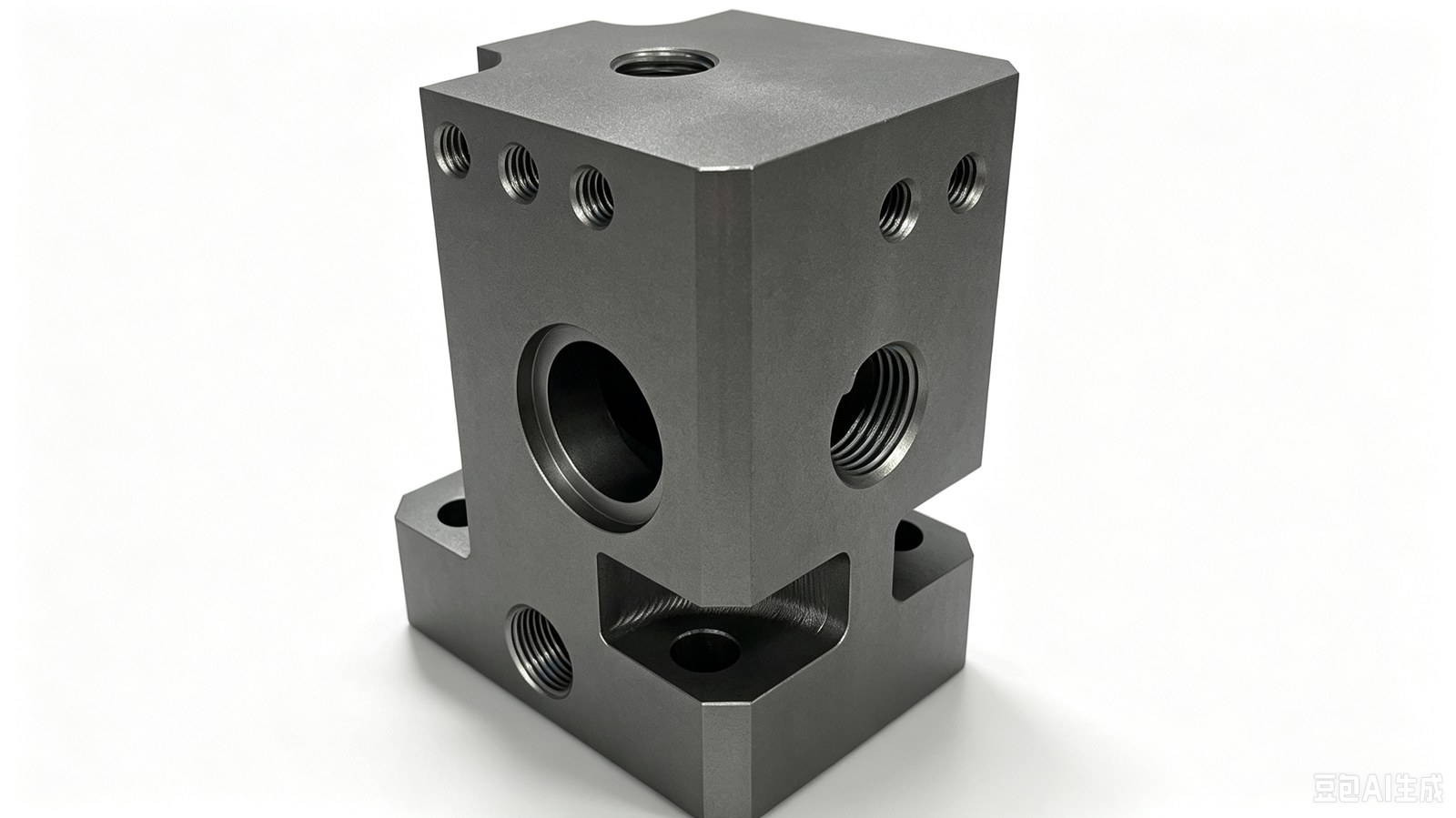
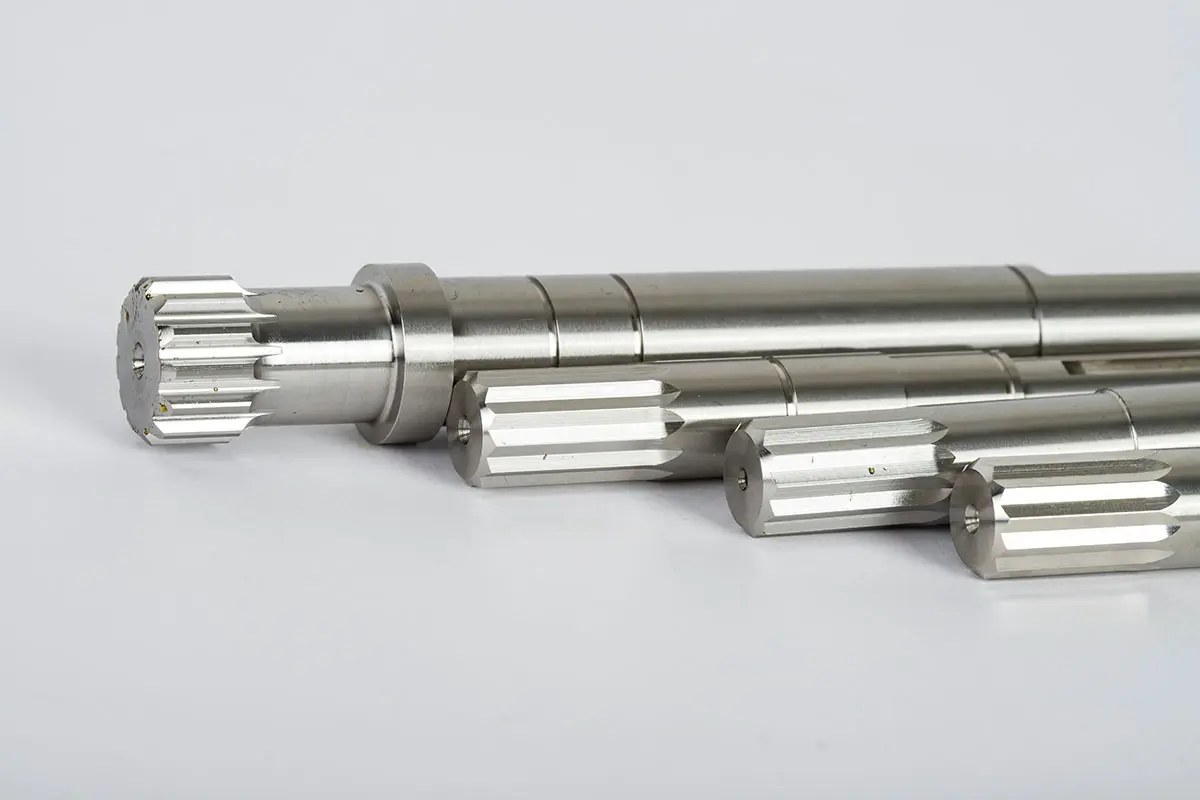
| As Machined (Standard) | CNC | Shows visible tool marks. Cost-effective for functional parts. | Ra 1.6 μm to 3.2 μm (63–125 μin) |
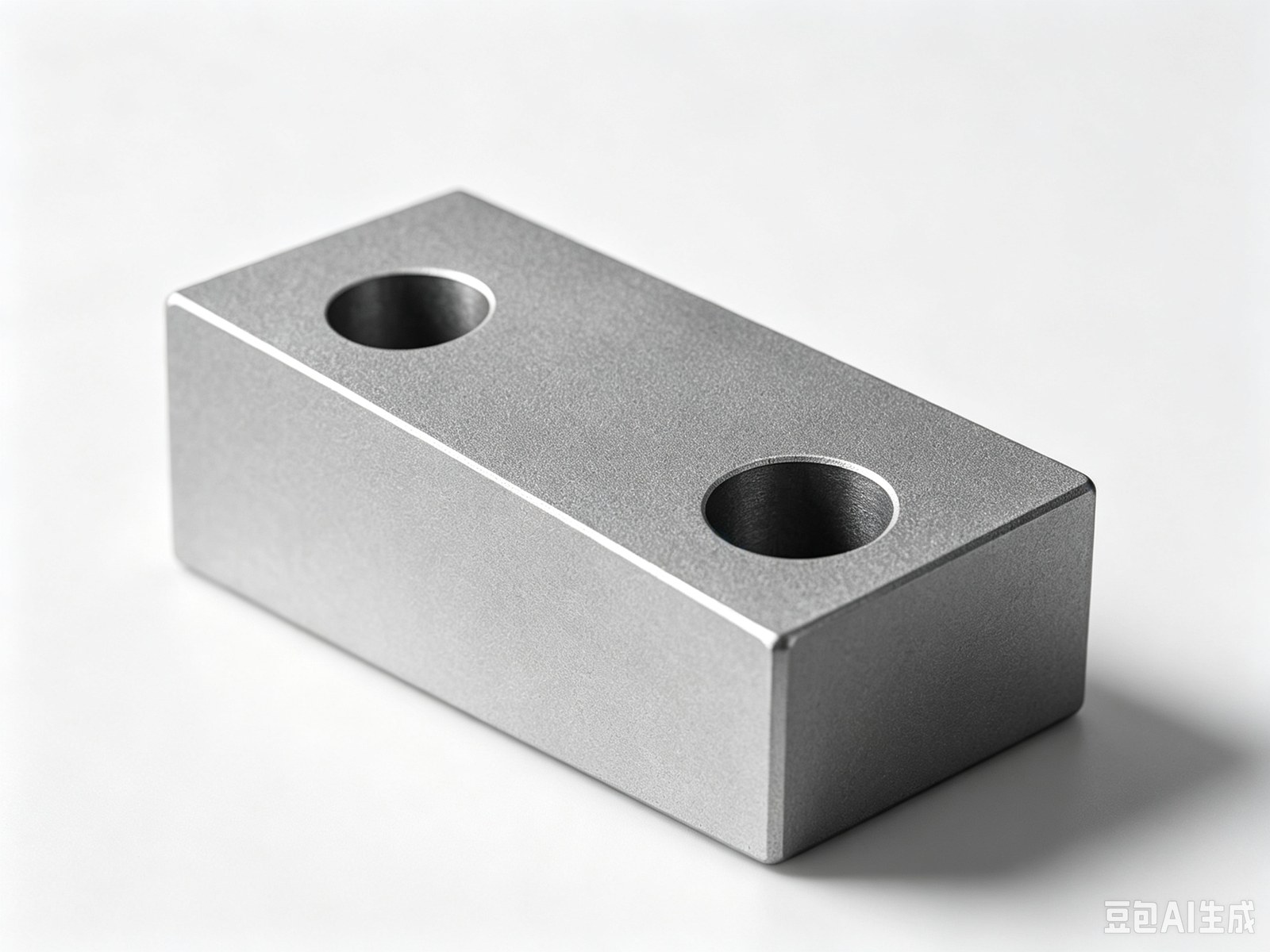
| Bead Blasting | CNC, Sheet Metal | Removes tool marks, creates a uniform matte/satin texture. | Variable based on glass bead size |
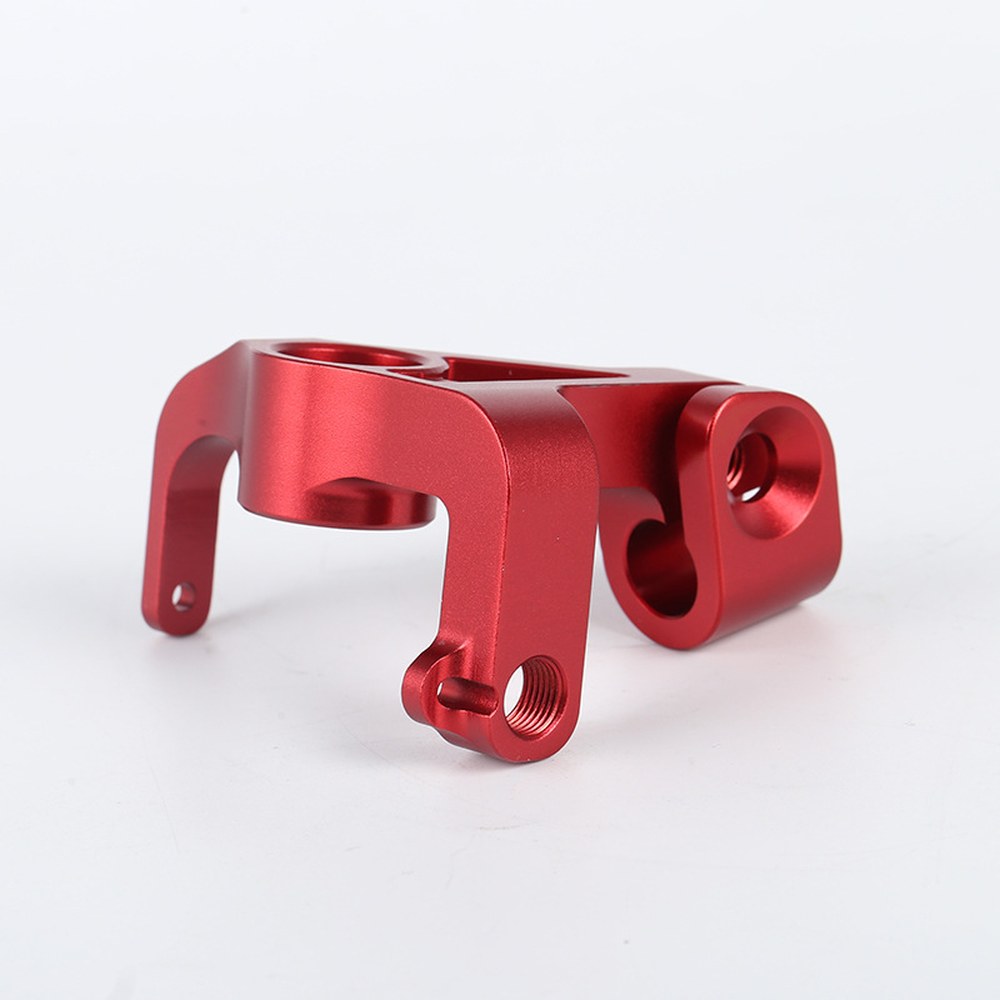
| Anodizing (Type II) | CNC, Sheet Metal (Aluminum) | Adds a corrosion-resistant oxide layer. Available in custom colors (Black, Red, Blue, etc.). | Adds ~0.0002″” – 0.001″” thickness |
| Hard Anodizing (Type III) | CNC (Aluminum) | Produces a much thicker, extremely wear-resistant, and non-conductive layer. | Adds ~0.001″” – 0.002″” thickness |
| Alodine | CNC, Sheet Metal | Preserves precision, promotes corrosion resistance, paint adhesion, and electrical conductivity. | MIL-DTL-5541 Type 1 & Type 2, thickness 0.00001–0.00004 inches, clear color |
| Heat Treatment | CNC | Enhanced mechanical properties, including improved hardness, strength, and durability. | Hardening, tempering, annealing, normalizing; overall hardness 48–62 HRC |
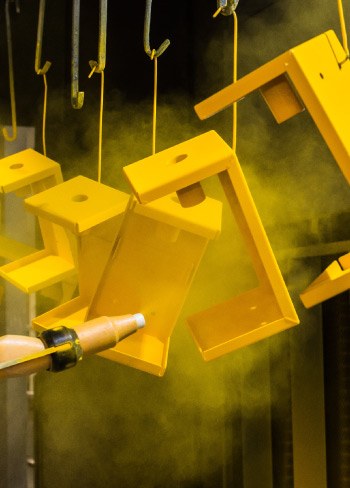
| Powder Coating | Sheet Metal, CNC | Highly durable, impact-resistant colored finish. More eco-friendly than wet paint. | Adds ~0.002″” – 0.006″” thickness |
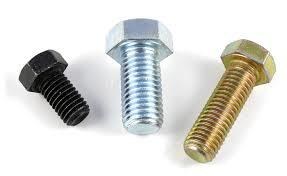
| Zinc Plating | Sheet Metal, CNC (Steel) | Excellent rust prevention. Available in clear, yellow, or black chromate. | RoHS compliant options available |
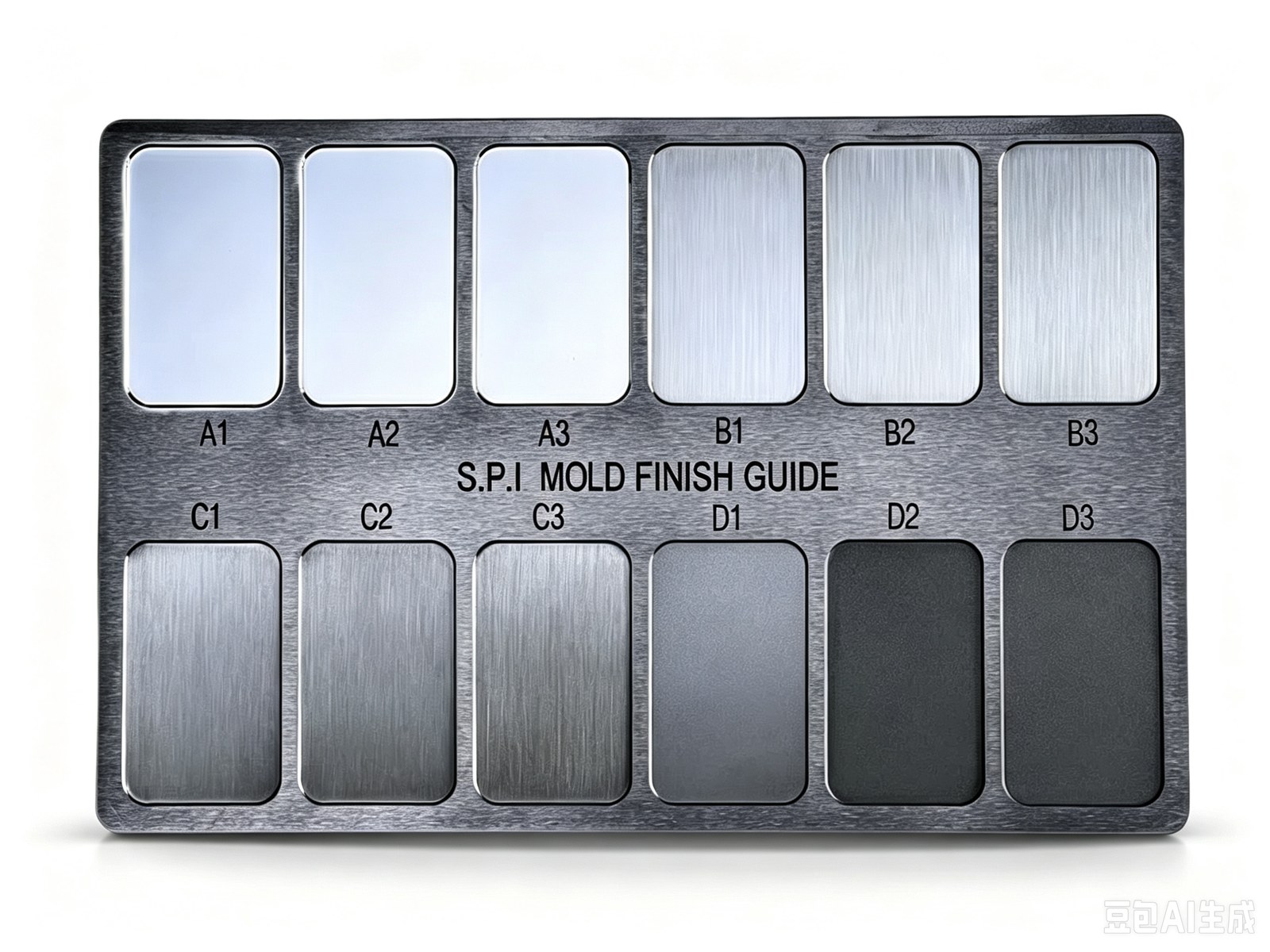
| SPI Finishes | Injection Molding | Industry-standard mold finishes ranging from high gloss to matte. | SPI A-1 (Mirror) to SPI D-3 (Textured) |
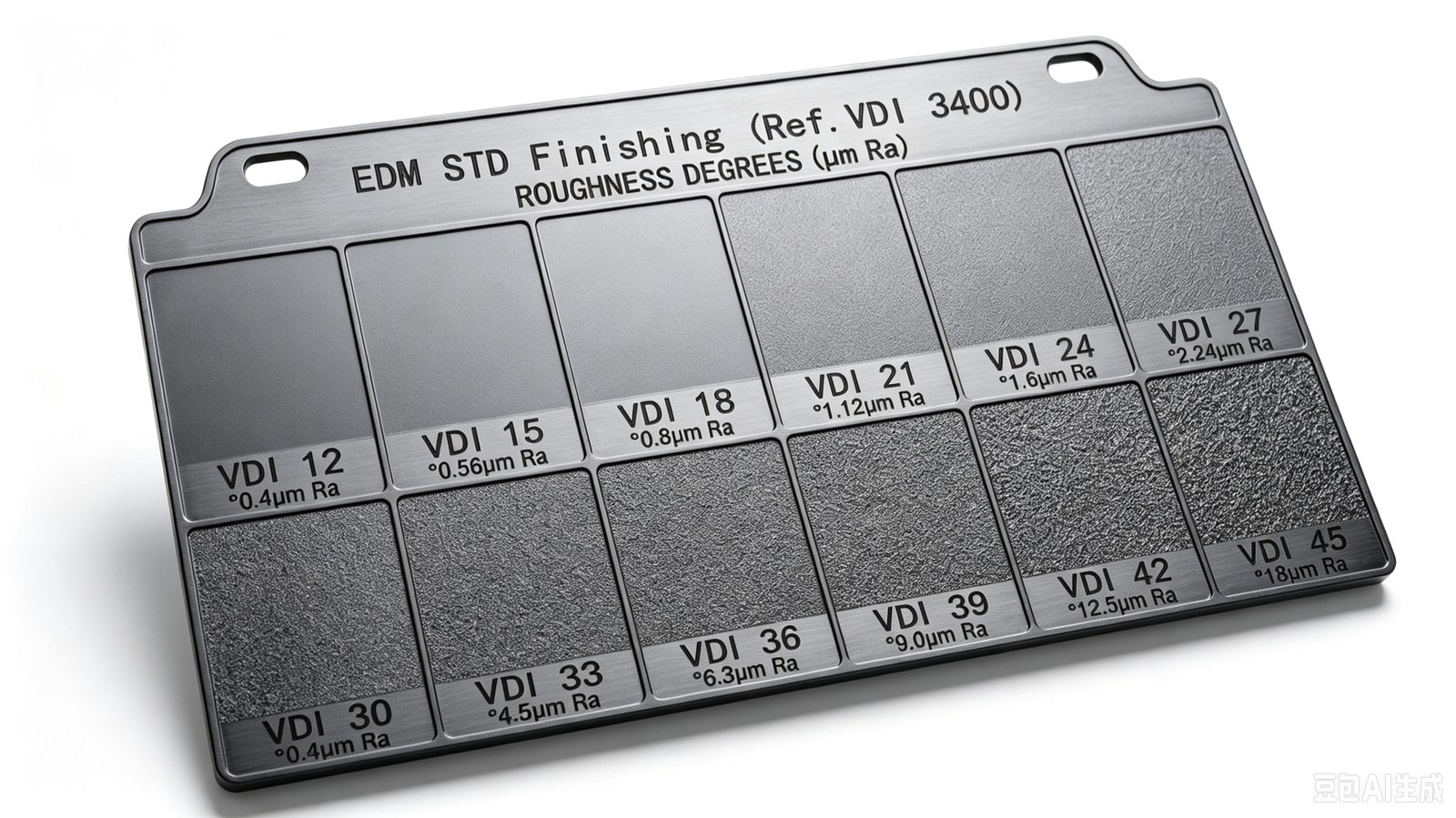
| VDI 3400 Texture | Injection Molding | EDM sparked textures to hide sink marks and provide a tactile grip. | VDI 12 (Fine) to VDI 45 (Rough) |
FAQ
Does anodizing affect the dimensional tolerances of my CNC parts?
Yes. Type II (Standard) anodizing typically adds about 0.0002″” to 0.001″” of thickness per surface, while Type III (Hardcoat) can add up to 0.002″”. If your part has tight tolerances, especially on press-fit holes or threads, please indicate this on your drawing so we can mask those specific areas before anodizing.
What is the difference between Anodizing Type II and III?
Type II is standard anodizing used for corrosion resistance and custom colors. Type III (Hard anodizing) is much thicker and provides extreme wear resistance.
What finish is suitable for outdoor metal parts?
Suitable options may include anodizing, powder coating, passivation, plating, or corrosion-resistant base materials such as stainless steel. The correct choice depends on the environment and material.
What is the difference between anodizing and powder coating?
Anodizing converts the aluminum surface into a protective oxide layer, while powder coating adds a colored protective layer on top of the metal. The best choice depends on appearance, durability, dimensional requirements, and electrical needs.
“
Frequently Asked Questions
We specialize in multi-axis CNC machining (3-axis, 4-axis, 5-axis) and can achieve standard tolerances of ±0.02mm (±0.001″), with tighter tolerances available upon request. We work with a wide range of metals and engineering plastics.
We accept STEP, IGES, X_T, SLDPRT, and DWG/DXF files. 2D drawings with critical dimensions and tolerances are highly recommended alongside 3D files for accurate and efficient quotation.
Lead time depends on part complexity and order quantity. Standard prototypes can be delivered in 5-10 business days. For production runs, typical lead time is 2-4 weeks. Rush services are available for urgent projects.
Yes. We offer a full suite of post-processing services including anodizing, powder coating, plating, polishing, sandblasting, heat treatment, and assembly. We can deliver parts ready for final use.
We implement strict quality control at every stage: from material certification, in-process inspections (IPQC) to final quality checks using tools like CMM, calipers, and micrometers. First Article Inspection (FAI) reports and material certifications are provided with shipments.
Client IP protection is our top priority. We are willing to sign Non-Disclosure Agreements (NDAs) and have secure data management systems in place. Your drawings and designs will never be shared with third parties.
Reliable CNC Machining Solutions
We focus on delivering high-quality CNC machined parts with efficient production to meet your exact requirements.